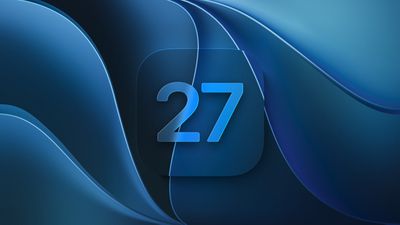
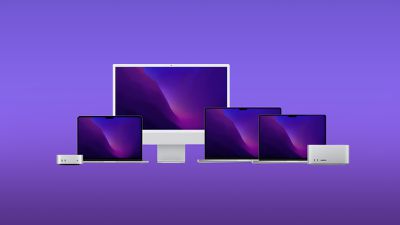


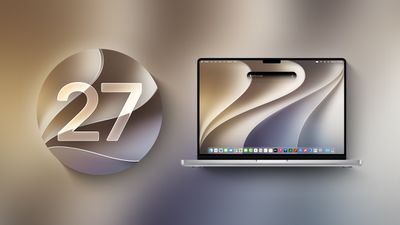
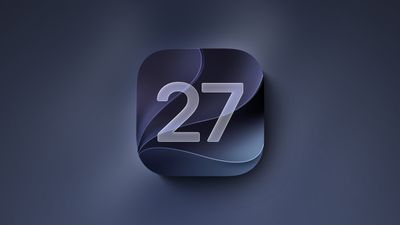






macOS Tahoe will be the last version of macOS that supports Intel-based Macs, with Apple planning to phase out Intel Macs entirely following its transition to Apple silicon.
Apple today reminded developers and users that future versions of macOS will not support Intel machines, and Rosetta 2 support for apps will end after macOS 27.
Starting with macOS Tahoe 26.4, when users launch an app that uses Rosetta 2, there will be a popup letting them know that the app will no longer work when support for Rosetta 2 ends.
Apple says that it will continue to support older, unmaintained gaming titles with Rosetta along with software running Intel binaries in Linux VMs beyond macOS 27. There could also be future security fixes.
Apple first announced plans to stop supporting Intel Macs with new versions of macOS back in June 2025 when it debuted macOS Tahoe at WWDC.
Apple started its transition to Apple silicon with the 2020 launch of the M1 Mac machines, and three years ago, the company completed the transition to Apple silicon with the Apple silicon Mac Pro.
macOS 27 will launch in September 2026, so the end of support for Intel-based Macs is approaching.
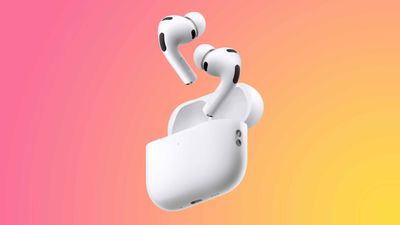
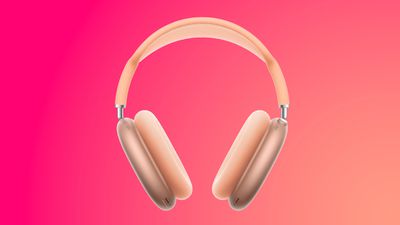
Apple today released new public beta firmware for the AirPods Pro 2, AirPods Pro 3, and AirPods 4. The firmware is limited to developers and public beta testers at the current time, and it has a build number of 8B5034f. Apple first provided this firmware last week, but it was only available to developers at the time.
Apple today started testing iOS 26.4, so it's possible the new firmware includes features related to the iOS 26.4 beta.
With iOS 26, iPadOS 26, and macOS Tahoe, Apple added a beta firmware update installation option that's available from the AirPods settings interface when the AirPods are connected to an iPhone, iPad, or Mac, which facilitates beta testing.
Developers and public beta testers can use the beta option to turn on beta downloads.
Starting with iOS 26.4, Stolen Device Protection will be enabled by default and turned on for all iPhone users. Stolen Device Protection adds extra security in case of physical iPhone theft.
Apple implemented Stolen Device Protection back in 2023 after reports about a new iPhone theft method. Thieves would spy on an intended victim to learn their passcode, then steal the target's iPhone. With the passcode, criminals were able to empty bank accounts, access passwords, and turn off Find My.
Stolen Device Protection requires additional authentication through Face ID or Touch ID to access certain iPhone features like the Passwords app, Lost mode in Find My, Safari purchases, and more. Some features are disabled entirely without authentication, while others have a one-hour security delay.
Actions requiring Face ID or Touch ID to complete:
Viewing/using passwords or passkeys saved in iCloud Keychain
Updating select Apple ID account security settings, including adding or removing a trusted device, trusted phone number, Recovery Key, or Recovery Contact
Changing your iPhone passcode
Adding or removing Face ID or Touch ID
Turning off Find My
Turning off Stolen Device Protection
Prior to iOS 26.4, Stolen Device Protection had to be enabled manually in the Face ID and Passcode section of the Settings app. There is an option to remove security delays when the iPhone is in a familiar location, which allows full functionality at home but protection when out and about.
iOS 26.4 is limited to developers at the current time, but a public beta will be coming in the near future. Apple plans to release the update in the spring.
Apple is testing secure messaging between Android and iOS devices with iOS 26.4, iPadOS 26.4, and macOS Tahoe 26.4. The updates introduce end-to-end encryption (E2EE) for RCS messages, a security feature that is not currently available for cross-platform messaging.
Apple has been working with the GSM Association to implement E2EE for RCS messages. iMessage, the messaging protocol for sending texts between iPhones, has long supported end-to-end encryption. RCS messages between Android devices have also featured E2EE, but there was no full encryption for Android to iPhone (or vice versa) communications. With the addition of E2EE for RCS, messages between iPhone users and Android users will eventually be just as secure as iMessage.
Developers running the iOS 26.4 beta will see a new switch in the Settings app that's turned on by default. The toggle enables testing end-to-end encrypted RCS messaging for supported devices and carriers. Most carriers that support RCS will also support RCS end-to-end encryption, according to Apple. During the first beta, RCS encryption is available for testing Apple devices only when iMessage is disabled.
iPhone users who have the beta installed will see a lock icon in RCS chats, with the icon indicating that E2EE is enabled. The lock icon will also now appear in iMessage chats.
RCS End-to-end encryption for Apple devices will roll out to beta users gradually, so not everyone will have access right away. Encryption will become available over time, and you can tell if it's enabled through the lock icon.
Cross-platform testing between iPhone users and Android users will begin at a later date.
E2EE for RCS will require Apple to update to RCS Universal Profile 3.0, which the GSMA published with Apple's input. Apple currently supports RCS Universal Profile 2.4. RCS Universal Profile 3.0 will also add features for editing text messages, deleting text messages, and replying to specific messages inline during cross-platform conversations.
Apple released the first betas of iOS 26.4, iPadOS 26.4, and macOS Tahoe 26.4 today, with the updates available for developers. Apple plans to launch the updates in the spring, but while E2EE is in testing, the full functionality is not expected until a later iOS 26 update.
With iOS 26.4, Apple is adding video podcast capabilities to the Apple Podcasts app. The feature uses HTTP Live Streaming (HLS) to provide podcast creators with "unprecedented control and monetization opportunities" while also providing a high-quality viewing experience.
"Twenty years ago, Apple helped take podcasting mainstream by adding podcasts to iTunes, and more than a decade ago, we introduced the dedicated Apple Podcasts app," said Eddy Cue, Apple's senior vice president of Services. "Today marks a defining milestone in that journey. By bringing a category-leading video experience to Apple Podcasts, we're putting creators in full control of their content and how they build their businesses, while making it easier than ever for audiences to listen to or watch podcasts."
The iOS 26.4 Podcasts app will let users switch between watching and listening to shows, with videos able to be downloaded for offline viewing. HLS ensures smooth playback regardless of network connection, so videos will work on Wi-Fi or cellular. Apple says that the video episodes will integrate with existing Apple Podcasts features, including personalized recommendations and editorial suggestions in the New and Category sections.
Creators are able to distribute through participating hosting providers and ad networks, with Acast, ART19, Omny Studio, and SiriusXM brands supporting HLS video at launch. Creators will be able to dynamically insert video ads for broader video advertising opportunities.
The Podcasts app previously supported video podcasts via RSS, but the iOS 26.4 feature is a streamlined, native option for creating and monetizing video podcasts.
Podcasters can find more information on the new video feature through Apple's podcasts website. HLS video is available for testing today in the beta versions of iOS 26.4, iPadOS 26.4, and visionOS 26.4. iOS 26.4 will be released in the spring.
Apple today seeded the first betas of upcoming iOS 26.4 and iPadOS 26.4 updates to developers for testing purposes, with the software coming less than a week after Apple released iOS 26.3 and iPadOS 26.3.
Registered developers can download the betas from the Settings app on the iPhone or iPad by going to the General section and selecting Software Update.
iOS 26.4 and iPadOS 26.4 could be significant updates that will introduce several new features. We were counting on the betas to include the smarter, more personalized version of Siri that Apple first debuted at WWDC 2024, but Apple has apparently run into issues that could see some or all Siri features delayed until iOS 26.5 or iOS 27.
We could still get some new Siri capabilities, such as tools for generating images and searching the web.
The update is also expected to include new emoji characters, such as trombone, treasure chest, orca, landslide, and Bigfoot.
iOS 26.4 and iPadOS 26.4 are limited to developers at the current time, but Apple will likely release a public beta in the next week or two.
Apple today provided the first beta of an upcoming macOS Tahoe 26.4 update to developers for testing purposes, with the update coming just a few days after Apple launched macOS Tahoe 26.3.
Developers can download the macOS Tahoe 26.4 update by opening up the System Settings app, selecting the General category, and then choosing Software Update. Beta Updates will need to be enabled, and a free developer account is required.
macOS Tahoe 26.4 could introduce some new Siri features, though at least some of the capabilities that we were expecting have been delayed. The update is also expected to introduce new emoji characters.
The beta is available to developers right now, but a public beta is expected in the next week or two.
Apple today provided developers with the first betas of upcoming watchOS 26.4, tvOS 26.4, and visionOS 26.4 betas for testing purposes. The software comes a few days after Apple launched the 26.3 versions of each platform.
The software updates are available through the Settings app on each device, and because these are developer betas, a free developer account is required.
The updates are expected to introduce new emoji characters, plus there could be new Siri capabilities, but we don't know exactly what's in the software as of yet.
Apple will likely provide public beta testers with access to the tvOS 26.4 and watchOS 26.4 betas later this month, but visionOS 26.4 will remain limited to developers. The software updates will probably launch in mid-to-late March.
Apple's iPad Pro is likely to be left for years without a major update, according to a reliable leaker.
The Weibo-based leaker, known as "Instant Digital," says that the iPad Pro will not have a major update for a prolonged period of time. The cost of the OLED panel now used in the device is unlikely to come down in price and the last major redesign apparently did not significantly stimulate sales growth.
While Apple may maintain a regular iteration cycle with the device, it apparently has no intention of pursuing significant upgrades such as ultra-slim borders around the display, the likes of which are available on rival high-end tablets.
In 2024, Apple introduced the first major redesign of the device since 2018. Apple added the M5 chip to it in October 2025, along with some minor connectivity upgrades.
The iPad Pro is likely to gain the M6 chip and iPhone 17 Pro-style vapor chamber cooling at some point toward the end of 2026 or in 2027, but there have been no other rumors about the future of the product line.
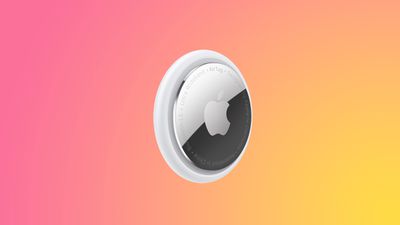
Apple's first-generation AirTag 4-Pack has dropped to $64.00 this week on Amazon, down from the original price of $99.00. Free shipping options have a delivery estimate around February 21, while Prime members should be able to get it delivered a few days sooner.
Note: MacRumors is an affiliate partner with Amazon. When you click a link and make a purchase, we may receive a small payment, which helps us keep the site running.
Overall, this is a solid second-best price on the AirTag 4-pack that's within $1 of the Amazon all-time low price. Amazon's stock on the first generation AirTag 1-Pack has begun dwindling now that the new second generation models are here, so anyone interested in this low price on the first gen 4-Pack should pick it up while it's still around.
Apple just debuted the all-new AirTag, featuring longer range for tracking items and a louder speaker. We haven't tracked any discounts on the new second generation models as of yet, so anyone who wants to save money should keep looking into the original models.
If you're on the hunt for more discounts, be sure to visit our Apple Deals roundup where we recap the best Apple-related bargains of the past week.
Deals Newsletter
Interested in hearing more about the best deals you can find in 2026? Sign up for our Deals Newsletter and we'll keep you updated so you don't miss the biggest deals of the season!
Apple today announced a "special Apple Experience" in New York, London, and Shanghai, taking place on March 4, 2026 at 9:00am ET.
Apple invited select members of the media to the event in three major cities around the world. It is simply described as a "special Apple Experience," and there is no further information about what it may entail. The invitation features a 3D Apple logo design composed of yellow, green, and blue discs.
It is notable that Apple is specifically using the word "experience," rather than "event." Unlike a full live-streamed event from Apple Park, the March 4 event in other cities is likely to be smaller in scale.
The announcement of several new Apple products is believed to be imminent, including the iPhone 17e, MacBook Pro with M5 Pro and M5 Max chips, eighth-generation, iPad Air, 12th-generation iPad, and more. A refreshed Studio Display and an all-new low-cost MacBook with the A18 chip are also possibilities, along with a new Apple TV and HomePod mini.
This "Apple Experience" could involve Apple's announcement of some of these products and provide an opportunity for the media to get hands-on with the new devices around the world.
The Apple Experience commences at 9:00am ET on March 4, 2026.
Apple's iOS 27 update will prioritize cleaning up the operating system's internals, with engineers making changes that could result in better battery life, according to Bloomberg's Mark Gurman.
The effort is said to be similar to what Apple did with its Snow Leopard Mac update years ago, and will involve removing old code, rewriting existing features, and subtly upgrading apps to improve their performance.
The result should hopefully be a "snappier, more responsive" OS, says Gurman. Apple is also reportedly planning some interface tweaks, but nothing as dramatic as the Liquid Glass overhaul introduced with iOS 26, which will likely comfort some users.
Code-named "Rave" internally, iOS 27 will also include efficiency improvements that Apple hopes will translate into tangible battery gains for users, says Gurman. However, it's unclear whether Apple would market those improvements or simply let users discover them on their own.
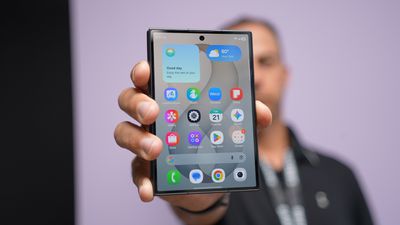
Gurman says getting the software into good shape is especially important as Apple prepares to launch new device categories, including a touchscreen MacBook Pro and its first foldable iPhone, both of which are expected in the second half of 2026.
The cleanup effort comes alongside Apple's other major iOS 27 priority of improving its AI capabilities. The revamped, chatbot-style Siri that Apple announced in June 2024 has been repeatedly delayed, and some of its features are now expected to arrive in iOS 27 rather than iOS 26, reports Gurman.
Apple's upcoming iPhone 18 Pro and iPhone 18 Pro Max models "won't be a big update," according to Bloomberg's Mark Gurman.
In the latest edition of his "Power On" newsletter, Gurman said that the iPhone 18 Pro models will "represent minor tweaks from last year's iPhone 17 Pro and 17 Pro Max." He compared the upgrade to Apple's past practice of appending the letter "S" to its more minor generational iPhone releases.
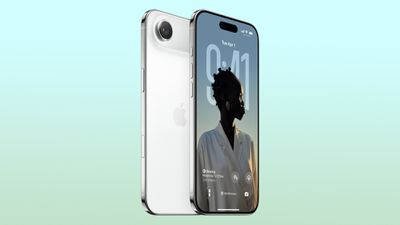
There will still apparently be several important internal changes, such as a new camera system with a variable aperture, the A20 chip, and the custom C2 modem. Nevertheless, the new Pro models likely won't be "the star of Apple's iPhone launch this fall," with the company's first foldable claiming the spotlight instead.
Tesla is still planning to bring Apple's CarPlay to its vehicles, but a compatibility issue between Apple Maps and Tesla's own navigation software has held things up, according to Bloomberg's Mark Gurman.
Writing in his latest Power On newsletter, Gurman says that Tesla found during testing that turn-by-turn directions from its maps app didn't sync up properly with Apple Maps during autonomous driving. That could be confusing for drivers, who could potentially have both navigation apps open side by side, since CarPlay is expected to run in a window within Tesla's existing software interface.
Gurman says that Tesla asked Apple to make engineering changes to Maps to solve the problem. Apple reportedly agreed, and shipped a fix in an iOS 26 update, but adoption of the new software has been slower than usual. Apple last week said that iOS 26 is now running on 74% of iPhones released in the last four years, just behind the 76% that iOS 18 had reached by January 2025.
Tesla had originally aimed to add CarPlay by the end of 2025, according to Gurman. It's quite the reversal for Tesla and its CEO Elon Musk, who have long ignored customer requests to implement CarPlay. But the feature is apparently seen as a potential sales driver – Tesla's infotainment system is widely considered the best in the business, but CarPlay is still a must-have for a lot of car buyers.
Apple has tested a range of playful color options for its upcoming low-cost MacBook, going well beyond the muted tones available on its current laptop lineup, according to Bloomberg's Mark Gurman.
Writing in his latest Power On newsletter, Gurman says the colors tested so far include light yellow, light green, blue, pink, classic silver, and dark gray, although he says it's unlikely all of them will ship. The palette would make the budget MacBook the most colorful laptop Apple has offered since the iBook G3 era in the late 90s, which included Tangerine, Blueberry, Indigo, Graphite, and Key Lime.
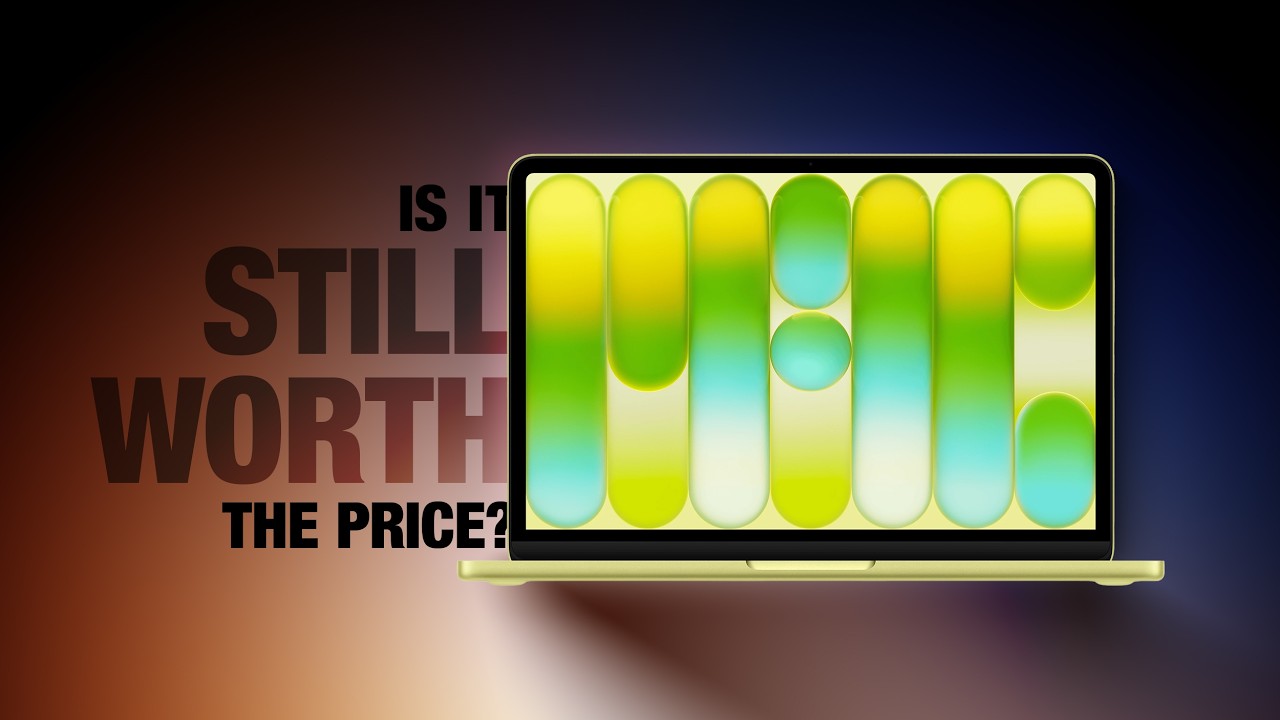
As previously reported by Apple analyst Ming-Chi Kuo, the low-cost machine will retail for well under $1,000 and run an iPhone chip – potentially the A18 Pro – rather than an M-series processor. It will feature a slightly-under-13-inch display and an aluminum chassis, which is being built using a new, faster manufacturing process that Apple developed to keep costs down, according to Gurman.
Apple is trying to compete with Chromebooks, targeting the budget MacBook at students and enterprise users, and is reportedly preparing for a launch event as early as March.
Apple is set to bring built-in privacy screen technology to future MacBooks within the next three years, according to a report from market research firm Omdia (via Ice Universe).
The technology Apple is planning to adopt restricts off-axis viewing angles so only someone sitting directly in front of the display can see its contents, while onlookers to the side see a darkened or obscured image. It's similar to the concept behind Samsung's upcoming privacy display feature, which is set to debut on the upcoming Galaxy S26 Ultra.
Samsung says it took over five years to develop the feature, which works at the pixel level, combining Flex Magic Pixel OLED hardware with software controls. Rather than applying a blanket filter, users can customize when the privacy mode kicks in – for specific apps, password entry, or notification pop-ups – and adjust the intensity of the viewing angle restriction. Samsung describes it as an extension of its Knox security platform, calling it "privacy you can see and security you can feel."
Going on patents, Apple has already explored a similar idea – in 2023, the company filed two aimed at preventing "shoulder surfing." One describes a privacy film for curved displays like iPhones that limits light emission to a narrow forward angle, while another outlines adjustable viewing-angle technology for flat screens like Macs uses louvres or liquid crystal elements to restrict side-on visibility.
The Omdia report suggests that MacBooks will adopt similar technology by 2029, a timeline that tallies with broader expectations that Apple will transition its MacBook lineup to Samsung-supplied OLED panels over the next few years. The MacBook Pro is widely expected to adopt OLED displays later this year or in early 2027, while the MacBook Air is believed to be next to follow suit.
Omdia's projections are based on analyst forecasting rather than insider knowledge, and Apple's patents are no guarantee of a shipping product. However, with Samsung about to debut the technology this year, the pressure is now on Apple to follow.
Earlier this month, Anker debuted its new Prime 3-in-1 Wireless Charging Station with a launch discount on Amazon. If ordered this week, you can clip the on-page coupon on Amazon to get the accessory for $119.99, down from $149.99.
Note: MacRumors is an affiliate partner with Amazon. When you click a link and make a purchase, we may receive a small payment, which helps us keep the site running.
The Prime 3-in-1 Wireless Charging Station features Qi2.2 support, which lets a compatible MagSafe iPhone charge at up to 25W. It's the same speed as Apple's MagSafe charger, and it is 10W faster than the standard Qi2 MagSafe chargers. You can also simultaneously charge an Apple Watch and AirPods with the device.
Note: You won't see the deal price until checkout.
There are plenty of other Anker discounts happening on Amazon this week, including the Prime 14-in-1 Thunderbolt 5 Dock back at its all-time low price of $339.99, down from $399.99. You can find this accessory and more on sale in the lists below, and note that as of writing only the new Prime 3-in-1 Wireless Charging Station requires an on-page coupon.
If you're on the hunt for more discounts, be sure to visit our Apple Deals roundup where we recap the best Apple-related bargains of the past week.
Deals Newsletter
Interested in hearing more about the best deals you can find in 2026? Sign up for our Deals Newsletter and we'll keep you updated so you don't miss the biggest deals of the season!
Apple continued to keep users waiting for new hardware this week, as we've yet to see any of the significant product launches we're expecting to see in the first few months of the year.
News on the software side was a bit of a mixed bag this week, with iOS 26.3 and other updates finally seeing their public releases, though they mainly focus on security fixes with only a few user-facing changes. And the highly anticipated iOS 26.4 coming up next might not arrive with everything many users have been hoping for, so read on below for all the details on these stories and more!
Top Stories
iOS 26.3 Features: Everything New in iOS 26.3
After almost two months of beta testing, Apple finally released iOS 26.3 and related updates to the public this week.
As is common for x.3 updates, the changes in these are relatively modest, though there are a number of security improvements and a few new features like a tool to make it easier to transfer from an iPhone to an Android phone, some changes to Weather wallpapers, and more.
New Siri Runs Into Problems, Features Could Be Pushed to iOS 26.5 and iOS 27
With iOS 26.3 out the door, the first beta of iOS 26.4 should be arriving soon, but it might come with a catch. While we've been expecting iOS 26.4 to include significant improvements to Siri with a new, more personalized experience, it now sounds like we might not be getting that until iOS 26.5 or even iOS 27.
According to Bloomberg's Mark Gurman, Apple has "run into snags" in just the past few weeks as it has been testing the new Siri, and recent internal betas are suggesting Apple is moving many of the new capabilities from iOS 26.4 to iOS 26.5.
Apple Stores See iPhone 16e, iPad Air Shortages as New Models Near
The new iPhone 17e in particular has been viewed as "imminent," and it should bring several improvements over the iPhone 16e, including support for MagSafe charging.
Why You Shouldn't Buy the Next MacBook Pro
While the entry-level MacBook Pro was updated with the M5 chip last October, we're still waiting for higher-end machines with M5 Pro and M5 Max chips.
Those new models should be arriving shortly, but if you're interested in cutting-edge technology, you might want to give those machines a skip. The M5 Pro and M5 Max models will largely just be speed-bumped versions of the current generation, but there's a major revamp coming as soon as later this year with an all-new design, OLED displays with touchscreen capabilities, and more.
Apple Expected to Launch These 10+ Products Over the Coming Months
Many of these are iterative updates to existing products, but we're expecting a few all-new ones in the mix as well. Potential delays to the revamped Siri may impact timing of some of them including the new smart home hub and ecosystem, so we'll have to wait to see how that timing plays out.
iPhone 18 Pro Max Rumored to Deliver Next-Level Battery Life
Apple is reportedly also working to implement a couple of camera improvements on this year's iPhone 18 Pro and Pro Max, including a variable aperture on the main camera and a wider fixed aperture on the telephoto camera.
These potential improvements come as Apple is reportedly seeking to hold the line on pricing despite significant cost increases for certain key components.
MacRumors Newsletter
Each week, we publish an email newsletter like this highlighting the top Apple stories, making it a great way to get a bite-sized recap of the week hitting all of the major topics we've covered and tying together related stories for a big-picture view.