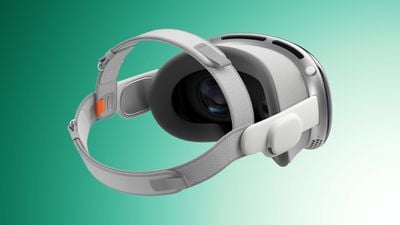
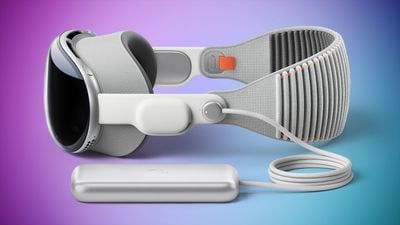
Apple is working on a more affordable version of its spatial computing headset in the form of a $2,000 "Apple Vision" device that could debut as early as next year, according to Bloomberg's Mark Gurman.
The new headset would be a lower-end counterpart to the $3,500 Apple Vision Pro, which was released in February. Apple reportedly expects this more affordable model to sell at least twice as many units as the Vision Pro, though "that's not saying much," adds Gurman. Apple will struggle to hit 500,000 Vision Pro sales this year, according to market tracker IDC.
To achieve the lower price point, the Apple Vision would likely use a less powerful processor and cheaper materials than aluminum and glass. The device is also expected to omit certain inessential features, such as the EyeSight display that shows the user's eyes on the outside of the headset. Apple could also use larger, lower resolution displays for the more affordable version of the Vision Pro headset, according to previous reports.
Apple's Vision Products Group is reportedly prioritizing the development of this lower-cost option, recognizing that the Vision Pro's high price and ergonomic issues have limited its appeal. The team reportedly aims to create a device with broader market potential while still delivering a compelling spatial computing experience.
Gurman's report also mentions that Apple is working on a second-generation Vision Pro, slated for release in 2026. This update would primarily feature a faster processor, with few other hardware changes expected. Apple is also said to also be working on a smart glasses project alongside the Apple Vision and Apple Vision Pro headsets.
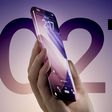
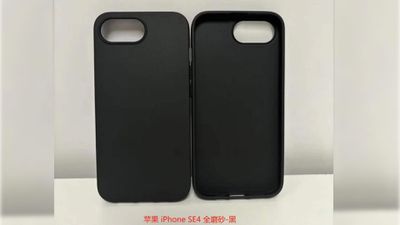
Serial leaker Sonny Dickson has shared an image on social media purporting to show a case designed for Apple's unannounced iPhone SE 4. The case aligns with most rumors about the device, expected to launch in the spring, but there is one difference.
Rumors have suggested that the iPhone SE 4 will have a design similar to the iPhone 14, featuring an all-display design with Face ID instead of Touch ID, a 6.06-inch display, OLED display technology instead of LCD, a USB-C port, a single 48-megapixel rear camera located in a horizontal oblong bump, an Apple-designed 5G modem, 8GB RAM, a notch, and perhaps a multi-purpose Action button to replace the mute switch.
Most of the rumored design changes align with what can be seen in the image. However, if you look closely, there's a cut-out on the side above the location of the volume controls that appears to be an opening for a physical mute/silent switch. It's possible that the case manufacturer has left a cutout simply because they don't know if the button will be present or not. But given that Apple suppliers are expected to begin ramping up mass production of the device this month, it could be that Apple has chosen not to add an Action button, despite the fact that all iPhone 16 models inherited the button from 2023's iPhone 15 Pro models.
Some users may consider the lack of a programmable Action button a deal breaker, but we're betting most iPhone SE buyers wouldn't care. In our own online poll conducted earlier this year, half of iPhone 15 Pro users who participated said they forgot the Action button was even there, while many said they had it set to function essentially as a mute/silent switch replacement. The results suggest the button is popular with a more niche cohort of power users (i.e., not the kind of customers most likely to be interested in a ~$500 iPhone).
There's a small possibility that the more affordable iPhone SE 4 could be released ahead of the Lunar New Year in January 2025. However, all three previous iPhone SE models were announced in March over the years, so a spring 2025 release seems most likely.
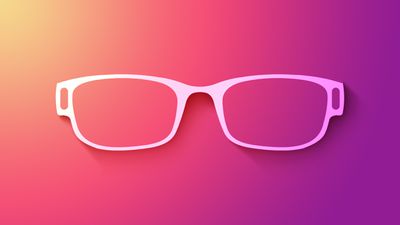
Apple is working on smart glasses and AirPods with built-in cameras for a potential release in 2027, according to Bloomberg's Mark Gurman. The devices are said to be part of Apple's efforts to expand its augmented reality product lineup beyond the Vision Pro headset with something that has wider appeal.
The push for new AR products comes as the Vision Pro faces challenges in the market. Many users find the $3,500 headset too heavy for extended use, expensive, and prone to overheating, relegating it to niche status. Interest in the device has reportedly waned since its launch, with sales falling short of Apple's expectations.
In his latest "Power On" newsletter, Gurman reports that Apple's Vision Products Group is now looking beyond the Vision Pro and considering launching smart glasses comparable to Meta's Ray-Ban collaboration. The smart glasses and camera-equipped AirPods are intended to make use of the billions of dollars invested in the Vision Pro's visual intelligence capabilities. This technology allows devices to analyze their surroundings and provide relevant information to users.
A software update coming later this year will bring a similar feature to iPhone 16 models: Users will be able to open the Camera app and point it at an object to get information about that object with a click and hold gesture. Pointing it at a restaurant, for example, will bring up hours and ratings, while pointing it at a plant will identify the plant. Using visual control with something that has a date, such as a flyer, will add the date to the Calendar app.
Apple's smart glasses and AirPods with cameras are still in the planning stages, but are said to represent Apple's strategy to bring augmented reality features to more accessible form factors. The company is reportedly concerned about its current position in the AR market, with Meta already offering smart glasses at a lower price point.
Gurman also mentioned Apple's plans for nearer-term Vision Pro iterations. A lower-cost version of the headset, priced around $2,000, could arrive as early as next year, while a second-generation Vision Pro with an upgraded processor is reportedly slated for 2026.
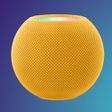
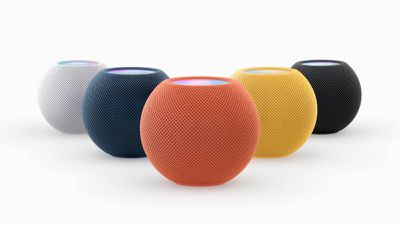
Apple announced the HomePod mini smart speaker four years ago today at its "Hi, Speed" special event.
The low-cost smart speaker was announced alongside the iPhone 12 mini, iPhone 12, iPhone 12 Pro, and iPhone 12 Pro Max in October 2020. The HomePod mini is Apple's first compact smart speaker, offering high-quality audio, Siri voice control, and smart home integration via HomeKit.
Priced at $99, it stands in contrast to the full-size HomePod, which sells for $299 and is focused on delivering bigger, better sound thanks to more advanced audio hardware such as multiple tweeters and woofers. While both models share Siri integration and smart home capabilities, the HomePod mini is considerably smaller, powered by the Apple S5 chip, lacks spatial awareness, and comes in a wider range of color options.
In October 2021, Apple introduced three new colors—Blue, Yellow, and Orange—to its lineup, adding vibrancy to the previously monochrome options of Space Gray and White. audioOS 14.3, released shortly after its launch, added support for 18W power adapters. With audioOS 16.3, Apple activated previously undisclosed temperature and humidity sensors within the HomePod mini. Although these sensors had been identified by teardowns shortly after launch, Apple waited to enable them alongside the release of the second-generation full-sized HomePod. On July 15, 2024, Apple refreshed the HomePod mini yet again by discontinuing the Space Gray variant and replacing it with a Midnight color option to match the full-size HomePod.
Despite its age, the HomePod mini remains on sale with the same hardware it debuted with four years ago. However, Apple is believed to be working on a second-generation version that could debut in the near future.
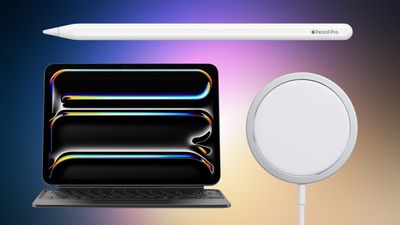
Amazon this weekend has introduced a new record low price for the Apple Pencil Pro, available for $89.99, down from $129.00. Alongside this deal, we're tracking a collection of Apple accessory discounts, including great deals on the Magic Keyboard and MagSafe Charger.
Note: MacRumors is an affiliate partner with some of these vendors. When you click a link and make a purchase, we may receive a small payment, which helps us keep the site running.
Apple Pencil
In regards to the Apple Pencil Pro, this sale beats the Prime Day price we tracked last week by about $10. Amazon also has a new low price on the USB-C Apple Pencil, available for $65.00, down from $79.00.
Moving to the new 2024 Magic Keyboards, you can get the 11-inch model in Black for $269.99, down from $299.00. This is an all-time low price on the accessory and it has an estimated October 16 delivery date on Amazon.
Amazon also has the 13-inch M4 iPad Pro Magic Keyboard on sale, available for $299.99 in Black, down from $349.00. This is another new record low price on the Magic Keyboard, and you'll find similar delivery estimates of mid October for this model.
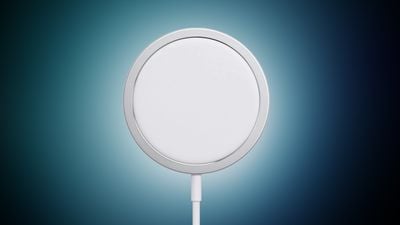
Amazon introduced a few deals on Apple's new lineup of MagSafe Chargers during Prime Day, and these deals have only gotten better. This weekend, you can get the 1-meter model for $29.00 and 2-meter model for $39.00, both $10 off and all-time low prices.
The new MagSafe Chargers provide overall faster charging speeds with compatible iPhone models. When paired with a 30W power adapter, iPhone 16 models can charge at up to 25W wirelessly over MagSafe, which is 10W faster than a regular non-MagSafe Qi2 wireless charger.
If you're on the hunt for more discounts, be sure to visit our Apple Deals roundup where we recap the best Apple-related bargains of the past week.
Best Buy is hosting a new weekend sale that includes a few solid deals on iPads and MacBook Air. There's also plenty of non-Apple discounts during the event, with big savings on TVs, smart home products, video games, and more.
Note: MacRumors is an affiliate partner with Best Buy. When you click a link and make a purchase, we may receive a small payment, which helps us keep the site running.
Apple
The best Apple-related deals during the Best Buy sale include the 9th generation iPad at $199.00 ($130 off) and 10th generation iPad at $299.00 ($50 off). You can also find an all-time low price on the M2 13-inch MacBook Air for $749.00 ($250 off), and none of these deals require a Best Buy membership to see the final sale prices.
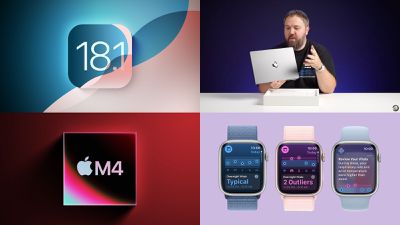
Things are firming up for a big Halloween week for Apple, with the company's next operating system updates reportedly coming early in the week and hardware launches coming a few days later.
Ahead of those hardware launches, we've recently seen what appears to be one of the most significant physical product leaks in years, while some of the new features in Apple's recent software updates have gained attention for their utility, so read on below for all the details on these stories and more!
Apple Plans to Release iOS 18.1 With Apple Intelligence on October 28
iOS 18.1 has been in beta testing since before iOS 18.0 was released, as Apple has been working hard on refining the first Apple Intelligence features that will be included in the update, and it appears we now have a release date for iOS 18.1 and related updates: Monday, October 28.
Apple Potentially Facing Worst Leak Since iPhone 4 Was Left in a Bar
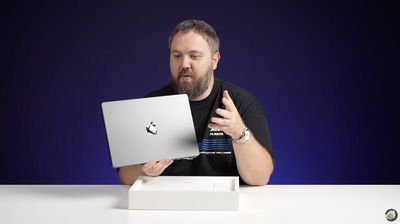
Over the past week or two, there have been growing claims of leaked units of the upcoming M4 MacBook Pro, and despite the box depicting the same wallpaper as on the current models, it's appearing increasingly likely that these leaked units are legitimate.
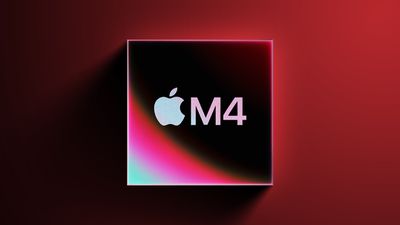
Following early blurry photos of the claimed box for one of the machines, a Russian YouTube channel has shared an unboxing video for the M4 MacBook Pro, revealing a number of improved specs compared to the current M3-based model. Aside from apparent faster speeds, RAM and port improvements, and the Space Black color option potentially trickling down to the base M4 version of the machine, it appears the machine may also support two external displays in addition to the internal display for the first time on a base M-series chip.
Gurman: Apple to Launch First M4 Macs and Potentially iPad Mini 7 on November 1
So when can we expect that M4 MacBook Pro and other new hardware to launch? Bloomberg's Mark Gurman says at least some of the rumored products are scheduled to launch on Friday, November 1, potentially following an introduction earlier that week.
In addition to a full range of 14-inch and 16-inch MacBook Pro models variously configured with M4, M4 Pro, and M4 Max chips, we're also expecting a redesigned Mac mini with M4 and M4 Pro chip options, an M4 iMac, and a seventh-generation iPad mini, though it's not confirmed if all of these will be available simultaneously on November 1.
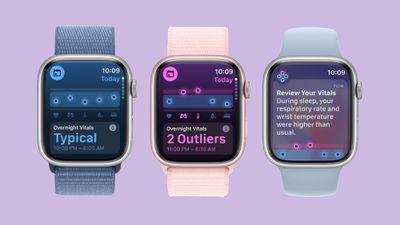
Apple Watch Users Report Vitals App Detecting Illness Before Symptoms Appear
The Vitals app brings together a number of key health metrics that are measured during sleep, and it can notify when one or more of these readings are outliers compared to your typical ranges, which can be a sign that you are getting sick.
It won't pick up every illness and it's not able to diagnose or help treat any specific illnesses, but it appears it may be able to provide a bit of warning in some cases to help users be more aware of changes in their health.
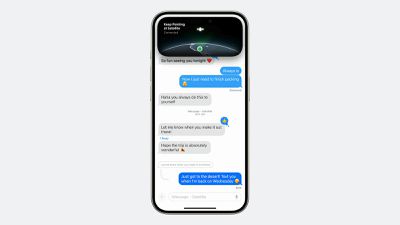
iOS 18: Send Messages Without a Wi-Fi or Cellular Connection
While iPhone 14 and newer models have already been able to take advantage of Emergency SOS and roadside assistance via satellite, iOS 18 expands those satellite capabilities to include standard iMessages and SMS texts, offering a way to get in touch with friends and family even when traditional networks are unavailable.
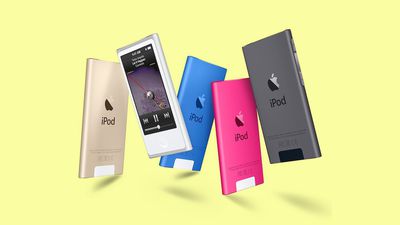
Apple Says Final iPod Nano and iPod Shuffle Models Are Now Obsolete
Apple discontinued the final iPod nano and iPod shuffle models way back in 2017, and that means Apple now considers them obsolete and thus ineglible for repairs at Apple Stores and Apple Authorized Service Providers.
Both the iPod shuffle and the iPod nano were introduced in 2005 as smaller, cheaper music players in Apple's iPod lineup, and they both saw significant form factor evolutions over their lifespans with the final models debuting in mid-2015 before being discontinued two years later.
MacRumors Newsletter
Each week, we publish an email newsletter like this highlighting the top Apple stories, making it a great way to get a bite-sized recap of the week hitting all of the major topics we've covered and tying together related stories for a big-picture view.
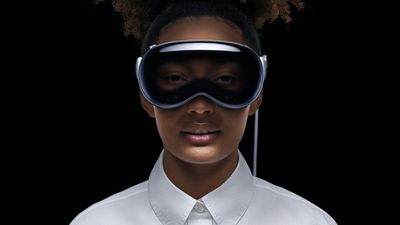
There have been multiple signs suggesting that Apple's mixed reality Vision Pro headset is struggling to take off, both due to the super high price and the heavy design that limits the amount of time it can be worn for most people. What does the Vision Pro's floundering mean for Apple's work on future virtual and augmented reality projects?
Vision Pro Interest
Interest in the Vision Pro was high in February when the device first launched because it was an all-new product category for Apple, but that didn't last. The Vision Pro is indisputably impressive, and it is mind blowing to watch a butterfly flit by so closely it feels like you can reach out and touch it, or to see the rough skin of an elephant as it walks right by you, but the magic quickly wears off for most.
Early reviews found the Vision Pro hard to wear for a long enough period of time to incorporate it into a real workflow, and it was hard to find a use case that justified the $3,500 price tag. The Verge's Nilay Patel found the Vision Pro to be uncomfortably isolating, and The Wall Street Journal's Joanna Stern got nauseous every time she watched the limited amount of Apple Immersive Video content available. Reviewers agreed that watching TV and movies was one of the best use cases, but that makes for an expensive TV that can't be watched with anyone else.
Months later, sentiment hasn't changed much. There was a lot of demand at Apple Stores when the Vision Pro launched, and long lines of people wanted to give it a try. Once the demo was over, though, interest fell. As early as April, there were reports that enthusiasm about the Vision Pro had dropped significantly, and by July, there were reports of waning sales.
At MacRumors, a few of us bought a Vision Pro at launch, and those headsets are tucked away in their cases and essentially not pulled out much at all anymore, except to sometimes watch Apple's latest Immersive Video or to update to new visionOS software. MacRumors videographer Dan Barbera uses his Vision Pro once a week or so for watching content, but only for about two hours because it's painful to continue use after that point. MacRumors editor in chief Eric Slivka and I haven't found a compelling use case, and there's no content appealing enough for even weekly use.
I still can't wear the Vision Pro for more than two hours or so because it's too uncomfortable, and I'm prone to motion sickness so it sometimes makes me feel queasy if there's too much movement. The biggest reason I don't use the Vision Pro, though, is that I don't want to shut out what's around me. Sure, it's great for watching movies, TV shows, or YouTube videos on a screen that looks like it's 100 feet tall, but to do that, I have to isolate myself. I can't watch with other people, and I feel genuinely guilty when my cat comes over for attention and I'm distracted by my headset.
Watching movies on the Vision Pro is not a better experience than using the 65-inch TV in front of my couch. I am a gamer, but there aren't many interesting games, and a lot of the content that's available feels like I'm playing a mobile game in a less intuitive way. Using it as a display for my Mac is the best use case I've found, but it's limited to a single display and it's not enough of an improvement over my two display setup to justify being uncomfortable while I work.
Beyond our own experiences with the Vision Pro, MacRumors site traffic indicates a lack of interest in the headset. When we publish a story about the Vision Pro, people don't read it. I wrote a Vision Pro story about the first short film on the headset just yesterday, for example, and it was our lowest traffic article for the day. It probably wasn't worth my time to even do, and that's not an isolated incident.
There are enterprise use cases for Vision Pro, and some people out there who do love the headset, so it does have some promise, and Apple has been marketing it to businesses. Some examples, from Apple and others:
Porsche - Porsche engineers use the Vision Pro to visualize car data in real time.
KLM - KLM Airlines is using the Vision Pro for training technicians on new engine models.
Law enforcement - Police departments in California are testing Vision Pro for surveillance work.
Medicine - A medical team in the UK used the Vision Pro for two spinal surgeries. Doctors in India also reportedly use it for laparoscopic surgeries, and an orthopedic surgeon in Brazil used it during a shoulder surgery. UCSD has been testing the use of Vision Pro apps for minimally invasive surgery.
Science - MIT students wrote an app to control a robot using the Vision Pro's gesture support.
Tim Cook said in May that "half" of Fortune 100 companies bought a Vision Pro, but whether those Vision Pro headsets are actually in use and what for is unknown.
Confusion Over What's Next
With Vision Pro sales coming in under what Apple expected, we've seen some confusing rumors about what Apple's next move will be. There were initially rumors that Apple was working on two new versions of the Vision Pro, one that's cheaper and one that's a direct successor to the current model.
In April, Bloomberg's Mark Gurman said Apple would not launch a new version of the Vision Pro prior to the end of 2026, with Apple struggling to find ways to bring down the cost of the headset.
In June, The Information said Apple had suspended work on a second-generation Vision Pro to focus on a cheaper model. Later that same month, Gurman said that Apple might make the next Vision Pro reliant on a tethered iPhone or Mac, which could drop costs, and he said a cheaper headset could come out as early as the end of 2025.
In late September, Apple analyst Ming-Chi Kuo said Apple would begin production on a new version of the Vision Pro in the second half of 2025, presumably for a late 2025 launch. He claims the most substantial upgrade will be a new M5 chip for notably better computing power, with the specifications, design, and price to stay largely the same. This is in contrast to a February rumor from Kuo that said Apple wouldn't release a new model until 2027.
None of these rumors are really on the same page, so Apple's next step in AR/VR development is unclear. Kuo is saying there will be a new Vision Pro with a faster chip at the end of 2025, while Gurman and The Information think we'll get a cheaper version of the headset. Even Apple might not yet have a clear decision on what's next, so we'll have to wait and see how the company's AR/VR strategy evolves.
AR Smart Glasses
Since before Apple came out with the Vision Pro, there have been rumors about work on lightweight augmented reality smart glasses. AR glasses are Apple's actual longterm goal, with the Vision Pro serving as a stepping stone. Apple CEO Tim Cook has talked about Apple's interest in augmented reality extensively, calling it "big and profound," and something that people will eventually look back on and wonder how they lived without it.
Apple wanted to release AR smart glasses as early as 2023 before delaying the project to 2025, but unfortunately, development was postponed "indefinitely" in January 2023. According to Gurman, Apple stopped work because of technical difficulties, and there are some Apple employees that don't think Apple will ever ship AR glasses.
Later in 2023, Gurman clarified that smart glasses were "at least" four years away from launching. Apple realized while developing the Vision Pro that building AR glasses with sufficient power was not feasible. To work, the glasses would need to provide the full performance of an iPhone with a tenth of its power consumption to keep them from getting too warm. Apple's work on smart glasses receives "limited resources," with most development going toward the Vision Pro to lay the foundation for a future where the AR technology will work.
Serious development on standalone AR glasses is postponed at the current time, so it's not quite clear when we're going to reach a point where hardware miniaturization and chip efficiency improvements will allow for AR glasses as Apple envisions them.
Way back in 2017, Apple CEO Tim Cook said that the technology doesn't exist to do AR smart glasses "in a quality way," and that doesn't appear to have changed since then. It will likely be close to the end of the decade before we start hearing serious reports about Apple's work on augmented reality glasses.
If Apple can continue to fund new versions of the Vision Pro and make improvements to that product line like it did with the Apple Watch, the future looks promising for a lightweight set of glasses that combine the power of the iPhone with the wonder of the Vision Pro.
Meta's Smart Glasses
Last month, Facebook parent company Meta showed off its Orion augmented reality smart glasses. The glasses have a super thick frame, but they look a lot more like regular glasses than any mixed reality headset on the market.
Meta Orion
Meta's Orion glasses have been in development for more than five years, and Meta isn't ready to release them. They're still in a prototyping stage, but Meta is testing them with employees and select external audiences to "learn, iterate, and build" toward a consumer AR glasses product line. Meta's glasses aren't standalone, requiring a wristband for control and a compute puck that has to be in the room.
It costs Meta around $10,000 to make one pair of the Orion glasses, so that gives us some context on the hurdles that Apple needs to overcome to get AR glasses to market. Meta can't sell the glasses at that price point, and it's likely going to be several years before they come down to a price low enough to entice consumers.
Something In-Between
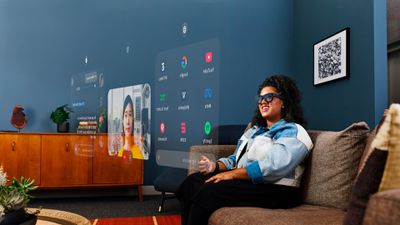
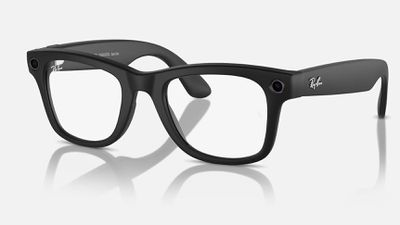
Meta also has Ray-Ban AI glasses that are affordable, but don't have any augmented reality capabilities. Apple has explored a similar product, and there's a chance that we could get something like the Ray-Ban glasses in the future.
Meta's Ray-Ban Glasses
Apple could make simple glasses with a camera, Siri integration, and built-in speakers for listening to music, because speaker-equipped sunglasses have also caught on in recent years. Health capabilities could be included too. Right now Apple is still considering such a product, so it's not clear if it's something that will make it to an actual development stage.
The Far Future
If Apple does master AR smart glasses, technology could eventually come to a point where something even smaller is possible. Ming-Chi Kuo claimed in 2021 that Apple could release augmented reality contact lenses in the 2030s, but that prediction is sounding unrealistic at a point when technology can't be miniaturized enough even for quality AR glasses.
Your Thoughts
Do you have a Vision Pro and still use it? Would you wear AR smart glasses, or even glasses with just a camera and a speaker? Let us know in the comments.
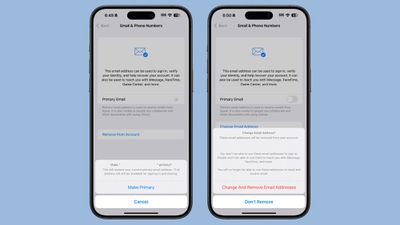
In iOS 18.1, there is a new option to set a "Primary" email address in the Settings app, which means it is easier to change the main email address associated with your Apple Account. The Primary email address is the one that is visible to other people when collaborating on and sharing documents, sending calendar invites, and more.
Apple did not previously make it easy to change an Apple Account (or Apple ID) email address, despite the fact that it is sometimes visible to other people. To change an Apple Account email before, you had to delete the email you were using, choose another, and go through a verification process.
You can now change the email address and continue to use the prior email for login purposes right alongside the new primary. This setting also comes with an option to change an iCloud.com or me.com email address, so if you have an address you're not fond of, it can finally be swapped to something else.
Prior to iOS 18.1, Apple did not allow users to delete, change, or turn off a primary iCloud Mail address. You could set an alias and use that instead, but the primary email would still sometimes be visible to others. For those who have an embarrassing iCloud email address, there's now an option to change it entirely rather than relying on an alias.
Summaries and smart reply options aren't the flashiest of Apple Intelligence features, but these are capabilities that Apple is introducing in iOS 18.1 that have the potential to be useful for most people's day-to-day device usage.
Summaries
Summaries are available across the operating system and can be used in different ways for apps, notifications, emails, and more.
Mail and Messages
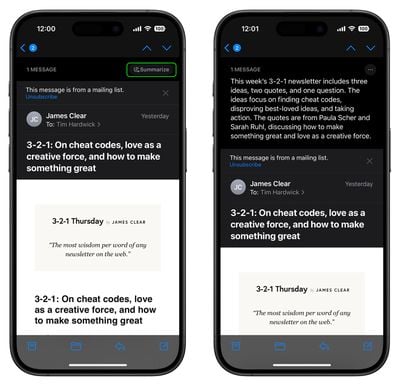
In your email inbox in the Mail app, you'll see an AI summary of the main content of the email message, so you can tell whether it's important at a glance. You don't get a lot of information, but it's enough to give context when the title doesn't unveil what an email is about. When you tap into an email, you can use the "Summarize" option at the top to get an overview.
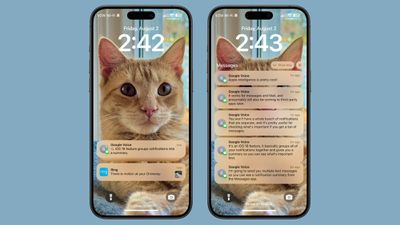
You'll see summaries of incoming messages on the Lock Screen so you can decide whether it's important to respond. It's particularly useful for long messages, because it's good at pulling out the most important bits. You can also see summaries of unread messages right in the Messages app.
You can turn off Messages summaries by going to Settings > Apps > Messages and toggling off Summarize Messages. Turn off Mail summaries the same way, but in the Mail section.
Notifications
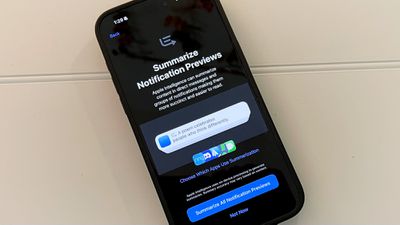
For almost all of your notifications, Apple Intelligence can group them up and give you a short, one-sentence summary of what's in them. Tapping expands the stack so you can see everything individually.
Notification summaries work for built-in apps like Messages, and also your third-party apps. Apple Intelligence tries to pick out what's most relevant. For messaging apps or email, it'll give a short summary of one or two messages, while aggregates like camera motion notifications are grouped up so you can see which areas had motion activations at a glance.
Notification summaries are automatic when you have Apple Intelligence on, but if you want to turn them off, you can do so by opening up the Settings app, going to Notifications, and turning off Summarize Previews. You can disable the feature entirely or on a per-app basis.
Safari
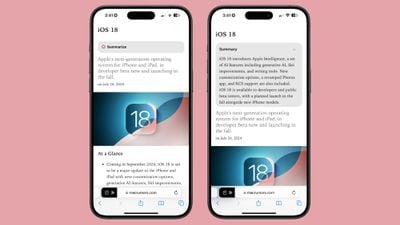
Safari supports a new Apple Intelligence Summary feature that lets you get an overview of webpages or articles. If you see a purple sparkle on the URL bar, you can tap it to view a summary.
Summaries are technically part of Reader Mode, but you don't always have to enter into Reader Mode to view one. Summaries show up automatically for longer articles, but if you're not seeing one, tap into Reader Mode and then tap on the Summarize button.
You can also select any text anywhere in Safari, then tap on Writing Tools, and choose Summary to get a summary of your highlighted text. This summarize feature is part of Writing Tools.
Summaries tend to be a paragraph at most, so you're not always going to get a full picture of what's in an article. It's more of an overview to let you know whether it's worth reading.
Notes
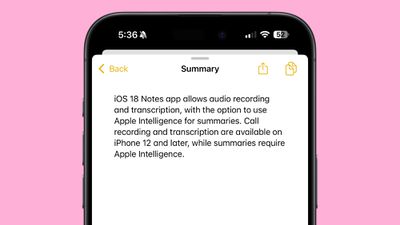
In the Notes app, you can select text and choose the Writing Tools Summary option just like you can in Safari, but there are also summaries created for recorded phone call transcripts and transcripts of voice memo recordings captured with the Notes app.
In a note with a recording, tap into it and you'll see a "Summary" option at the top that you can choose to get a summary of a transcript. Note that phone call recording, voice memos in notes, and transcripts of those recordings are available to everyone. It's only the summary feature that's an Apple Intelligence feature.
Other Apps
In all apps, you can select any text and use Writing Tools to generate a summary of that text, just like you can in Safari and Notes.
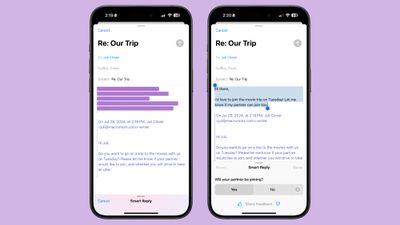
Smart Replies
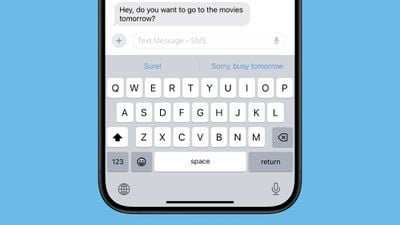
Smart Replies are a feature in Mail and Messages, and you'll see them in the suggestions bar above the keyboard.
Smart Replies can be useful when you're replying to a message that has a clear question in it, such as "Do you want to go to the movies tonight?" or "Did you see [insert popular TV show here] last night?"
It is less useful for most other responses. Smart Replies don't seem to learn from individual tone or voice, and most of the time, the suggestions don't always sound like they came from a human. It tends to use a lot of "haha" responses and exclamation points, and when it's not suggesting haha as a reply, it's often rephrasing what the other person said, which is not generally how people respond to messages.
How Useful Are These Features?
Smart Replies and other Apple Intelligence features are in beta right now, and will be released in a beta capacity, too. Summaries have room for improvement in terms of thoroughness, but the option is already useful, particularly when viewing notifications on the Lock Screen or scrolling through your email messages.
Summaries for longer form content could stand to be more detailed, and right now, you're only going to get a high level overview.
Smart Replies are of questionable use at the current time, and hopefully this is something that will get a lot better when the personal context Siri features are released next year. Right now, Smart Replies can almost be more of an annoyance, but we are in the very early days of Apple Intelligence.
Apple Intelligence Requirements
To use the summary and smart reply Apple Intelligence features, you need a device capable of Apple Intelligence. That includes the iPhone 15 Pro, the iPhone 15 Pro Max, any iPhone 16 model, any iPad with an M-series chip, and any Mac with an M-series chip.
Apple Intelligence features do not work on any other devices because of the processing power and memory required.
Release Date
Apple Intelligence is in the iOS 18.1, iPadOS 18.1, and macOS Sequoia 15.1 betas at the current time. The betas are available to developers and public beta testers, and the updates are expected to see a release on Monday, October 28.
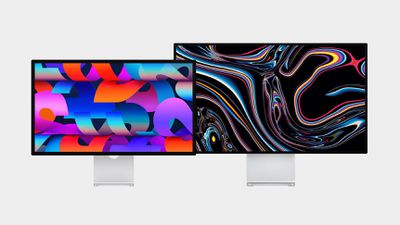
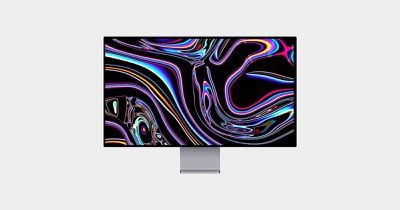
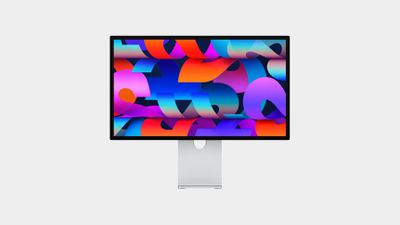
Apple sells two external displays, including the Pro Display XDR and the Studio Display, but neither has received hardware upgrades in years. In fact, the Pro Display XDR is nearly five years old, having been released all the way back in December 2019.
Below, we recap rumors about potential next-generation Pro Display XDR and Studio Display monitors, but nothing seems to be imminent.
Pro Display XDR
Released alongside the 2019 Mac Pro, the high-end Pro Display XDR features a 32-inch screen with LED backlighting, 6K resolution, a 60Hz refresh rate, P3 wide color, up to 1,600 nits of brightness, one Thunderbolt 3 port, and three USB-C ports. In the U.S., the monitor still starts at $4,999, while the optional Pro Stand costs $999 extra.
In December 2022, Bloomberg's Mark Gurman said Apple was working on an updated version of the Pro Display XDR with an Apple silicon chip, something the current model lacks. In the Studio Display, an A13 Bionic chip powers features such as Center Stage camera framing, spatial audio, and Siri voice commands. However, there have not been any recent rumors about a new Pro Display XDR, so it's unclear what Apple's current plans are.
Additional features that customers are hoping for with the next Pro Display XDR include a built-in camera, speakers, and a higher refresh rate.
Studio Display
Apple released the Studio Display in March 2022, alongside the first Mac Studio. The monitor features a 27-inch LCD screen with 5K resolution, a 60Hz refresh rate, P3 wide color, up to 600 nits brightness, a built-in camera and speakers, one Thunderbolt 3 port, and three USB-C ports. In the U.S., the Studio Display continues to start at $1,599, although the standard configuration is on sale on Amazon for $1,349 as of writing.
In his December 2022 report, Gurman said Apple was working on multiple new external monitors, but he did not specifically mention a new Studio Display. In July 2023, Gurman said Apple's next-generation monitors could launch in 2024 at the earliest, but there are only a few months left in the year and there have been no recent rumors.
There have been on-again, off-again rumors about Apple planning a new 27-inch external display with mini-LED backlighting, which would allow for increased brightness and higher contrast ratio. In April 2023, Apple supply chain analyst Ming-Chi Kuo said the display was slated for mass production in 2024 or early 2025. It is unclear if this monitor would be the next Studio Display, or if it would have different branding.
Note: MacRumors is an affiliate partner with Amazon. When you click a link and make a purchase, we may receive a small payment, which helps us keep the site running.
The report states that the DMV received confirmation from Apple to cancel the permit on September 25, and the permit became canceled as of September 27. While this decision is not surprising given Gurman's reporting earlier this year, this is effectively the final nail in the coffin for Apple's decade-long electric vehicle project.
The permit allowed Apple to test a self-driving vehicle with a safety driver on any public road within California. Apple received the permit in 2017, and macReports said that it would have been active until April 30, 2025 had it not been canceled.
Apple was using leased Lexus SUVs equipped with an array of sensors and cameras to test various autonomous driving technologies on California streets.
Read our Apple Car roundup for more details about the canceled project.
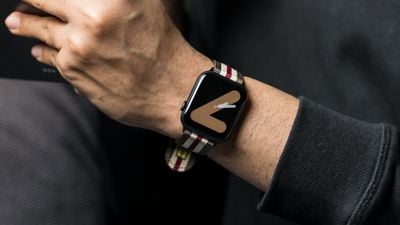
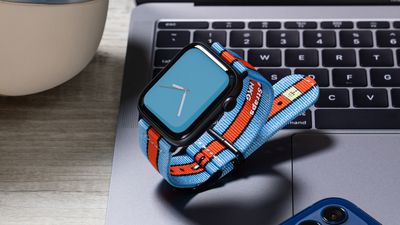
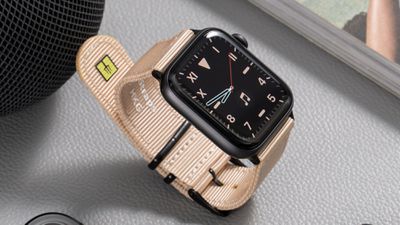
For this week's giveaway, we've teamed up with Southern Straps to give MacRumors readers a chance to win one of Apple's new Apple Watch Series 10 models and a Southern Straps band to go along with it. Southern Straps has been producing high-quality bands for the Apple Watch for close to 10 years, and the company's selection of bands offer a great alternative to Apple's bands in unique styles that Apple does not offer.
Southern Straps has a range of nylon bands that pair a comfortable fit with a classic watch band design. After the Apple Watch came out in 2015, Southern Straps was the first company to make nylon Apple Watch bands, and with many years of experience, the company has had plenty of time to perfect the band's look and construction.
Available for $29, each Southern Straps Apple Watch band is made from a single piece of nylon that is folded over, heat sealed, and stitched together for durability. The multi-step process makes sure that every band is going to hold up for multiple years of use, and there is a five-year warranty on the bands.
Southern Straps offers 11 color options, ranging from solid colors in green, black, and sand, to striped options in colorful combinations like blue and green, blue and orange, khaki and red, blue and white, black and gray, and the classic red, white, and blue.
Bands can be ordered with hardware in black, silver, or gold to match the different Apple Watch models. There are two sizes: one that is compatible with 42mm to 49mm Apple Watch models, and one that is compatible with smaller 38mm to 41mm models. The bands work with every Apple Watch model from the original Apple Watch to the Apple Watch Ultra 2 and the Series 10.
Pegged spring bars are included with each band so that you can change the hardware if you get an Apple Watch in a new size or a new color. Southern Straps bands are perfect for daily use for everything from work to working out.
Southern Straps is offering an Apple Watch Series 10 for one lucky MacRumors reader. To enter to win, use the widget below and enter an email address. Email addresses will be used solely for contact purposes to reach the winner(s) and send the prize(s). You can earn additional entries by subscribing to our weekly newsletter, subscribing to our YouTube channel, following us on Twitter, following us on Instagram, following us on Threads, or visiting the MacRumorsFacebook page.
Due to the complexities of international laws regarding giveaways, only U.S. residents who are 18 years or older, UK residents who are 18 years or older, and Canadian residents who have reached the age of majority in their province or territory are eligible to enter. All federal, state, provincial, and/or local taxes, fees, and surcharges are the sole responsibility of the prize winner. To offer feedback or get more information on the giveaway restrictions, please refer to our Site Feedback section, as that is where discussion of the rules will be redirected.
The contest will run from today (October 11) at 9:00 a.m. Pacific Time through 9:00 a.m. Pacific Time on October 18. The winner will be chosen randomly on or shortly after October 18 and will be contacted by email. The winner will have 48 hours to respond and provide a shipping address before a new winner is chosen.
Multiple leaks surrounding Apple's unannounced 14-inch MacBook Pro with the M4 chip recently surfaced online. The leaks began with unboxing videos shared by several Russian YouTube channels, showcasing the new entry-level MacBook Pro ahead of its official announcement. These leaks were followed by a listing on a Russian classifieds site, where multiple units were allegedly being sold after what appears to be theft from a warehouse. This marks one of Apple's most significant leaks in recent memory, drawing comparisons to the 2010 iPhone 4 prototype incident.
The leaked MacBook Pro reveals several notable upgrades. The M4 chip with a 10-core CPU is 25% faster than the M3's 8-core CPU. As rumored, it also comes with 16GB of RAM as the new base configuration, doubling the previous standard of 8GB, and support for up to two external displays with the lid open. Another key improvement is the addition of a third Thunderbolt port, bringing the entry-level model up to parity with the higher-end configurations. It also looks like the entry-level MacBook Pro will be available in the Space Black color option for the first time. Despite these upgrades, the display, general design, and other features remain unchanged from the current MacBook Pro. These revelations come just weeks before Apple is expected to officially unveil its first M4-powered Macs, with a rumored release date of November 1.
According to Bloomberg's Mark Gurman, Apple appears to be slowly moving away from its traditional annual release schedule for hardware and software, favoring a more staggered approach. This shift is evident with the introduction of iOS 18, where key features like Apple Intelligence are delayed and due to be rolled out in subsequent updates throughout 2025. As Apple's product lineup grows more complex, this strategy would allow for better quality control and innovation by releasing products and features when they are fully developed, rather than adhering to fixed timelines.
While iPhones are expected to maintain their yearly updates, other products like the Apple Watch and Mac lineup may follow a multi-year or staggered release schedule to make the company's launches less predictable and more flexible. We discuss whether this is a good move for Apple and take stock of its product strategy as a whole in light of recent releases.
If you haven't already listened to the previous episode of The MacRumors Show, catch up for our discussion about the latest rumors surrounding Apple's "Home Accessory" product, which could launch as soon as next year.
The MacRumors Show is on X @MacRumorsShow, so be sure to give us a follow to keep up with the podcast. You can also head over to The MacRumors Show forum thread to engage with us directly. Remember to rate and review the podcast, and let us know what subjects and guests you would like to see in the future.
This week was Amazon's second Prime Day of 2024, and even though it's technically come to a close, there are still plenty of Apple discounts that remain live. This includes record low prices on the AirPods Max, Apple Watch SE, Apple Watch Ultra 2, iPad, and more.
AirPods
Note: MacRumors is an affiliate partner with some of these vendors. When you click a link and make a purchase, we may receive a small payment, which helps us keep the site running.
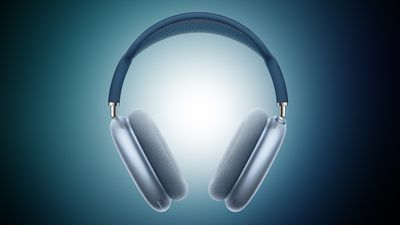
The only Prime Day deals for AirPods still around are for both AirPods Max models, and they're both all-time low prices for each pair of headphones.
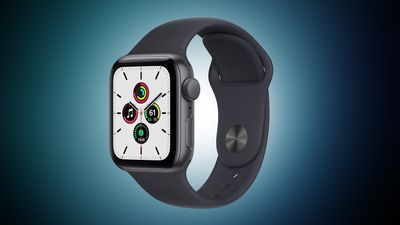
Top Apple Watch deals during Prime Day included the Apple Watch SE available from $169.99 and the Apple Watch Ultra 2 in Black for $729.99. Both of these are all-time low prices on each model.
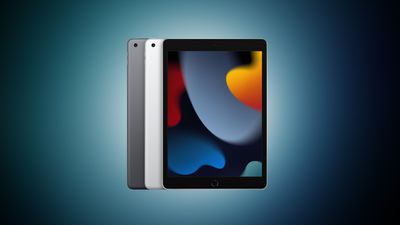
You can get the 64GB Wi-Fi 9th generation iPad for $199.99 in both colors, down from $329.00. This is a match of the record low price on this version of the 2021 tablet.
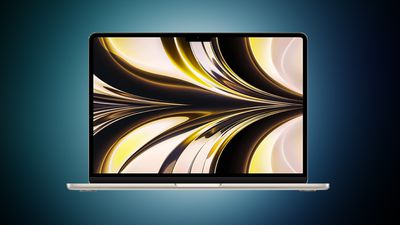
MacBook Air discounts were abundant this Prime Day, with both M2 and M3 models getting huge markdowns on Amazon. You can still get the M2 model at an all-time low price of $749.00 today on Amazon.
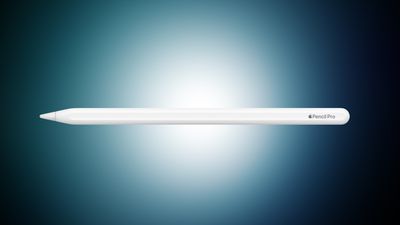
One of the best accessory deals this week is on the Apple Pencil Pro, now down to $96.00, from $129.00. This is a record low price on the Apple Pencil Pro.
Amazon this week introduced a few deals on Apple's new lineup of MagSafe Chargers, including the 1-meter model for $29.00 and 2-meter model for $39.00. At $10 off, these are new record low prices for each model.
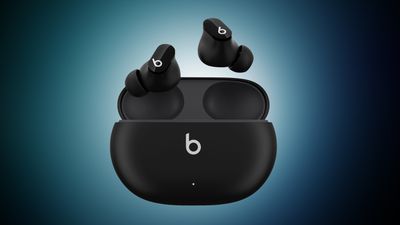
There's a big collection of Beats headphones discounted for Prime Day this year, starting with the Beats Studio Buds for $79.99, down from $149.95. The newer Beats Studio Buds+ are on sale for $129.99, down from $169.95.
The Beats Studio Pro are on sale for $169.99, down from $349.99, which is a new record low price. You can also get the Beats Solo 4 Headphones for $99.99, down from $199.99 and the Beats Fit Pro for $149.99, down from $199.99.
If you're on the hunt for more discounts, be sure to visit our Apple Deals roundup where we recap the best Apple-related bargains of the past week.
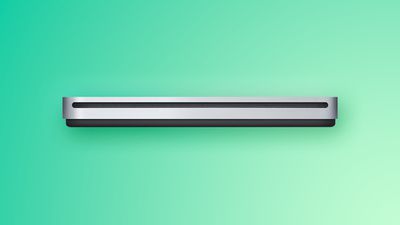
A few months ago, the SuperDrive went out of stock on Apple's online store in the U.S., and it is now listed as sold out or unavailable in all countries. Given it has yet to return, it seems likely that Apple has discontinued the 16-year-old accessory.
Introduced in 2008, the SuperDrive is an external CD/DVD drive that was released alongside the original MacBook Air, which lacked a built-in CD/DVD drive. Despite having an outdated USB-A cable attached to it, the SuperDrive remained available on Apple's online store until just recently, becoming one of the company's longest-sold products.
CD/DVD drives have become a niche market, so it's not surprising that Apple has finally stopped selling the SuperDrive. There are plenty of other CD/DVD drives for customers who really need one, and they don't require a USB-C adapter for use with modern Macs. Nevertheless, it's the end of an era for a legacy technology at Apple.
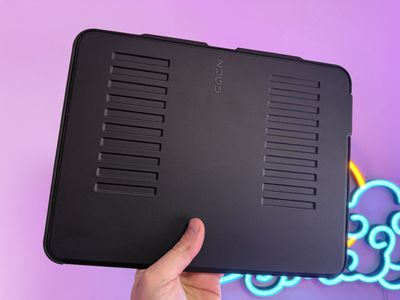
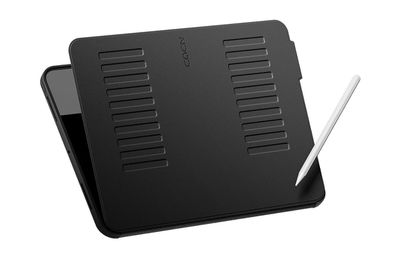
I recently had the opportunity to test out the latest Zugu case for the 13-inch M4 iPad Pro, and I came away impressed with its blend of style and functionality.
While designed for the newest iPad Pro model, this case retains the key features that have made Zugu a popular choice among iPad users over the 14 years that the company has been operating.
Design and Protection
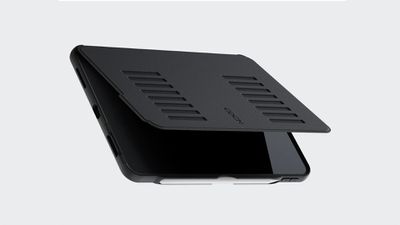
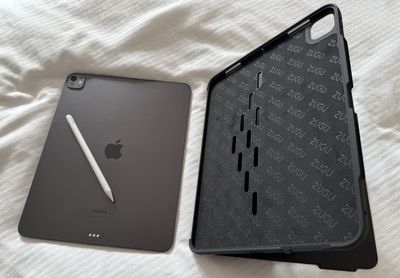
When I took the Zugu case out of the box, its minimalist appearance immediately caught my eye. I opted for the black color, which has an understated, professional look. The case is also available in slate (a subtle blue), berry (a rich red), and pine (a deep green). The soft pleather exterior feels good in the hand and provides a secure grip, unlike some slippery plastic alternatives.
Underneath the exterior is a robust combination of TPU and polycarbonate, offering what feels like very decent drop protection. (I haven't had a mishap yet, but it certainly instills confidence.) Thick bumpers along the edges provide an extra layer of defense, particularly for the screen corners, which is something I always look for in a case. The volume and power button covers are also nicely tactile and rubbery.
I was pleased to discover it has a soft microfiber interior to help prevent scratches on the iPad itself. Despite these protective features, the case on its own weighs a relatively light 515 grams, and it's only around half an inch thick with the iPad inside and the lid closed. All of the speaker and port holes are well-aligned, while the top cover is a particularly notable protective feature, and completely covers the screen when closed. It also plays nice with the iPad's sleep/wake feature. It's a welcome additional layer of protection against scratches and minor impacts when stowed in a bag on your commute.
Versatility and Convenience
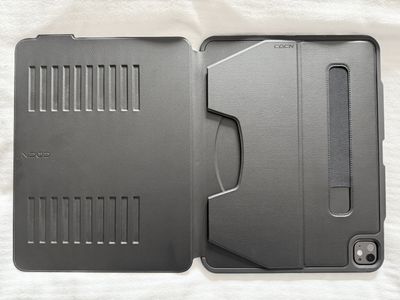
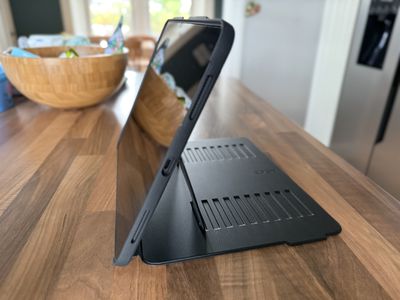
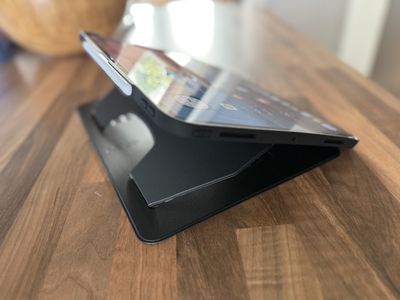
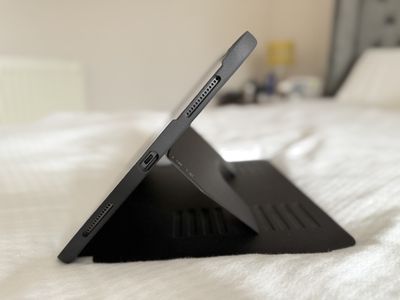
The Zugu case's adaptability is definitely its standout feature. Its adjustable magnetic stand offers 10 different angles, which makes it suitable for various activities, whether you're browsing, typing, drawing with Apple Pencil, or watching media. An extra thoughtful detail is the presence of air flow vents to prevent overheating during extended use or intensive bouts of gaming.
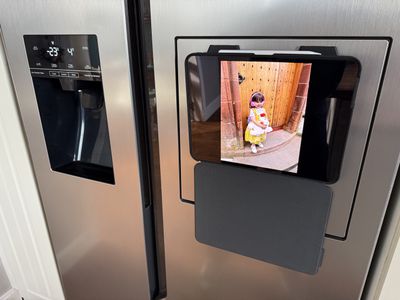
During testing, I found the magnetic functionality particularly clever. By flipping up and exposing the magnetic feet in the kickstand, I could easily attach my iPad to metal surfaces like a refrigerator door. If you follow recipe instructions in the kitchen, this frees up valuable counter space. Just be mindful not to slam the fridge door while the iPad is attached.
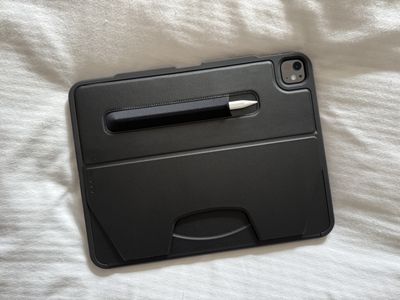
Zugu also includes a couple of neat storage options for the Apple Pencil. A recess along the side allows for easy snap-on wireless charging, while an elastic pocket on the back provides added security during transport.
Summing Up
Given that the 13-inch iPad Pro starts at $1299, there's really no point cutting corners when it comes to ensuring it's protected at all times. I wouldn't skimp when choosing a laptop case, and the same applies here. For me, the Zugu case for M4 iPad Pro offers a compelling balance of protection, functionality, and style, at a competitive $79.99 starting price.
Its versatile stand options, secure magnetic mounting, and thoughtful design features like air vents and Apple Pencil integration set it apart from many competitors. While the magnets are generally strong, I'd still advise exercising caution when mounting the case on a vertical surface. Overall though, it's a solid choice for those seeking a premium, feature-rich case for their iPad Pro.
Where to Buy
The Zugu case for iPad Pro is available directly from Zugu's website, starting at $79.99. Zugu also offers variants for other iPad models, including the 11-inch iPad Pro, the standard iPad, iPad Air, and iPad mini. Each Zugu case purchase also contributes funds to Children International, a humanitarian organization focused on helping kids around the world learn the skills needed to break free from poverty. Zugu has so far donated over $1 million to the cause, according to its website.
Note: Zugu provided MacRumors with a 13-inch iPad Pro M4 case for the purpose of this review. No other compensation was received.
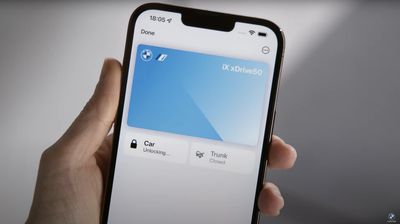
Following the release of iOS 18 last month, some BMW owners have experienced issues with shared car keys in the Apple Wallet app, according to messages on the Apple Support Community and the largest BMW discussion forum.
Affected users said that the "passive entry" feature that allows you to lock, unlock, and start compatible BMW vehicle models by simply having your iPhone on you no longer works for secondary Wallet keys shared with others, such as a spouse or other family member. The primary key still works for passive entry, the people said.
The issue does not appear to be fixed in the iOS 18.0.1 update released last week, or in the latest iOS 18.1 beta. The underlying cause is unclear.
We will share any new information about this issue as it becomes available.


 Note: MacRumors is an affiliate partner with some of these vendors. When you click a link and make a purchase, we may receive a small payment, which helps us keep the site running.
 Note: MacRumors is an affiliate partner with Best Buy. When you click a link and make a purchase, we may receive a small payment, which helps us keep the site running.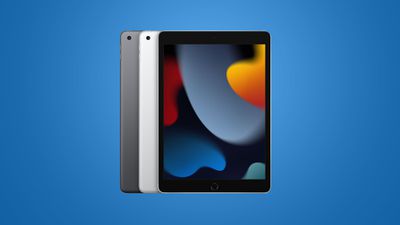

 Meta Orion
 Meta's Ray-Ban Glasses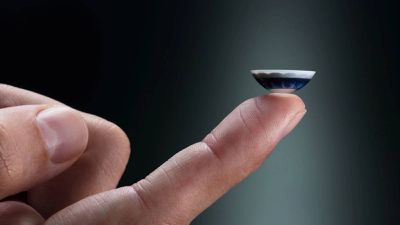
 Note: MacRumors is an affiliate partner with some of these vendors. When you click a link and make a purchase, we may receive a small payment, which helps us keep the site running.