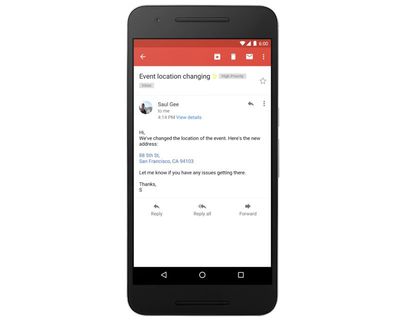
Google today announced an update to Gmail that will see the popular mail client able to convert addresses, phone numbers, email addresses, and contacts to into clickable hyperlinks.
The new hyperlink feature is available on the web and in the Gmail mobile apps for iOS and Android -- Gmail and Inbox by Gmail. This is something that has long been available in Apple's own Mail app on iOS and Mac devices.
When an address is clicked from Gmail, it will automatically open up Google Maps. Clicking an email address will compose a new email using the user's default email client, and clicking a phone number will start a call request.
Google says it will take approximately one to three days for the new feature to roll out to all users.
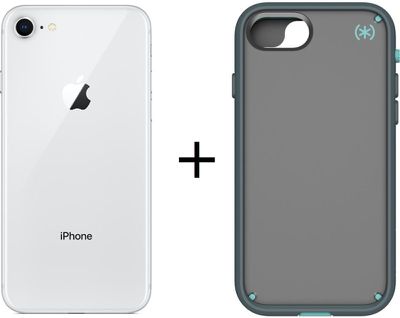
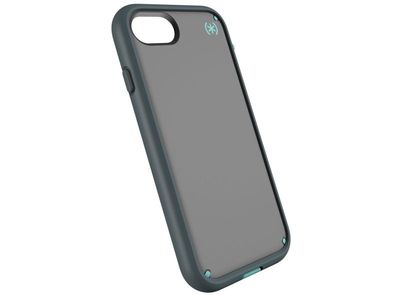
We've teamed up with Speck for a very special giveaway that includes one of Apple's brand new 256GB iPhone 8 models in Silver and a Presidio Ultra Case designed by Speck to go along with it.
Speck is offering a wide range of cases for the new iPhone 8 and iPhone 8 Plus at prices starting at $39.95, but the Presidio Ultra is Speck's most protective iPhone case.
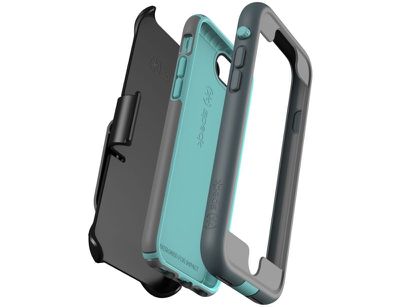
The Presidio Ultra has four layers of protection, including a removable Impactium Ultra bumper that offers up extra drop protection on demand. On its own, the Presidio case offers drop protection up to 10 feet, but that extends to 15 feet with the bumper.
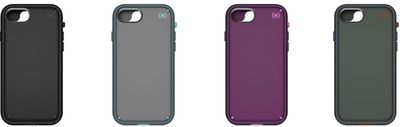
Speck's Presidio Ultra case also offers coverage of all ports and it's resistant to both dirt and dust. It comes in a range of fashionable colors, including black, pink/purple, gray/red, and gray/teal.
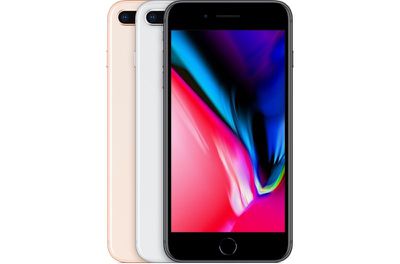
Apple's iPhone 8, though it looks similar to the iPhone 7, is a major upgrade with several new features. Along with a glass body that has a new pearlescent silver finish and support for Qi wireless charging, the iPhone 8 offers up a much faster A11 chip, camera improvements, and better support for augmented reality apps through the introduction of a new accelerometer and gyroscope.
We have one iPhone 8 and Presidio Ultra Case in Gray/Teal to give away to a lucky MacRumors reader. To enter to win, use the Rafflecopter widget below and enter an email address. Email addresses will be used solely for contact purposes to reach the winner and send the prize. You can earn additional entries by subscribing to our weekly newsletter, subscribing to our YouTube channel, following us on Twitter, or visiting the MacRumorsFacebook page.
Due to the complexities of international laws regarding giveaways, only U.S. residents who are 18 years of age or older are eligible to enter. To offer feedback or get more information on the giveaway restrictions, please refer to our Site Feedback section, as that is where discussion of the rules will be redirected.
The contest will run from today (September 18) at 3:30 p.m. Pacific Time through 10:00 a.m. Pacific Time on September 22. The winner will be chosen randomly on September 22 and will be contacted by email. The winner will have 48 hours to respond and provide a shipping address before a new winner is chosen.
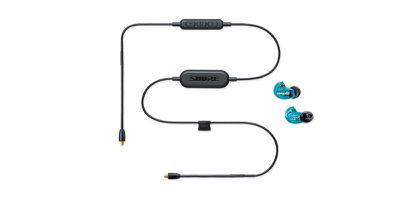
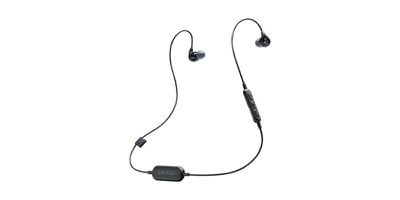
Shure today announced the launch of its first ever Bluetooth-compatible earphones, bringing wireless connectivity to its SE headphone lineup. Both the new SE112 and the SE215 models are designed to connect to an iPhone using Bluetooth.
Shure says that both models feature high-quality, detailed sound that Shure headphones are known for, with a sound isolating design that blocks up to 37dB of outside noise, and a fit kit featuring a variety of sleeves for the best possible fit for each user.
The headphones each offer eight hours of battery life on a single charge and have a range of 30 feet.
Shure's SE215 Earphones, priced at $150, come with a detachable Bluetooth Accessory Cable, an accessory that Shure is also selling on a standalone basis for $99. The cable can be used to add wireless connectivity to current Shure SE earphones.
The SE215 is available in translucent black, translucent blue, white, and clear.
Shure's more affordable SE112, priced at $100, does not include the detachable cable, instead offering only a fixed Bluetooth cable. This model is also only available in black.
The new wireless SE112 and SE215 will be available from retailers that offer Shure products soon.
Apple officially releases iOS 11 on Tuesday, September 19, and a host of new iPhone and iPad features are coming with it, such as a revamped Control Center, a new Files app, Drag and Drop gestures, and several other updated design elements.
This article covers some of the things you can do to prepare your devices for Apple's latest mobile operating system, including storage maintenance tips, backup advice, and a few other useful tidbits to consider before upgrading. First though, it's worth finding out if your mobile devices are compatible with iOS 11.
iOS 11 Compatibility Check
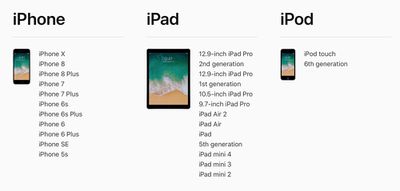
If you own an iPhone 5s or later, or an iPad Air or later, your device will run the latest operating system. Still unsure? Here's Apple's official compatibility list for iOS 11.
iPads: 12.9-inch iPad Pro (1st and 2nd generations), 10.5-inch iPad Pro, 9.7-inch iPad Pro, iPad Air 2, iPad Air 1, iPad 5th generation (2017 model), iPad mini 4, iPad mini 3, and iPad mini 2.
iPods: iPod touch 6th generation.
Reclaim Device Storage Space
iOS 11 includes new features to help you free up space on your iOS device, such as personalized recommendations about actions you can take to increase the available storage. But before you can benefit from those, you'll want to make sure your device has adequate space to download and install the new operating system.
With that in mind, it's worth reconsidering what apps you currently have installed on your devices and whether you really need them. Swipe through your home screen and check inside your folders to root out any long-forgotten apps (including legacy 32-bit apps that won't work on iOS 11) that are taking up precious storage space.
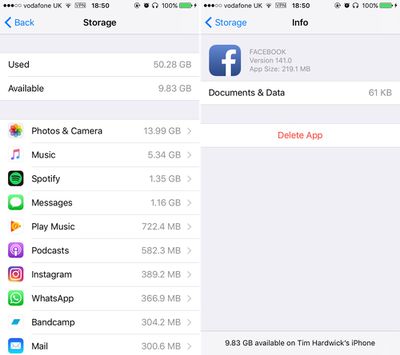
You can delete apps by holding a finger on them and tapping the X that appears at the corner of their icon. Alternatively, go to Settings -> General -> Storage & iCloud Usage -> Manage Storage, tap any apps you don't use, and select Delete App. Be ruthless – you can always re-install removed apps at a later date if you change your mind.
Check on the size of any social media apps you have installed, such as Facebook and Snapchat. These apps can often balloon in size after long periods of activity because of media caching and the like, so you might want to delete and then re-install them to start afresh.
If you're a WhatsApp user, open the app, go to Settings -> Data and Storage Usage -> Storage Usage, take a look at how many megabytes your chat history is consuming, and take appropriate action using the "Manage" option. You might be surprised at the savings this simple step can make.
If you use iCloud Photo Library, it's also worth checking that it's set up to use as little local storage on your device as possible. Tap through to Settings -> Photos and Camera, and make sure the option "Optimize iPhone Storage" is ticked. Lastly, open the App Store app and install any updates that are available to ensure maximum compatibility with iOS 11.
Create an Archived iTunes Backup
It's best practice to have an iTunes backup of your device stored on your computer in case something goes awry, or the worst happens and installation of iOS 11 fails. If you need to downgrade shortly after installing a new iOS update, making an archived iTunes backup beforehand is necessary.
An archived iTunes backup saves the current state of your iOS device and prevents it from being accidentally overwritten by subsequent backups. Here's how to do it on a Mac. (Note that if you're a Windows user, the iTunes procedure varies slightly and you will need to rename your iTunes backup folder or move it to another location to prevent it from being overwritten).
Connect your iPhone or iPad to a Mac with the latest version of iTunes installed (click iTunes -> Check For Updates from the menu bar to make sure) and click on the device's icon in iTunes' interface.
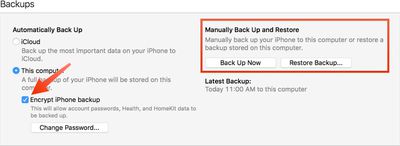
Under backups, select "This computer", choose "Encrypt iPhone backup" and then set a password. An encrypted backup retains all your account passwords as well as your Health and HomeKit data, whereas a non-encrypted backup doesn't.
Click "Back Up Now" and wait for the backup process to finish. It should take between 5 to 15 minutes to complete depending on how much data is stored on your device.
Archive the Backup
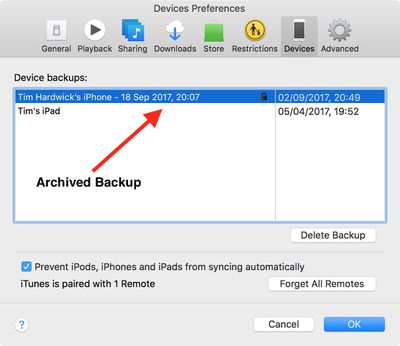
To archive the backup, select "Preferences" from the iTunes menu and click on the "Devices" tab. Right-click the new backup and choose the "Archive" option.
After the archival process is complete, a backup is labeled with the date and the time that it was archived.
Archived backups can be viewed at any time in iTunes' Preferences section. You can also delete an archived backup from here – simply select the backup in question and click the "Delete Backup" button.
Installing iOS 11
When iOS 11 becomes available (likely around 10 AM PST/1 PM EST on Tuesday, going on past releases) it will be delivered to your device either via iTunes when you plug it into your computer, or as an over-the-air update. Make sure your device is fully charged before you start the process over Wi-Fi, as it may take some time to complete.
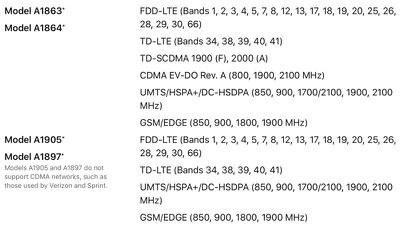
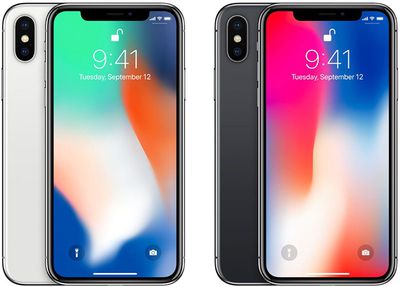
Apple's iPhone 8, iPhone 8 Plus, and iPhone X are not compatible with LTE Band 71, aka T-Mobile's new 600 MHz spectrum the company plans on rolling out in the United States as soon as this year.
All new iPhone models in the United States support FDD-LTE Bands 1, 2, 3, 4, 5, 7, 8, 12, 13, 17, 18, 19, 20, 25, 26, 28, 29, 30, and 66, and TD-LTE bands 4, 38, 39, 40, and 41, according to the Tech Specs page for the devices.
Support for additional bands can't be added retroactively, so Apple's devices will not work with LTE Band 71 until support is added to future iPhones.
T-Mobile purchased the 600 MHz spectrum in an FCC auction in April of 2017. Shortly after, T-Mobile announced plans to use the spectrum to deliver 5G coverage starting in 2019, but later said it would use the spectrum to improve its network in rural America starting this year.
Unfortunately, by the time T-Mobile purchased the spectrum and announced plans for rapid implementation, the LTE chips and the hardware for the iPhone 8, iPhone 8 Plus, and iPhone X were likely already secured, giving Apple no time to build in support for a newly announced LTE band.
T-Mobile in August activated the first 600 MHz LTE site in Cheyenne, Wyoming and has said it will deploy the spectrum at a "record-shattering pace" with plans to roll out 600 MHz sites in Wyoming, Northwest Oregon, West Texas, Southwest Kansas, the Oklahoma panhandle, Western North Dakota, Maine, Coastal North Carolina, Central Pennsylvania, Central Virginia, and Eastern Washington, but whether T-Mobile will hit that goal and get 600 MHz support in those locations by the end of 2017 remains to be seen.
As Peter Cohen points out, deploying the 600 MHz network is a complicated, time-consuming process that will span several years, so most iPhone 8, 8 Plus, and X users won't be heavily affected by the lack of support for the new LTE band at this time.
Like every other carrier, T-Mobile is entirely dependent on a nationwide industry of independent cellular tower owners, operators and technicians to get their hardware deployed. Even if T-Mobile had unlimited funds to get a 600 MHz network up and running, there simply aren't enough people in the industry who can climb the towers, install the new hardware, test it and get it working for them. What we're talking about is a huge infrastructure effort that goes way beyond just flipping a switch and turning it on.
T-Mobile says Band 71 adds increased building penetration and covers greater distances. When used in metro areas, it improves in-building coverage, and in rural areas, it improves the company's LTE footprint.
There are no existing devices that support T-Mobile's new spectrum at this time. Like Apple's newest devices, for example, Samsung's Galaxy S8 and new Galaxy Note 8 do not offer support. T-Mobile has said that LG and Samsung will launch devices compatible with the spectrum by the end of the year, and LG's upcoming LG V30 will be one of the first devices to support it.
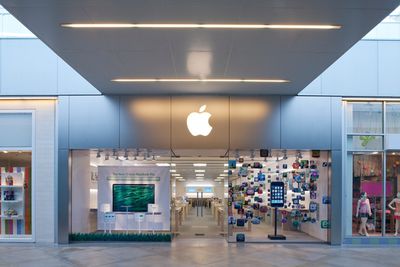
Apple is constructing a spacious new retail store at Westfield Century City in Los Angeles, California, as part of the shopping mall's $1 billion expansion and modernization plans, according to a source familiar with the matter.
Apple's upcoming retail store at Westfield Century City
Apple will be in a prime location at the center of the mall, described as the crossroads of the project. The new store will be next to indoor bike company Peloton, and opposite an upcoming Rolex watch store, the person said.
It's unclear when the new store will open, but Westfield expects to complete the final phase of the mall's renovation plans by the end of the year. Given that timeline, Apple's grand opening should be no later than in the spring.
Apple's current store at Century City opened in June 2005 and has significantly less square footage. The larger store will provide the space needed to accommodate more products, increased customer traffic, and Today at Apple sessions.
Apple's current store at Westfield Century City
The new store will also be based on Apple's latest retail design, including large glass doors, sequoia wood tables and shelves, a large video screen for Today at Apple sessions, and light boxes spanning the length of the ceiling.
All new Apple retail stores opened since September 2015 have been based on the updated design, including Apple's flagship Union Square location in San Francisco. Apple has also renovated over 40 existing stores with the newer look.
Westfield Century City's makeover also includes the West Coast's first Eataly, new public areas and landscaped open-air plazas, double its parking capacity, a new 156,000 square foot Macy's, and dozens of other new shops and restaurants.
Demand for Apple's high-end flagship iPhone X is "very likely" to cannibalize iPhone 8 pre-orders, predicts KGI Securities analyst Ming-Chi Kuo in a note sent out to investors this morning.
iPhone pre-orders traditionally sell out in September due to high demand, but this year, many models of the iPhone 8 and the iPhone 8 Plus were available for launch day delivery through the weekend, and continue to remain readily available for launch day pickup in Apple retail stores.
Kuo, like many of us, believes this is because many customers are awaiting the iPhone X. KGI is "positive on demand" for iPhone X and believes the market will be conservative on iPhone 8 and its suppliers in the near term. High demand for iPhone X, which does not launch until November, could impact Apple's fourth-quarter earnings results.
Historically, it takes 3-6 weeks or more to ship new iPhone models after they are available for preorder, due to initial tight supply and robust demand. However, our latest review indicates it will take less than 1-2 weeks for the iPhone 8. We believe this is because there is a strong likelihood that iPhone X demand will cannibalize iPhone 8 pre-orders
As for the Apple Watch Series 3, Kuo says demand for the LTE version of the device was "significantly stronger" than expected, perhaps due to the "low premium of $70" over the non-LTE version of the watch.
He believes pre-order weighting of the GPS + Cellular version of the Apple Watch to be 80 to 90 percent over the non-LTE version, though that prediction does seem somewhat questionable given the limited number of countries where the LTE version of the device was available for purchase.
Before the media event, we forecasted the production weighting of the GPS + Cellular version would be 30-40%. However, the pre-order website shows shipments of this version are taking much longer than those of the GPS version (3-4 weeks, from shipments launch day of September 22). We estimate the preorder weighting of the GPS + Cellular version is 80-90%.
Apple Watch Series 3 models equipped with LTE began selling out within 15 minutes of when pre-orders became available for the device on Friday, September 15. It will now take a good three to four weeks to get one of the LTE Apple Watch models, with no in-store pickup available at this time.
The first iPhone 8, iPhone 8 Plus, and Apple Watch Series 3 orders will begin arriving to customers on September 22, the official launch date for the devices.
Apple plans to begin accepting pre-orders for the radically redesigned iPhone X on October 27 ahead of a November 3 launch date.
When macOS High Sierra is released to the public next week, the new Apple File System (APFS) feature will be limited to Macs with all-flash built-in storage, which means it won't work with iMacs and Mac minis that include Fusion Drives.
Macs with Fusion Drives were converted to APFS during the beta testing process in the first macOS High Sierra beta, but support was removed in subsequent betas and not reimplemented.
With the release of the Golden Master version of the software, Apple has confirmed APFS will not be available for Fusion Drives and has provided instructions for converting from APFS back to the standard HFS+ format.
Public Beta testers who had a Mac with a Fusion Drive converted to APFS will need to follow a long list of instructions to convert back to HFS+, including making a Time Machine Backup, creating a bootable installer, and using Disk Utility to reformat their Macs and reinstall macOS High Sierra.
Apple on September 5 published a support document confirming compatibility. When customers with an all-flash machine upgrade to macOS High Sierra install the update next week, their drives will be converted to AFPS. Apple explicitly says "Fusion Drives and hard disk drives aren't converted."
Apple says APFS will not be supported on Fusion Drives "in the initial release of macOS High Sierra," which suggests support could be added for Fusion Drives at a later date after lingering bugs are worked out.
Apple File System is a more modern file system than HFS+ and is optimized for solid state drives. It is safe and secure, offering crash protection, safe document saves, stable snapshots, simplified backups, and strong native encryption.
It's also more responsive than HFS+ with features like instant file and directory cloning, fast directory sizing, high performance parallelized metadata operations, and sparse file writes.
Apple plans to release macOS High Sierra on Monday, September 25.
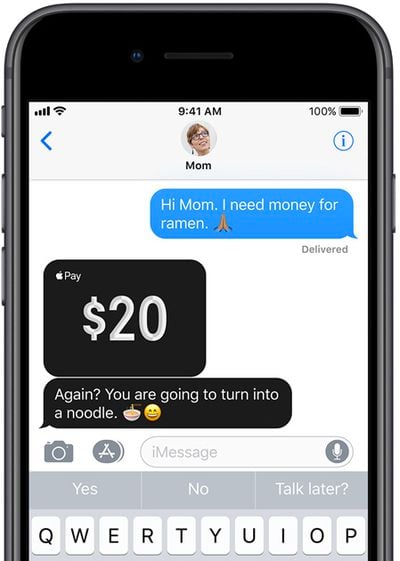
Apple today confirmed that Apple Pay Cash will be released as part of a future update to iOS 11 and watchOS 4.
Coming this fall with an update to iOS 11 and watchOS 4, Apple Pay users will be able to send and receive money from friends and family quickly, easily and securely. Pay and get paid right in Messages, or tell Siri to pay someone, using the credit and debit cards they have in Wallet. When users get paid, they receive the money in their new Apple Pay Cash card in Apple Wallet and can use the money instantly.
Apple added a "Coming This Fall" label to Apple Pay Cash on its website recently, so it was already likely the new feature won't be available on iOS 11 launch day tomorrow, and now we know for certain.
Apple Pay Cash is a new peer-to-peer payment service that enables iPhone, iPad, and Apple Watch users to send and receive money.
When the feature launches, users will launch the Messages app, tap on the App Store icon, select Apple Pay from the app drawer, set the dollar amount, tap pay, select a payment card, and securely authenticate with Touch ID or Face ID.
The payment card can be any debit or credit card linked to Apple Pay in the Wallet app, or the Apple Pay Cash card.
The recipient taps on the message to receive the funds, which are instantly added to the Apple Pay Cash card in the Wallet app. The card's funds can be used to make purchases using Apple Pay, or withdrawn to a bank account.
Apple Pay Cash will be free to use with the Apple Pay Cash card and debit cards, but it will have an industry standard three percent fee for credit card transactions to cover processing costs, according to Recode.
Apple Pay Cash will only be available in the United States at launch. Apple has yet to share details about a wider rollout.
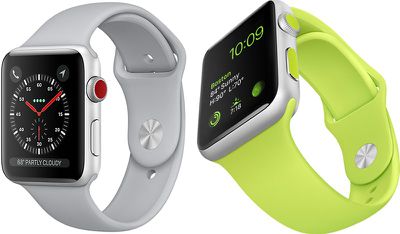
While the new Apple Watch Series 3 looks virtually identical to Series 2, the cellular models feature a red Digital Crown.
Apple Watch Series 2 with green WatchDots stickers on right
Fortunately, for those who plan on upgrading but don't like the color choice, it can easily be changed with WatchDots.
WatchDots are tiny, vinyl stickers that cover the Digital Crown and Side button. They're available in a wide variety of colors, including white, black, midnight blue, yellow, orange, gold, sport green, sport blue, sport pink, fog, walnut, antique white, magenta, and other band-matching options.
MacRumors editor Juli Clover reviewed WatchDots a few years ago and was generally positive about the way they looked and held up:
My WatchDots have been on my Apple Watch for about two weeks now and they're looking as good as new. There's been no peeling, even when my watch has gotten wet, and using the Digital Crown and side button a lot hasn't affected them. Since this is a review, I put on and removed several sets of WatchDots, and I can safely say they're not going to cause any damage to your watch. You can peel them right off with a fingernail, but like most vinyl stickers, they're not reusable.
She did experience some residue left behind once, several months after removing the WatchDots, but your mileage may vary.
WatchDots come in sets of three for $9.99, with free shipping within the United States.
With the trade in, Sprint will waive the regular $29.17 charge for 18 months. After at least 12 lease payments, all of which are covered by the promotion, customers can trade in the iPhone 8 and upgrade to a new iPhone.
The limited time offer appears to be available to both new and existing customers who activate at least one new line of service.
Sprint is also offering 50 percent off the 18-month lease of an iPhone 8 to customers who trade in an older smartphone, such as an iPhone 6, iPhone 6 Plus, iPhone 6s, iPhone 6s Plus, Galaxy S7, or Google Pixel.
Until October 31, 2018, Sprint's unlimited talk, text, and data plan costs $50 per month for the first line, and $40 per month for the second line, with up to three additional lines for free with AutoPay and paperless billing.
"Unlimited" has some caveats, including a max of 1080p for streaming video, 1.5 Mbps for streaming music, and 8 Mbps for games. After 23GB of usage in a billing cycle, data deprioritization applies during times of congestion.
Sprint will waive its $30 activation fee for customers who order online or by phone. There may be additional taxes and fees.
Apple recently shared a new trailer for its upcoming Apple Music exclusive documentary, Clive Davis: The Soundtrack of Our Lives. The documentary is about the life of music producer Clive Davis and based on his autobiography of the same name that released in late 2013. Directed by Chris Perkel, the film catalogues the life of Davis from his start at Columbia Records in the 1960s, to his work at record companies like J Records and RCA Music Group in the 2000s.
The new trailer showcases a few of the artists that Davis discovered and mentored over the course of his career: Janis Joplin, Miles Davis, Bruce Springsteen, Alicia Keys, TLC, Usher, Billy Joel, Maroon 5, Whitney Houston, and more. Perkel's documentary offers interviews with some of these artists, as well as archival footage, as they gather to take a look back at Davis' life and career.
More than mere biography, The Soundtrack of Our Lives is a guided tour of cultural revolution from the ’60s to the rise of hip- hop, led by a man who consistently caught the next wave before everyone else—if he didn’t just create the wave himself. In Aretha’s words, Davis is “the greatest record man of all time,” and The Soundtrack of Our Lives is definitive, ceaselessly entertaining proof.
Apple originally bought the rights to Clive Davis: The Soundtrack of Our Lives in April, around the time that the film debuted at the Tribeca Film Festival in New York City. Apple Music has become home to a few music-related documentaries and films since the service launched in 2015, including Taylor Swift's 1989 World Tour Live, the docu-series The Score, and Sean Combs hip-hop documentary Can't Stop Won't Stop.
In the trailer for the new documentary, it's announced that Apple Music subscribers will be able to watch Clive Davis: The Soundtrack of Our Lives beginning Tuesday, October 3.
Apple is offering the choice of a free pair of Beats Solo3, BeatsX, or Powerbeats3 headphones to qualifying students, parents of students, and educators who purchase an eligible Mac, including any new MacBook, MacBook Pro, MacBook Air, iMac, or Mac Pro. Refurbished models are ineligible.
The promotion also offers free BeatsX wireless headphones with the purchase of any new 10.5-inch or 12.9-inch iPad Pro, or students can pay $50 extra for Beats Powerbeats3 or $150 extra for Solo3 wireless headphones. Apple's latest 9.7-inch iPad and iPad mini 4 and refurbished models do not qualify.
The deal is available through Apple's online education store, retail stores, and authorized campus stores, or by calling 1-800-MY-APPLE. Apple's terms and conditions outline full eligibility requirements in each country:
The free Beats are in addition to Apple's education pricing.
The promotion ends Monday, October 2 in participating European countries, including Austria, Belgium, Czech Republic, Denmark, Finland, France, Germany, Hungary, Ireland, Italy, the Netherlands, Norway, Poland, Portugal, Russia, Spain, Sweden, Switzerland, Turkey, the United Arab Emirates, and the UK.
In certain participating countries, students are required to verify their enrollment or acceptance in a higher education institution in order to qualify for the promotion. Not a student or looking for better deals? Visit our ongoing Apple Deals roundup for other discounts on Apple products and accessories.
Chinese mobile maker Huawei has taken to trolling Apple in a new Facebook ad that pokes fun at the iPhone X's neural engine and urges people to wait for "the real AI phone" – a reference to its upcoming flagship smartphone, the Mate 10, set to debut next month.
The short ad takes aim at Apple's Face ID feature on the new iPhone X, and uses a jaunty clown emoji animation on a smartphone display to imply that unlocking the device using facial authentication is prone to failure.
The tagline accompanying the ad reads, "Let's face it, facial recognition isn't for everyone. Unlock the future with #TheRealAIPhone. 16.10.2017". Apple famously had to defend itself against doubts about Face ID after a live onstage demo of the technology appeared to backfire.
As reported previously, Huawei's Mate 10 is the first phone in the company's line-up to feature the Kirin 970 AI mobile chipset, which has a built-in neural processing unit that utilizes machine learning, making it "20 times faster" than a traditional processor, according to the company.
The Kirin 970 is based on the same 10-nanometer technology as Apple's latest A11 Bionic processor found in the iPhone 8 and iPhone X. Like the A11, the new Huawei chip is also said to be more energy efficient, especially when it comes to handling AI-related functions such as image and voice recognition.
Huawei surpassed Apple’s global smartphone sales for the first time in June and July, according to analysis by consulting firm Counterpoint Research, overtaking the U.S. tech giant as the world's second biggest smartphone brand. This appears to have boosted the Chinese mobile maker's confidence that its Mate 10 is the genuine frontrunner to rival Apple's $999 smartphone, particularly in a Chinese market dominated by inexpensive, high-spec alternatives.
Google today launched a new mobile payment app in India that allows users to connect their bank accounts directly to the service and employs ultrasound technology in lieu of an NFC chip to transfer money between devices.
Called Tez (Hindi for "fast"), Google's new payment platform links customers' bank accounts to Android and iOS via the Unified Payment Interface (UPI), a state-backed payments system. Google has partnered with State Bank of India, the country's biggest lender, HDFC Bank, ICICI Bank, and Axis Bank, with 55 banks in total said to be supporting the service across India.
Tez uses a technology called audio QR that allows mobile users to transfer cash between devices using an inaudible ultrasonic frequency to identify the payer and payee. The system works with any mobile device with a mic and speaker and the Tez app installed, and therefore doesn't require an NFC chip.
India is home to 300 million smartphone users, but most handsets in the country don't feature NFC, so Google's audio QR solution is being marketed as a secure mainstream alternative. Apart from typical mobile transactions to pay for everyday items, Google says small businesses can also use the app to accept payments into their bank accounts, with payments from mobile merchants supported, too.
According to Bloomberg, digital transactions have surged after the Indian Government banned high-value cash notes in 2016. Tez is available on both Android and iOS, and Google plans to release the app in other emerging countries including Vietnam, Indonesia, and Thailand. Apple has yet to launch Apple Pay in any of the aforementioned countries and is still negotiating with the Indian government about bringing its own mobile payment system to the country. Apple Pay Cash, Apple's peer-to-peer mobile payment feature, is set to launch in the U.S. with the official release iOS 11 this month.
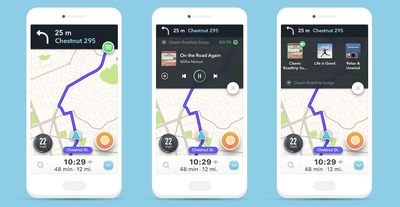
Waze and Spotify today announced that an update previously launched on Android smartphones is now making its way to iOS devices, bringing Spotify music playback controls right into Waze's crowd-sourced navigation app. Conversely, you'll also be able to start Waze's GPS navigation from within the Spotify iOS app.
As long as the two apps are installed and you agree to link both accounts together, you'll gain access to a subset of Spotify controls in Waze. At the top of the navigation screen there will be a small Spotify icon, which you can tap to access playback controls, change playlists, and jump directly to Spotify.
Waze said that safety remains a priority with today's update, encouraging drivers to keep their iPhone docked with the app open nearby to focus on the road. Both Waze and Spotify mentioned that the new integration should help further combat distracted driving, thanks to a few streamlined features that reduce the need to toggle between multiple apps. These include automatic music playback when Waze navigation begins, only letting you browse playlists when the car is stopped, and more.
Finlay Clark, UK head of Waze, says: “We are delighted to team up with Spotify to create a new function that allows iOS Wazers to enjoy their favourite music, while being re-routed around traffic in real- time.
“Safety is our priority at Waze. By discouraging drivers from tapping their device to switch between apps while on the move, we believe this partnership presents a valuable way for drivers in the UK to use their favourite technologies whilst concentrating fully on the road ahead.”
Although the announcement came out of Waze's United Kingdom office, the company confirmed that its integration with Spotify is beginning to roll out globally today in markets that support both apps.
Both Waze and Spotify are available to download on the iOS App Store for free.
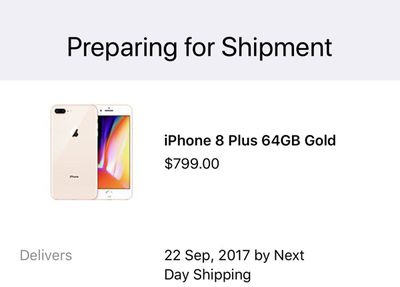
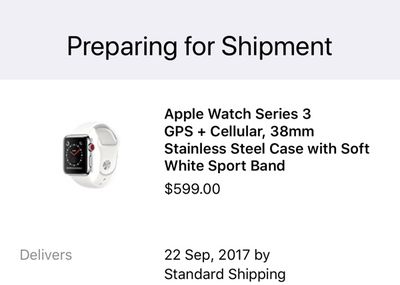
The first iPhone 8, iPhone 8 Plus, Apple TV 4K, and Apple Watch Series 3 orders began shipping out to customers today ahead of a promised delivery date on Friday, September 22, the official launch date for all of the devices.
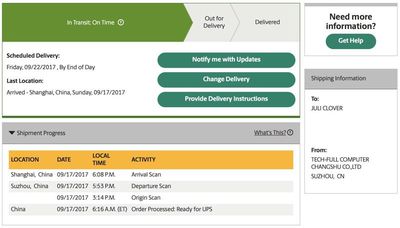
Apple hasn't updated its order statuses from "Preparing for Shipment" just yet, but packages shipping via UPS are already in transit and can be tracked using a UPS My Choice account or in some cases, by reference number on the UPS website after inputting a phone number associated with an order.
As MacRumors forum members have discovered, many iPhone 8 and 8 Plus devices are shipping from Pennsylvania, while some Apple Watch and Apple TV 4K orders are coming from China. Official shipment notifications from Apple should start going out soon. Not all orders are trackable just yet.
Pre-orders for the three devices started on Friday, September 15 at 12:01 a.m. Pacific Time, and initial orders shifted to preparing for shipment across Friday night and Saturday afternoon.
While newly released iPhone models often sell out following pre-orders, supplies of the iPhone 8 and iPhone 8 Plus are plentiful. SIM-free and some T-Mobile models are listing shipping dates of one to two weeks for home delivery, but are readily available for in-store pickup. Other models remain in stock.
Launch day supplies in retail stores around the world should also be largely available, and the traditional stock shortages and long lines that we generally see before an iPhone launch aren't likely to happen with the iPhone 8 and 8 Plus.
As for the Apple Watch Series 3 with cellular functionality, that's harder to come by. LTE Series 3 Apple Watches have largely sold out at this point and won't ship out for a good three to four weeks. Non-LTE models remain in stock.
The new Apple TV 4K is also a bit more limited than the new iPhone models, and orders placed now won't be delivered until October, with the 64GB model harder to come by than the 32GB model.
The first Apple Watch Series 3, Apple TV 4K, and iPhone 8 and iPhone 8 Plus orders will begin arriving to customers on Friday, September 22, with customers in Australia and New Zealand being the first to get their hands on the new devices.
A day after Apple began accepting pre-orders for the iPhone 8, iPhone 8 Plus, and Apple Watch Series 3, the first orders have shifted to "preparing for shipment" ahead of a promised Friday, September 22 delivery date.
Apple began preparing Apple Watch Series 3 orders starting yesterday afternoon, while the order status of the iPhone 8 and iPhone 8 Plus appears to have started changing this afternoon. Apple TV 4K orders have not yet updated to preparing for shipment, but that should happen soon.
Pre-orders for all three devices started at 12:01 a.m. Pacific Time on Friday, September 15. While some SIM-free and T-Mobile iPhone 8 and iPhone 8 Plus models sold out relatively early for home shipping, supplies of other devices have remained strong. It should be no problem to pop into an Apple Store on launch day and pick up an iPhone 8 or 8 Plus.
It may be more difficult to get one of the new Apple Watch Series 3 models with LTE connectivity, as several configurations did sell out and list shipment dates of a few weeks. In-store pickup is also unavailable for these models. Non-LTE models are, however, readily available.
Orders that have been updated to "preparing for shipment" status should begin officially shipping out over the course of the next day or two. The first orders will arrive on Friday, September 22, with customers in New Zealand and Australia being among the first to get their hands on the new devices.
Update: Apple TV 4K orders have now started shifting to Preparing for Shipment too.
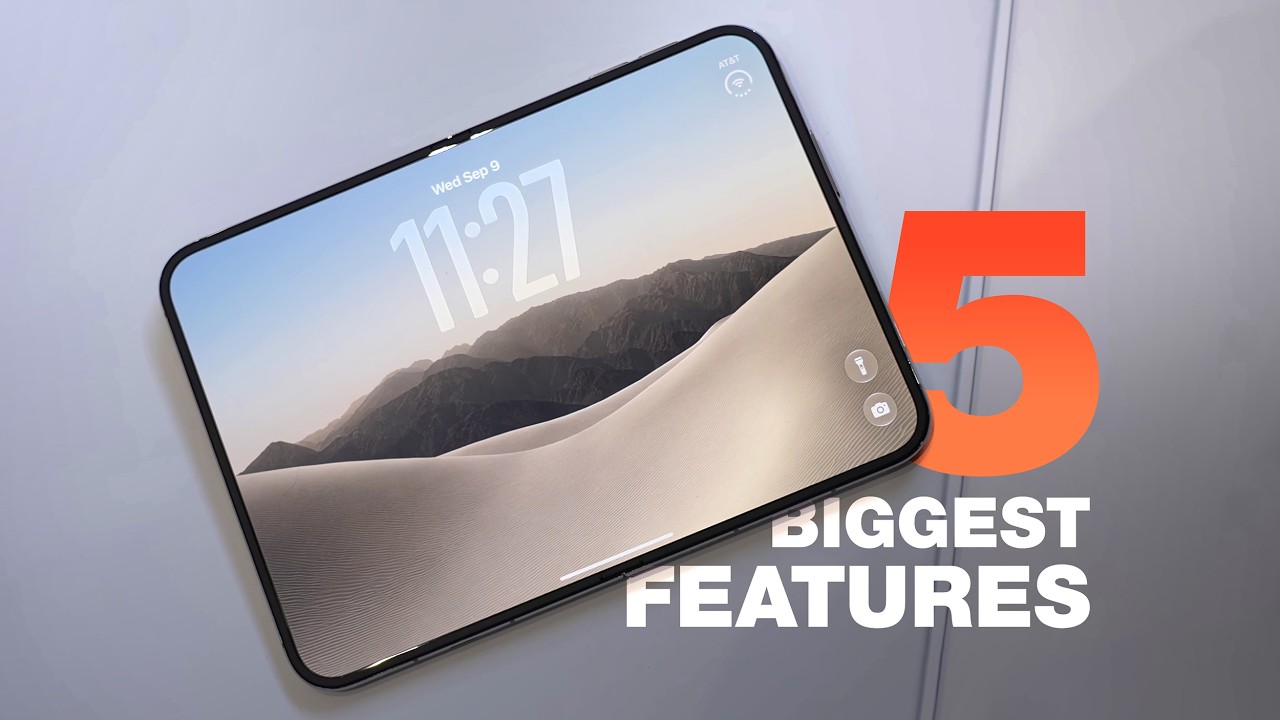
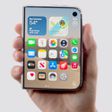
Apple's first foldable iPhone, with a book-style design featuring a 5.4-inch outer display and a 7.6-inch inner display with a minimal crease down the middle.


 Apple officially releases iOS 11 on Tuesday, September 19, and a host of new iPhone and iPad features are coming with it, such as a revamped Control Center, a new Files app, Drag and Drop gestures, and several other updated design elements.