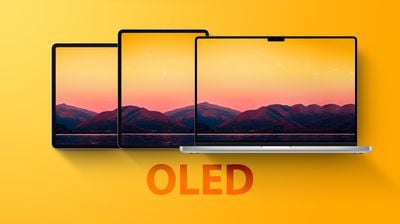
One of Apple's leading mini-LED suppliers says demand for displays in consumer products is shrinking while demand for mini-LED in other use cases is rising as Apple eyes a transition to move its iPad and MacBook line to OLED displays in the coming years.
A new report from DigiTimes today cites industry sources within Epistar, which has been providing mini-LED displays to Apple for some time, saying that demand for mini-LED displays for use in consumer electronic devices is decreasing and that it expects demand for mini-LED displays for use in dashboards and displays for vehicles to spike in 2023.
A report last week suggested Samsung is now prioritizing the development of specific types of OLED displays that Apple plans to use in upcoming iPad Pro models. According to reports, Apple is expected to announce the first iPad Pro with an OLED display in 2024, which has sparked mini-LED suppliers to eye other applications for its displays, according to DigiTimes.
Monday September 14, 2026 2:04 pm PDT by Joe Rossignol
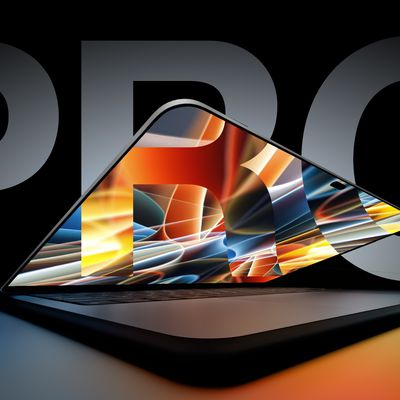
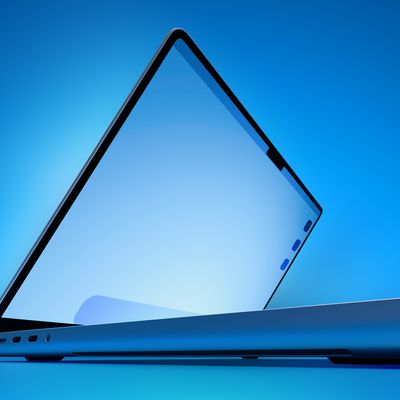
Apple's rumored 14-inch and 16-inch MacBook Pro models with touch-enabled OLED displays are currently being tested with macOS 27.1, which is scheduled for release in late October, according to the latest word from Bloomberg's Mark Gurman.
While he previously said these high-end MacBook Pro models would be released in either late 2026 or early 2027, Gurman's latest report today has the...
Thursday October 8, 2026 1:31 pm PDT by Juli Clover
Apple will introduce new OLED touchscreen MacBook Pro models and an OLED iPad mini "on or around" Tuesday, October 27, reports Bloomberg. The launch will also include an M6 14-inch MacBook Pro and an M6 iMac.
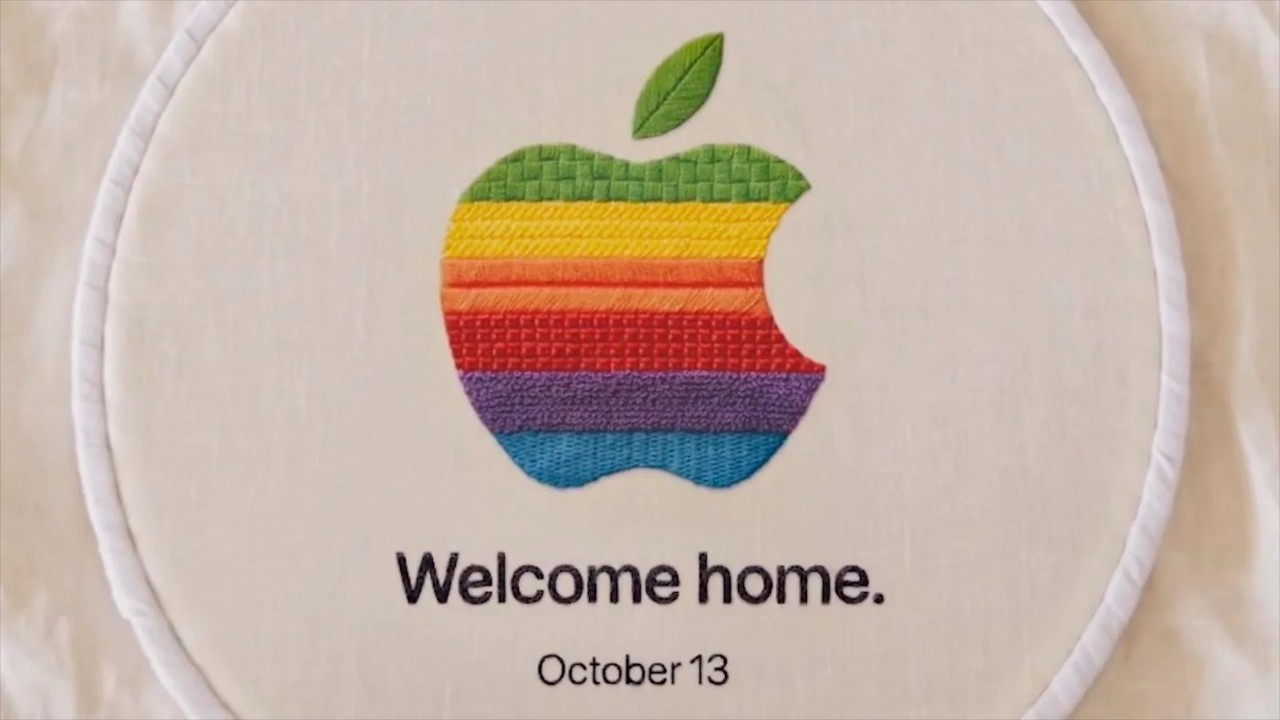
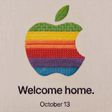
The October 27 follows Apple's October 13 debut of a new smart home hub, a revamped Apple TV 4K, and a refreshed HomePod mini. Earlier this month, MacRumors reported that Apple would do ...
Thursday October 1, 2026 7:24 am PDT by Joe Rossignol
On his first-ever Power On podcast today, Bloomberg's Mark Gurman said that he believes Apple will introduce its long-rumored 14-inch and 16-inch MacBook Pro models with touch-enabled OLED displays in October or November this year.
"Apple, I believe, will introduce its first touchscreen MacBook Pro this fall, as early as October," he said. "It could slip to November, but as early as...
I have an LG C2 OLED next to my Pro Display XDR, and 16" miniLED MacBook Pro and the OLED absolutely destroys them both in terms of picture quality when watching films and TV.
OLED will be used on consumer Apple products, mini-LED on prosumer ones. Apple needs HDR across the board, sufficiently bright OLED is a “cheap” way to get there. But it won’t replace miniLED and local dimming any time soon. Next evolutionary step is then micro-LEDs which will replace both.
I would say it’s the opposite. OLED is far superior to MiniLED in HDR as it has effectively millions of dimming zones vs; 2500 on the MiniLED making for a much more impressive contrast ratio. Yes it isn’t as bright but it doesn’t need to hit the same brightness due to higher perceived contrast. This is a-art from the much better Color volume OLED provides especially QD OLED
I have an OLED monitor, OLED TV AMD a MiniLED iPad and in the dark the OLED just crushes the MiniLED.
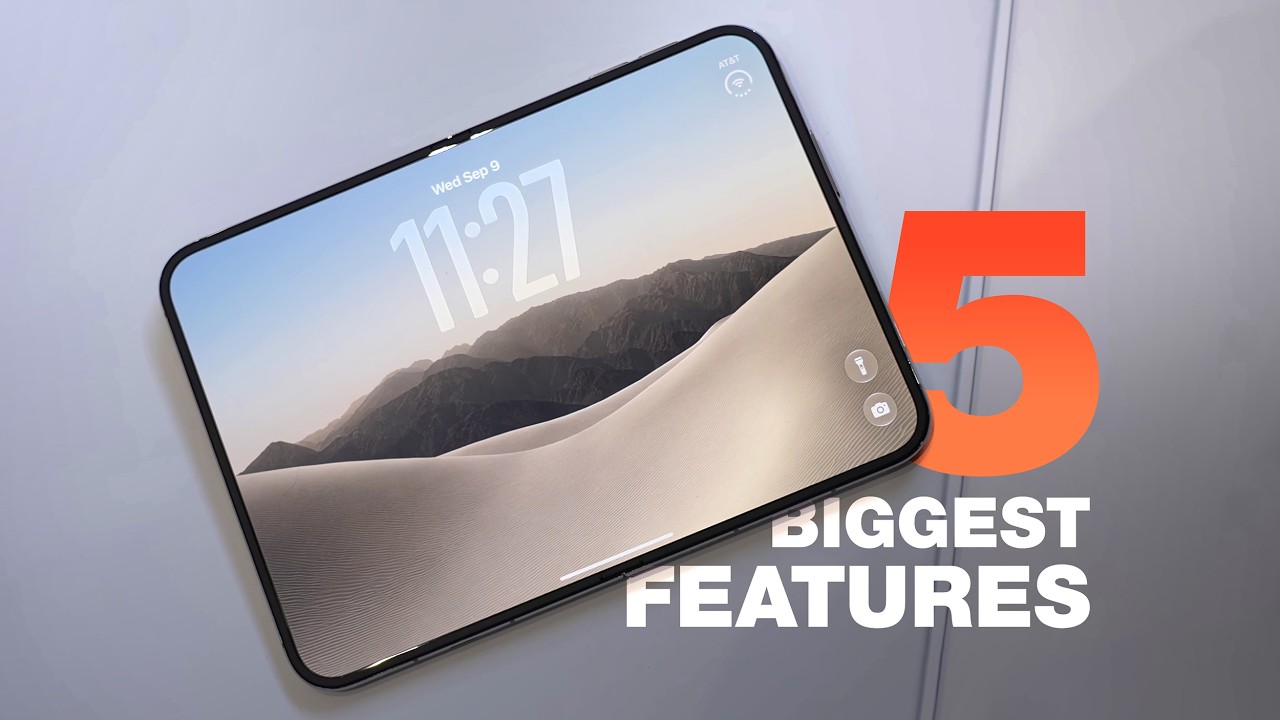
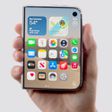
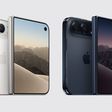
Apple's first foldable iPhone, with a book-style design featuring a 5.4-inch outer display and a 7.6-inch inner display with a minimal crease down the middle.