Apple Ordered to Pay $3.3 Million in Japanese Lawsuit Over iPod Click Wheel Patent
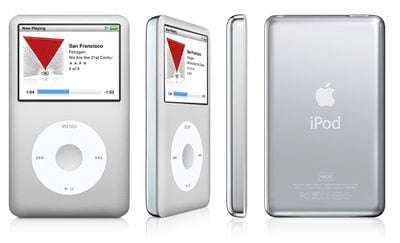
Apple has been hit with a judgment for ¥330 million ($3.3 million) in a Japanese court case over infringement of a patent by the company's click wheel system used on a number of past iPod models and the current iPod classic, reports Dow Jones Business News.
The Tokyo District Court on Thursday ordered Apple Inc. ( AAPL ) to pay Y330 million in damages to Japanese inventor Norihiko Saito in a patent infringement case involving the U.S. firm's iPod music player, Kyodo News reported.
The patent that Mr. Saito's company applied for in 1998 covers a technology for the Click Wheel controller that Apple has adopted for the music player in Japan since 2004, Presiding Judge Teruhisa Takano said in the ruling.
Saito had filed an injunction request against Apple back in 2007, and as settlement negotiations failed to result in any agreement, he eventually increased his damages request to ¥10 billion ($101 million). The court ruled, however, that Apple's infringement warranted the much smaller judgment.
Popular Stories
In May, Apple agreed to pay $250 million to settle a U.S. class action lawsuit over Siri AI's delayed launch, and the settlement website is now live.
Apple will pay an estimated $25 per eligible iPhone to eligible customers, who can submit a claim via the settlement website between September 21 and December 21 of this year. The exact payment may be higher or lower than $25 depending on the...
Apple's 20th-anniversary iPhone lineup could feature slightly larger displays than the iPhone 18 Pro models, if a new leak shared on Weibo is accurate.
Prolific Chinese leaker Digital Chat Station claims that early iPhone 20 Pro display specifications include a 6.41-inch screen with a resolution of approximately 2,686 × 1,236 pixels, while the iPhone 20 Pro Max is said to have a 6.96-inch...
Apple is developing an all-new operating system that is essentially a mix of tvOS, watchOS, and iOS, according to Bloomberg's Mark Gurman.
In his latest Power On newsletter, Gurman reiterated that the operating system will feature a grid of app icons, widgets, and customizable clock faces.
The new software platform is intended for Apple's long-rumored smart home hub. With built-in facial...