Sunday September 13, 2026 3:00 am PDT by Eric Slivka
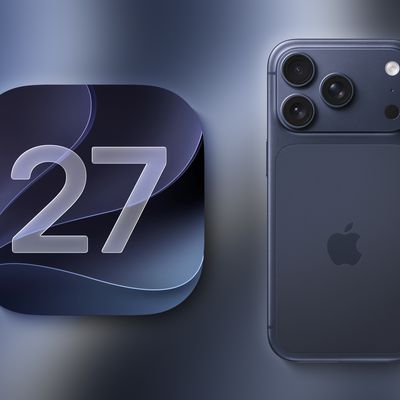
Apple is about to release iOS 27, which will finally deliver more advanced Siri AI capabilities as well as a variety of other refinements, improvements, and new features to iPhones. It's Apple's biggest software update of the year, and Apple announced at Wednesday's iPhone event that it will be releasing iOS 27 sometime today – Monday, September 14.
iOS 27 won't be the only release today,...
Saturday September 12, 2026 3:27 pm PDT by Joe Rossignol
As noted by Nicolas Lellouche, who writes for the French tech website Numerama, Apple has updated its tech specs pages for the iPhone 18 Pro and iPhone 18 Pro Max to clarify which models are equipped with its new C2 cellular modem and where.
Apple now says the iPhone 18 Pro has a C2 modem worldwide, while the iPhone 18 Pro Max uses the chip in every country except for the U.S.
According...
Friday September 11, 2026 4:42 am PDT by Tim Hardwick
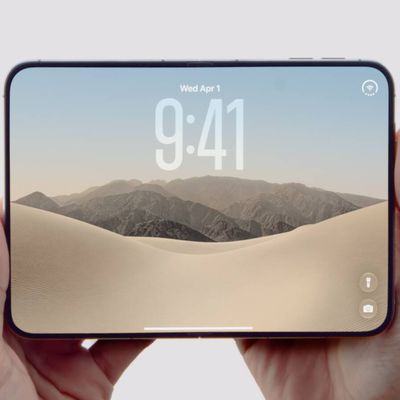
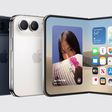
Production theater company IMAX has responded in a mixed way to Apple's embrace of a 1:1.4 aspect ratio on the iPhone Duo's inner and outer displays. The boxier ratio happens to be very close to the classic "full-frame" IMAX 1.43:1 aspect ratio, which comes from the geometry of the company's original 15-perforation/70mm film system.
In response to an X post from someone wondering if we'll see...
Somehow it seems obvious to me... use LTE like you use your smartphone: to look stuff up and do useful things like emailing and checking news/weather when youre away from WiFi and the task isnt well suited to your phone. Then use WiFi for the massive tasks like streaming video. Are there really that many people who watch a lot of video and yet think their LTE plan is a full replacement for WiFi? That seems like an odd mix of being tech-savvy and being clueless.
Even if this is an option, it sucks to decide what you want before you're ready to watch. It can be impossible to know in advance what kind of mood you'll be in at a later time, when you're able to consume the content.
I've been a wifi-only iPad user all along, and get by just fine. Can understand how cellular iPad owners are frustrated thou.
I don't tweet but the hashtag #firstworldproblems seems appropriate here.
Remember when you had to go to Blockbuster to rent DVD movies, and you'd end up taking several home, not knowing if you'd still be in the mood to watch them by the time you had the opportunity?
Remember when you went to Blockbuster to rent VHS movies, and if you wanted to go back to a scene you had to hit rewind and wait for the spooled tape to get to the spot you wanted to see again? Be sure to rewind the tape before you turn it in, or there will be an additional fee.
Remember when to rent movies you had to join a club where you paid $45 to get in, and you still had to pay $3 each time you exchanged your one rented movie for another (though at least at the end of the six-month membership you got to keep the last tape you rented)?
Remember when renting movies was done at a little Fotomat kiosk in the middle of a parking lot where you dropped off film for overnight developing? You chose from a couple of Xerox pages of movies. I think you had to reserve the movie and come back the next day to get it. It was $8 (in 1981 dollars) for a three-day rental of a Beta videocassette.
Remember when you just had to watch what was on TV? If it was a Saturday afternoon, you had better be in the mood for badly-dubbed Japanese sci-fi.
I remember all of it, and I can't believe how easy we have it now in terms of entertainment choices.
anyone else feel like this will lead to fragmentation?
No. The non-retina artwork is still there. Also the iPhone artwork (both retina and non-retina).
For the near future, I think Apple would reject any "retina-only" apps, while they are still selling non-retina iPads.
The only fragmentation is "iPad only" or "iPhone only" apps, and a few that just require more horsepower than older iPhones or iPads can give. That's more obsolescence than fragmentation.
Even apps that take full advantage of the GPU in the new iPad will probably still work on the iPad 2--just with simpler shading and lighting, and of course, lower resolution.


 Netflix's iOS App has been updated with new iPad Retina icons and images. The actual video stream hasn't yet been updated to High Definition.