AT&T Fined $100 Million by FCC for Unlimited Data Throttling Practices
 The United States Federal Communications Commission today announced plans to fine AT&T $100 million for misleading customers about its unlimited mobile data plans. Following an investigation, the FCC is accusing AT&T of severely slowing down the data speeds of customers with unlimited data plans and failing to adequately warn them about the slower data speeds.
In 2011, AT&T implemented a "Maximum Bit Rate" policy and capped the maximum data speeds for unlimited customers after they used a set amount of data within a billing cycle. The capped speeds were much slower than the normal network speeds AT&T advertised and significantly impaired the ability of AT&T customers to access the Internet or use data applications for the remainder of the billing cycle.
The FCC says AT&T violated the 2010 Open Internet Transparency Rule by falsely calling its plans "unlimited" and by not informing customers of the maximum speed they would receive under AT&T's Maximum Bit Rate policy. Millions of customers suffered slow data speeds, with some seeing speed reductions for 12 days per month on average.
On the decision, FCC chairman Tom Wheeler had this to say: "Customers deserve to get what they pay for. Broadband providers must be upfront and transparent about the services they provide. The FCC will not stand idly by while consumers are deceived by misleading marketing materials and insufficient disclosure."
AT&T ceased offering unlimited data plans years ago, but it continues to have customers with grandfathered unlimited data plans. AT&T previously throttled all of those customers after they exceeded 5GB of LTE data, but in May, AT&T implemented a policy change that sees customers being throttled only when connected to a cell tower experiencing network congestion.
Along with facing a $100 million fine levied by the FCC, AT&T is also involved in an ongoing lawsuit with the Federal Trade Commission over the same issue.
Popular Stories
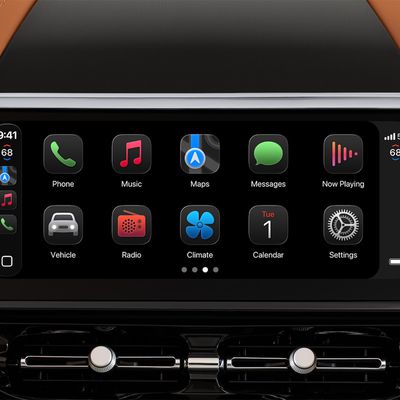
Last year, Apple launched CarPlay Ultra, the long-awaited next-generation version of its CarPlay software system for vehicles. Nearly a year later, CarPlay Ultra is still limited to Aston Martin's latest luxury vehicles, but that should change fairly soon.
In May 2025, Apple said many other vehicle brands planned to offer CarPlay Ultra, including Hyundai, Kia, and Genesis.
CarPlay Ultra...
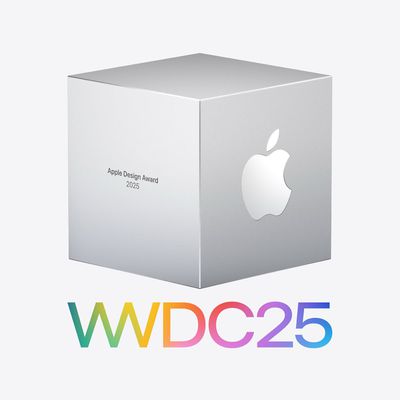
As we wait for WWDC to kick off next Monday, Apple today announced the winners of its annual Apple Design Awards, recognizing apps and games for their innovation, ingenuity, and technical achievement.
The 2025 Apple Design Award winners are listed below, with one app and one game selected per category:
Delight and Fun - CapWords (App) and Balatro (Game)
Innovation - Play (App) and PBJ -...
Apple's iPhone development roadmap runs several years into the future and the company is continually working with suppliers on several successive iPhone models at the same time, which is why we often get rumored features months ahead of launch. The iPhone 18 series is no different, and we already have a good idea of what to expect for the iPhone 18 Pro and iPhone 18 Pro Max.
One thing worth...
Popular Stories
Last year, Apple launched CarPlay Ultra, the long-awaited next-generation version of its CarPlay software system for vehicles. Nearly a year later, CarPlay Ultra is still limited to Aston Martin's latest luxury vehicles, but that should change fairly soon.
In May 2025, Apple said many other vehicle brands planned to offer CarPlay Ultra, including Hyundai, Kia, and Genesis.
CarPlay Ultra...
As we wait for WWDC to kick off next Monday, Apple today announced the winners of its annual Apple Design Awards, recognizing apps and games for their innovation, ingenuity, and technical achievement.
The 2025 Apple Design Award winners are listed below, with one app and one game selected per category:
Delight and Fun - CapWords (App) and Balatro (Game)
Innovation - Play (App) and PBJ -...
Apple's iPhone development roadmap runs several years into the future and the company is continually working with suppliers on several successive iPhone models at the same time, which is why we often get rumored features months ahead of launch. The iPhone 18 series is no different, and we already have a good idea of what to expect for the iPhone 18 Pro and iPhone 18 Pro Max.
One thing worth...