

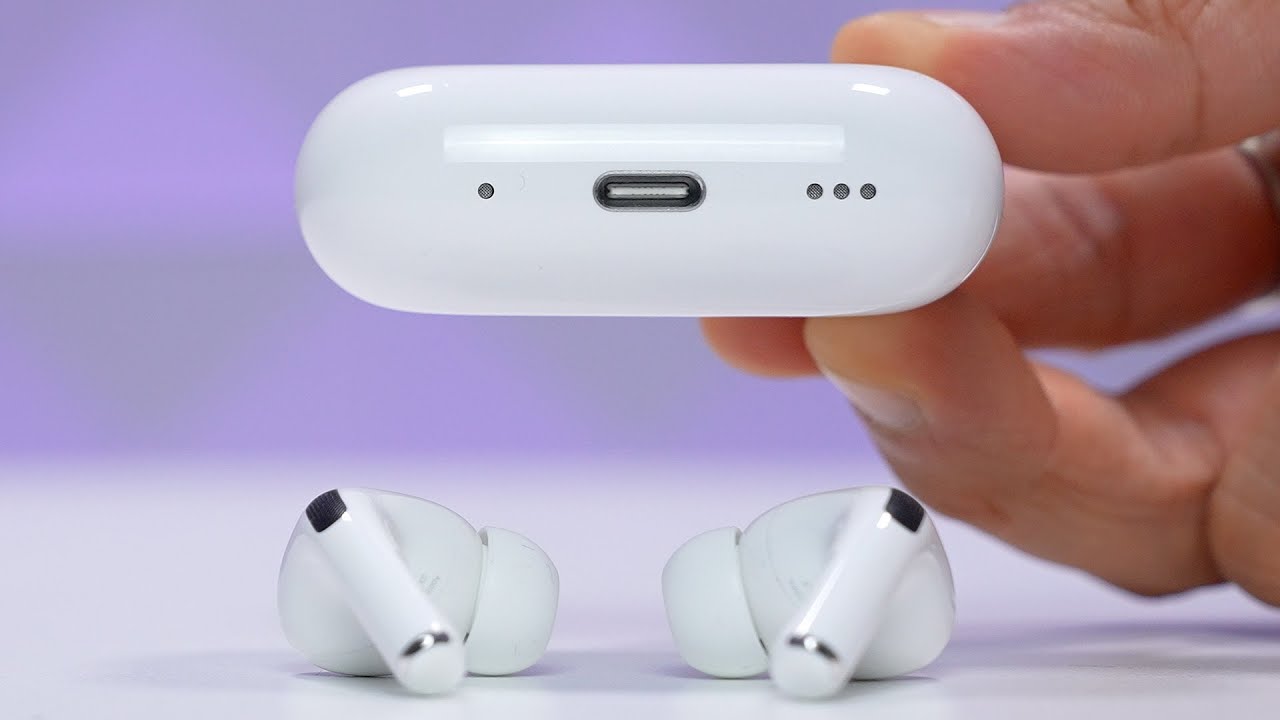
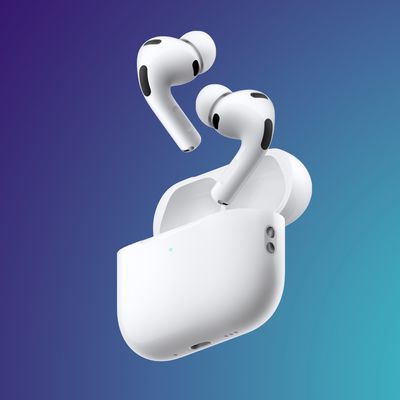
At its iPhone 15 event last week, Apple announced updated second-generation AirPods Pro with a USB-C charging case, additional dust resistance, and support for lossless audio with Apple's upcoming Vision Pro headset. Apple still classifies these as second-generation AirPods Pro, and it does not sell the USB-C case separately.
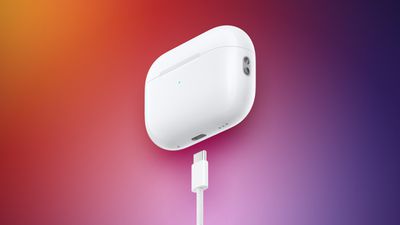
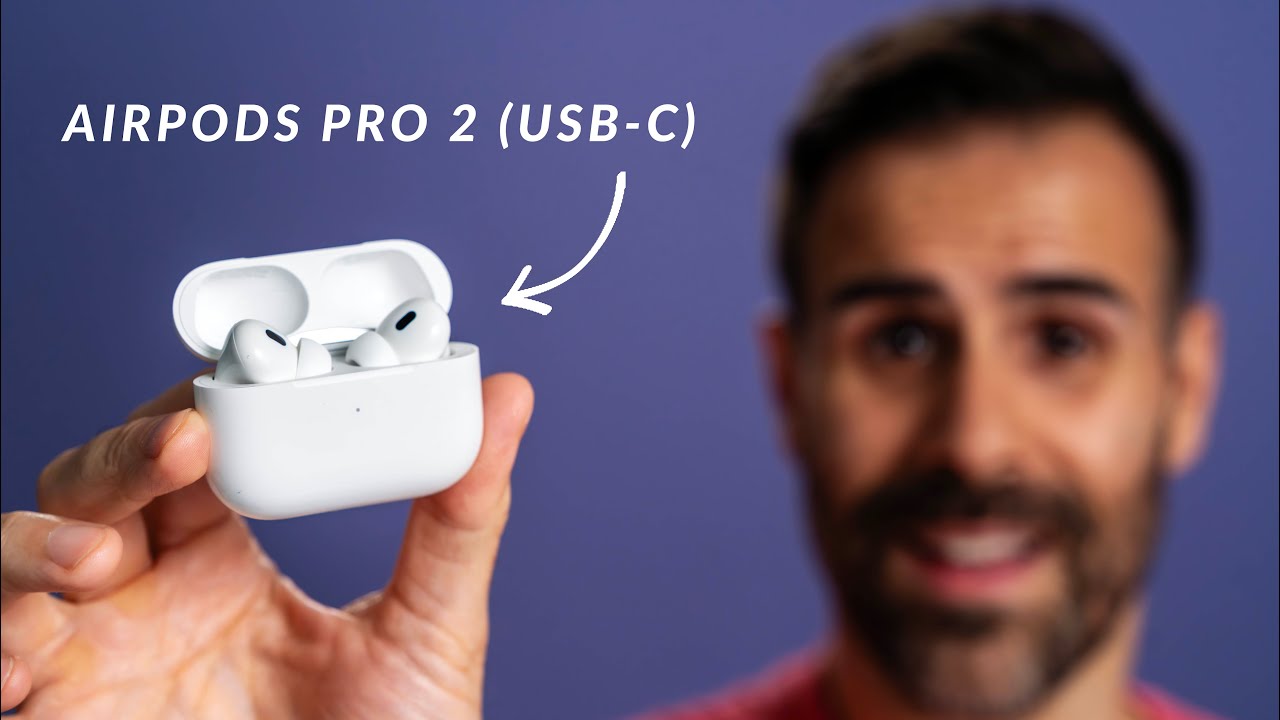
The updated AirPods Pro have been available to order since last week, and will begin arriving to customers and launch in stores on Friday. Ahead of time, select media outlets and YouTube channels have shared first impressions of the updated earbuds.
There is minimal commentary about the hardware changes, with most reviews agreeing that there is little reason for existing second-generation AirPods Pro users to upgrade. USB-C is a convenient addition, additional dust resistance is welcomed, and lossless audio support cannot be tested until the Vision Pro launches in the U.S. in early 2024.
iOS 17 adds several features to all second-generation AirPods Pro, including Adaptive Audio, Conversation Awareness, and Personalized Volume. Keep in mind that these software features are also available on the original second-generation AirPods Pro released in September 2022, so there is no need to update to the USB-C model to use them.
The Verge's Chris Welch on Adaptive Audio:
Adaptive Audio is meant to be a set-it-and-forget-it mode that blends active noise cancellation and transparency, canceling loud distractions where needed while also helping you stay present in your environment. In my experience so far, this feature rarely cancels my surroundings to the same degree as the full noise cancellation mode (I wouldn’t use it on a plane), but it reduces outside sound enough to not take away from my music — even at lower volumes. To my ears so far, it’s basically an even smarter version of the adaptive transparency that Apple debuted with last year’s AirPods Pro.
TechCrunch's Brian Heater on Conversation Awareness:
Conversational Awareness is a nice addition. It uses a combination of different sensors to determine when you’re talking. That includes obvious things like built-in mics, coupled with more surprising elements like the accelerometer, which detects vibration to determine that you are, in fact, the one who is talking, without having to resort to something like voice recognition. When that's triggered, the audio begins to lower, effectively getting out of your way when talking.
I was impressed by the detection. It didn't trigger when I, say, coughed, yawned or cleared my throat. When I started talking, however, the music began to lower. It doesn't stay down for any specific set amount of time. The company says it relies on an algorithm to determine such things. Factors include the length of time you're talking, so it doesn't mistake a break in conversation for the end of one.
TheStreet's Jacob Krol on both Adaptive Audio and Conversation Awareness:
It feels almost magical as it works as intended. For instance, sitting in a bustling hotel lobby, you'll encounter background noise and chatter from other patrons nearby; once I engaged Adaptive, it lowers the brunt of the noise, and with music playing, it all becomes very faint. If a louder noise appears, like a cart being pushed through the space, it will process it in real time and lower it specifically.
Let's take a more likely or commonly occurring scenario—I'm walking around my apartment with AirPods Pro, listening to some music with Adaptive on. It lowers the brunt of my HVAC system, similar to how the ANC performs, but I can hear a faint knock on my door as I'm expecting a package from FedEx. I open the door, and thanks to Conversation Awareness turned on, I can start talking, and AirPods Pro automatically switches to Transparency mode.
Inverse's Raymond Wong on Personalized Volume:
Personalized Volume uses machine learning to automatically adjust the volume just for your ears. Apple says Personalized Volume is determined by "environmental conditions and volume selections" over time. I didn't notice any meaningful volume adjustments over a week of testing so I turned it off.



























Top Rated Comments
I now have the APP2 and decided not to purchase AC+. Still under warranty, but I haven't found anything about my APP2 yet that I need to nitpick with before the warranty is up. LOL.