We're likely just a week away from Apple's next iPhone launch, with the company set to introduce the iPhone 17e. The iPhone 17e is a follow-up to the iPhone 16e that came out in February 2025, and rumors suggest that it could have some welcome improvements.
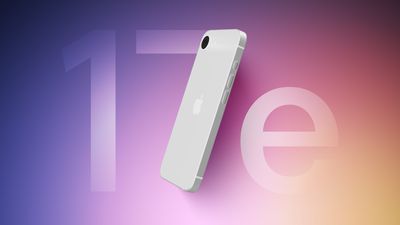
Design
The iPhone 17e is supposedly going to look a lot like the iPhone 16e, featuring the same 6.1-inch display size, single-lens rear camera, and black and white color options.
While the display isn't changing much, the device could have a Dynamic Island instead of a notch, which would be a marked visual difference.
Display
The iPhone 17e is expected to feature the same display panel as the iPhone 16e, which means it will be limited to a 60Hz refresh rate. Apple brought 120Hz ProMotion refresh rates to the standard iPhone 17 in 2025, but the same technology is not expected for the more affordable iPhone 17e.
120Hz refresh rates provide video improvements and smoother scrolling when viewing webpages.
The iPhone 16e does not have always-on display technology, and that's not likely to change with the iPhone 17e. To support always-on, the iPhone 17e would need an OLED display with 1-nit minimum brightness, which is limited to Apple's more expensive iPhones. HDR and brightness are also lacking compared to Apple's flagship lineup.
Though the display isn't changing, there have been rumors suggesting Apple could shrink the bezel size somewhat, allowing for more visible display area.
Dynamic Island
The iPhone 16e continues to feature the notch that Apple has eliminated in its newer flagship iPhones, but the iPhone 17e might do away with it. Rumors suggest that the iPhone 17e will have a Dynamic Island instead of a notch, giving it a more modern look.
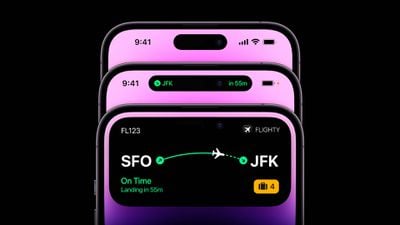
The Dynamic Island is a pill-shaped cutout on the iPhone's display that houses the TrueDepth camera system and the front-facing camera. It takes up less display area than the notch, and it is better integrated into the iPhone.
Apple uses software to change the size and shape of the Dynamic Island to accommodate alerts, notifications, and Live Activities. The Dynamic Island can show everything from Apple Maps turn-by-turn directions to active timers, incoming phone calls, and Face ID activations. It also displays privacy indicators for the microphone or camera, alerts when accessories connect, and indicators for the flashlight, screen recording, incoming AirDrop files, and more.
The Dynamic Island is much more interactive and useful than the notch, because there is an option to tap into the Dynamic Island to access different app features.
One rumor suggests the iPhone 17e will continue to use a notch, so the Dynamic Island upgrade isn't a guarantee.
A19 Chip
The iPhone 17e is expected to use Apple's A19 chip, which was first introduced in the iPhone 17. The A19 chip is built using Apple's upgraded N3P 3-nanometer process, offering a 5 to 10 percent performance improvement over the A18 chip.
Apple could be planning to use a downclocked version of the A19 chip in the iPhone 17e, and if that's the case, its performance won't quite match the iPhone 17's performance.
The A18 chip that Apple used in the iPhone 16e had a 4-core GPU instead of a 5-core GPU like the version from the iPhone 16, so the iPhone 17e could get a similar GPU downgrade.
Aside from the improved CPU and GPU, the A19 has an updated display engine, image signal processor, and Neural Engine for improved AI performance. Every GPU core features a Neural Accelerator to boost the performance of local AI models.
We are expecting the iPhone 17e to continue to include 8GB RAM like the iPhone 16e. Apple's other models have 12GB.
MagSafe Compatibility
The iPhone 16e does not have a magnetic ring for MagSafe charging, but the iPhone 17e could feature MagSafe compatibility. Rumors suggest the iPhone 17e will support magnetic wireless charging, which would be a major upgrade over the iPhone 16e.
Apple's iPhones have used MagSafe since the iPhone 12, so there are a wide array of MagSafe cases and accessories. The iPhone 16e is not compatible with these accessories, which is a major limitation.
Since it doesn't have MagSafe, the iPhone 16e is limited to 7.5W wireless charging speeds. MagSafe would upgrade that to at least 15W. The current iPhone 17 models can charge at 25W over MagSafe, though the iPhone Air is limited to 20W.
Camera
The iPhone 17e is expected to have a single 48-megapixel Wide Angle camera at the back, with no upgrade rumored. The iPhone 16e doesn't have a Camera Control button, and there's no word on whether Apple will bring it to the iPhone 17e.
The iPhone 17 models got an upgraded 18-megapixel Center Stage front-facing camera, but rumors suggest the iPhone 17e will continue to use the same 12-megapixel front-facing camera as the iPhone 16e.
Modem
The iPhone 17e will adopt Apple's C1X modem, the modem chip that Apple first debuted in the iPhone Air. The C1X modem is faster and more efficient than the C1 modem that Apple used in the iPhone 16e.
Apple says the C1X modem is up to 2x faster than the C1, and it is far more energy efficient than Qualcomm modems.
No N1 Chip
While the iPhone 17 models received Apple's new Wi-Fi and Bluetooth "N1" networking chip, leaked Apple code suggests the chip will not be included in the iPhone 17e in order to keep costs down.
Pricing
The iPhone 16e is priced starting at $599, and no price changes are expected for the iPhone 17e.
Launch Date
Apple is holding a "Special Experience" event on March 4, and we are expecting the iPhone 17e to launch during that same week.