Apple Watch Competition to Grow as Google Plans Its Own Wearables Following Fitbit Acquisition
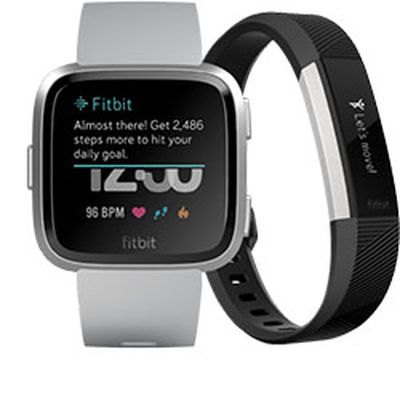 Google today announced it plans to release its own "Made by Google" wearables following its $2.1 billion acquisition of fitness tracker maker Fitbit. The deal is expected to close in 2020 pending regulatory approvals.
Over the years, Google has made progress with partners in this space with Wear OS and Google Fit, but we see an opportunity to invest even more in Wear OS as well as introduce Made by Google wearable devices into the market. Fitbit has been a true pioneer in the industry and has created engaging products, experiences and a vibrant community of users. By working closely with Fitbit's team of experts, and bringing together the best AI, software and hardware, we can help spur innovation in wearables and build products to benefit even more people around the world.
Fitbit confirmed that it will continue to support both Android and iOS, and that Fitbit health data will not be used for Google ads.
Popular Stories
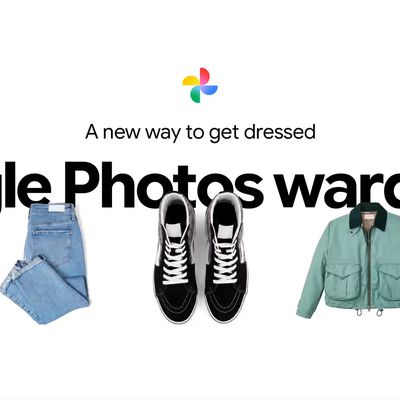
Google today said its digital wardrobe option is available in the Google Photos iOS app in the U.S., India, and Brazil.
Google first announced the feature back in April, but it was limited to Android users until now. The wardrobe option uses AI to pull images of clothing from the Google Photos library, organizing them into a digital closet.
Users can put items together to create outfits ...
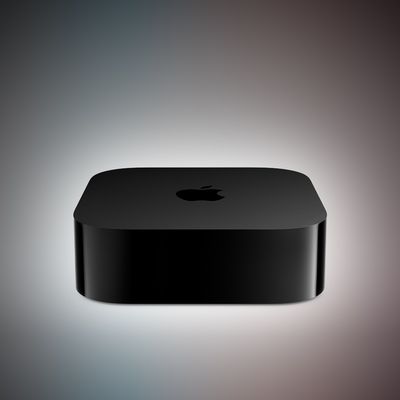
MacRumors contributor Aaron Perris has uncovered an image file from Apple for an unreleased Apple TV 4K, suggesting that a new model will finally be released soon. The image is specifically for an "Apple TV 4K (4th generation)" model.
Apple TV 4K (4th generation) image (on a gradient)
The image reveals that the Apple TV will have the same external design as the current model, with all of its...
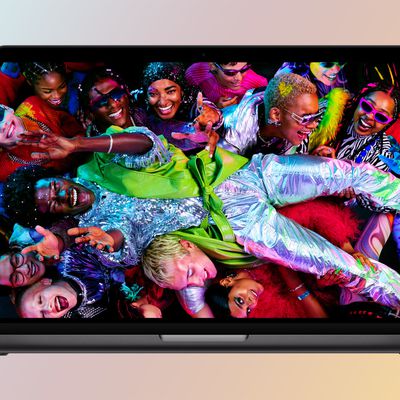
Amazon has introduced a major discount on the 16-inch MacBook Pro with the M5 Max chip, 32-Core GPU, 36GB RAM, and 2TB SSD, now available for $3,499.00, down from $4,399.00. This is a massive $900 markdown on the high-end MacBook Pro, and it's joining a few other MacBook Pro discounts on Amazon this week.
Note: MacRumors is an affiliate partner with Amazon. When you click a link and make a...