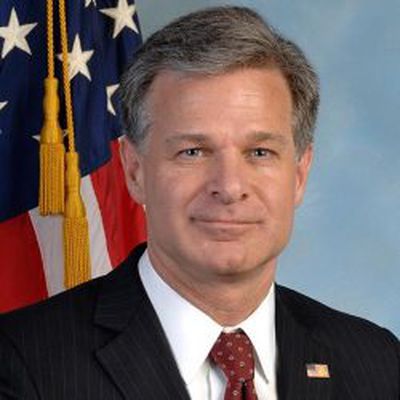
 Encryption should not provide an "unfettered space" for criminals to hide behind, FBI Director Christopher Wray said today in an interview at the RSA conference, a cybersecurity event in San Francisco.
As noted by CNET, Wray said that while the FBI is not seeking backdoors in electronics, encryption needs to have limitations.
"It can't be a sustainable end state for there to be an entirely unfettered space that's utterly beyond law enforcement for criminals to hide," Wray said, echoing a position that law enforcement officials have taken on encryption time and time again.
Apple and other technology companies have been clashing with law enforcement agencies like the FBI and fighting anti-encryption legislation for years now. Apple's most public battle with the U.S. government was in 2016, when the Cupertino company was ordered to help the FBI unlock the iPhone used by Syed Farook, a shooter in the 2015 attacks in San Bernardino.
Apple opposed the order and said that it would set a "dangerous precedent" with serious implications for the future of smartphone encryption. Apple held its ground and the U.S. government backed off after finding an alternate way to access the data on the device, but Apple is continually dealing with additional law enforcement attempts to weaken encryption.
Multiple tech companies, Apple included, have formed the Reform Government Surveillance coalition to promote strong device encryption and fight against legislation calling for backdoor access into electronic devices.
Apple has argued that strong encryption is essential for keeping its customers safe from hackers and other malicious entities. A backdoor created for government access would not necessarily remain in government hands and could put the company's entire customer base at risk.
During the interview, Wray said that encryption is a "provocative subject" and he provided no additional insight into how tech companies might provide strong encryption for customers while also acquiescing to law enforcement demands for device access.
Wray did say that the U.S. is seeing an uptick in threats from "various foreign adversaries" that are using criminal hackers, which suggests the need for strong encryption is greater than ever.
Note: Due to the political nature of the discussion regarding this topic, the discussion thread is located in our Politics, Religion, Social Issues forum. All forum members and site visitors are welcome to read and follow the thread, but posting is limited to forum members with at least 100 posts.

































![Apple Pulls Keynote, Pages and Numbers From App Store [Update: Back]](https://images.macrumors.com/t/Okb7kitB_gNr6qe5Pex9nQIysD8=/112x112/article-new/2026/01/Apple-Creator-Studio-iWork-suite.jpg)