Unauthorized iPhone 8, 8 Plus and X Display Replacements Can Break Ambient Light Sensor - MacRumors
Skip to Content

Unauthorized iPhone 8, 8 Plus and X Display Replacements Can Break Ambient Light Sensor

iPhone 8, iPhone 8 Plus, and iPhone X models that have been repaired with a new display by an unauthorized third-party repair outlet are affected by a problem where the fix seems to disable the device's ability to adjust brightness automatically, according to report from Engadget and Motherboard.

The issue appears to impact replacement displays installed by non-Apple certified repair shops even when using genuine Apple parts, and it seems to be related to the functionality of the ambient light sensor. It is not a problem that affects display components replaced by Apple or an Apple Authorized Service Provider.
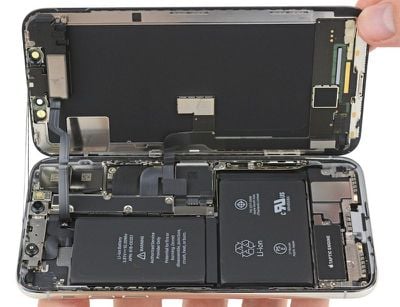
iphone x teardown

iPhone X internal image via iFixit

According to Engadget, the aftermarket repair community has confirmed the issue in multiple countries and in several versions of iOS, including iOS 11.1, iOS 11.2, and iOS 11.3. Engadget also experienced the bug first hand after swapping the displays of two new iPhones, which disabled the ambient light sensor of the devices.

I was able to confirm that even swapping the displays of two brand-new iPhones causes the ambient light sensor to stop working, despite it not being altered or touched in any way. Experiments have shown that the sensor is disabled by iOS during the boot process.

It is not known if the disabling of the ambient light sensor after a display replacement is a feature or a bug, because there is precedent for iPhone features to be disabled following unauthorized repairs. As an example, after Touch ID was introduced, users who had their Home buttons and Touch ID sensors repaired by non-Apple technicians saw Touch ID disabled.

This was known as the "Error 53" issue, and Apple at the time confirmed that it was intentionally disabling Touch ID following unauthorized third-party repairs using non-original components because of security and validation issues. Error 53 initially bricked iPhones, which Apple said was in error and fixed, but to this day an unauthorized Touch ID repair will disable the Touch ID sensor on an affected device.

Repair outlets that spoke to Engadget suspect that Apple may be using the ambient light sensor as a "test-case" to control the repair process and "link hardware with logic boards so if [an iPhone is] repaired outside of the Apple network it loses functionality," but this has not been confirmed.

"We try to offer a cheap alternative [to Apple], and we only use genuine parts. I'm worried that customers are going to come back to me and demand that I fix it. What can I do if Apple is the one disabling the sensor?" Another source said that they repaired between 20 and 50 iPhone 8 screens per month.

Apple has not yet commented on the ambient light sensor issue affecting iPhone 8, iPhone 8 Plus, and iPhone X models repaired by non-Apple service providers, and there is also a separate but unrelated bug that appears to be impacting some iPhone 8 displays.

As discovered yesterday by Motherboard, some iPhone 8 and 8 Plus models that have had aftermarket display replacements are experiencing issues following the release of iOS 11.3, which appears to have disabled touch functionality in the repaired devices.

One repair shop told Motherboard that the issue has caused "over 2,000 reshipments." "Customers are annoyed and it seems like Apple is doing this to prevent customers from doing 3rd party repair," said the shop owner.

The iOS 11.3 bug seems to be related to a small microchip in the display, which disables touch functionality following the update. Repair shops have discovered a fix, but each affected iPhone must be re-opened so the chip can be upgraded, which is a hassle. Motherboard also learned that it's "an absolute nightmare" for unauthorized shops to repair iPhone X components, with the front camera and Face ID components unable to be repaired by aftermarket shops entirely.

For end users who don't want to hassle with non-functional iPhone components, Apple's message is clear: visit an Apple retail store or an Apple Authorized Service Provider to avoid serious issues. For devices out of warranty, authorized repairs can be prohibitively expensive, however, which leaves customers with limited options.

These reports of repair issues come as Apple works to fight "Right to Repair" legislation in multiple states, which would potentially require smartphone manufacturers to provide repair information, replacement parts, and diagnostic tools to both product owners and independent repair shops.


Related Forum: iPhone

Popular Stories

apple wallet drivers license feature iPhone 15 pro

Apple Says iPhone Driver's Licenses Will Expand to These 6 U.S. States

Thursday July 9, 2026 7:29 am PDT by
In select U.S. states, residents can add their driver's license or state ID to the Apple Wallet app on the iPhone and Apple Watch, and then use it to display proof of identity or age at select airports and businesses, and in select apps. To set up the feature, open the Wallet app on the iPhone and tap on the plus sign in the top-right corner. Next, tap on Driver's License and ID Cards,...
apple silicon 1 feature

Apple Silicon is Taking an Unexpected Turn

Friday July 10, 2026 7:24 am PDT by
Ever since the Mac switched from Intel processors to Apple silicon starting in 2020, each generation of M-series chips has included higher-end Pro and Max variants. If a recent report proves to be accurate, though, that streak will be coming to an end. According to Bloomberg's Mark Gurman, Apple will be releasing a regular M6 chip, but it has no plans to offer higher-end M6 Pro and M6 Max...
iphone 16 teal

'Siri AI' Lawsuit Update: Apple to Pay Owners of These iPhone Models

Thursday July 9, 2026 7:08 am PDT by
In May, Apple agreed to pay $250 million to settle a U.S. class action lawsuit over Siri AI's delayed launch, and eligible iPhone users could receive up to a $95 payout. This week, the California court overseeing the case held a hearing regarding preliminary approval of the settlement, but the judge has not yet issued a ruling. It will likely be at least a few more months before eligible...

Top Rated Comments

larrylaffer Avatar
108 months ago
I think you'll find unauthorized repairs can break all kinds of things. :)

Score: 16 Votes (Like | Disagree)
108 months ago
Not shocking to me. When I worked for Apple retail, we had to input the serial number of the new display into their system, and run it through a calibration for the auto-brightness and several of the sensors. I always wondered how third-party shops handled this, since the software for calibrations was apple confidential.
Score: 14 Votes (Like | Disagree)
witherwings Avatar
108 months ago
Well, I broke my iPhone SE screen a couple of days ago and ordered a new screen from iFixit. The first one I had an issue with the light sensor. I complained them and they sent me a second replacement. And guess what? The second one also didn't work. I thought maybe the connector has some issue... and... nope, I took out the original flex cable and glued it to my new screen and the light sensor started to work again.

I went to Settings - General - Display Accommodations (uploaded a screenshot) and iOS have actually disabled the light sensor when I connect both of my 3rd party flex cable which I have it around here... The slider disappeared.

I know the article states iPhone 8, but it's funny that I have exactly the same issue with my iPhone SE...

Attachment Image
Score: 14 Votes (Like | Disagree)
108 months ago
For end users who don't want to hassle with non-functional iPhone components, Apple's message is clear: visit an Apple retail store or an Apple Authorized Service Provider to avoid serious issues.
I believe the message is crystal clear: you'll deal only with Apple and their monopolistic pricing.

As this type of thing has happened before, affecting even authorized Apple service providers, it is no accident and by design. Apple wants particularly iPhone customers entirely within their walls with no outside recourse.

Thus, buyer beware; by purchasing the product you are effectively agreeing to such terms for the life of the product, as Apple dictate same. They are not your friend in this, but a vendor imposing such terms, if covertly.
Score: 10 Votes (Like | Disagree)
108 months ago
I think you'll find unauthorized repairs can break all kinds of things. :)
Authorised repairs can break all kinds of things too. What's your point?
Score: 9 Votes (Like | Disagree)
108 months ago
I really can’t fault people for using third party repair options with some of Apple’s prices

It’s bad on Apple’s part if they’re disabling functions on people’s gadgets to get customers to go into their stores.

Have had really good customer service from Apple in the past but have had recent trouble with my iMac.

It’s been a fortnight now and they’ve only had the decency to call me once about it and when I called again today they hadn’t even bothered to tell me they’d had to re-order the part they replaced for me in 2017.

So you can see why people go elsewhere for their repair options!
Score: 8 Votes (Like | Disagree)