Adobe this week is offering first-time subscribers of the Adobe Creative Cloud Pro plan a 57 percent discount on the service. With this sale, you'll pay $29.99 per month for the plan, down from $69.99 per month, and this price will last through your first year.
Note: MacRumors is an affiliate partner with Adobe. When you click a link and make a purchase, we may receive a small payment, which helps us keep the site running.
You can also choose to pay for the entire year upfront at the price of $334.18 per year, down from $779.88 per year. After your first year ends, your subscription will automatically renew at the standard rate unless you change or cancel the subscription. This sale ends November 27.
When signing up for Creative Cloud Pro, you gain access to more than 20 creative apps, including Photoshop, Illustrator, Premiere Pro, Acrobat Pro, plus Adobe Firefly creative AI for images, video, and audio. You also get templates, cloud storage, and thousands of Adobe Fonts.
Adobe is also offering 55 percent off your first year of Creative Cloud Pro for teams, priced at $44.99 per month, down from $99.99 per month. Finally, students and teachers can get Creative Cloud Pro for $15.99 per month for their first year, down from $69.99 per month, a savings of 77 percent.
We're keeping track of the season's best Apple-related deals in our Black Friday roundup, so be sure to check back throughout the month for an updated list of all the most notable discounts you'll find for Black Friday 2026.
Deals Newsletter
Interested in hearing more about the best deals you can find this holiday season? Sign up for our Deals Newsletter and we'll keep you updated so you don't miss the biggest deals of the season!
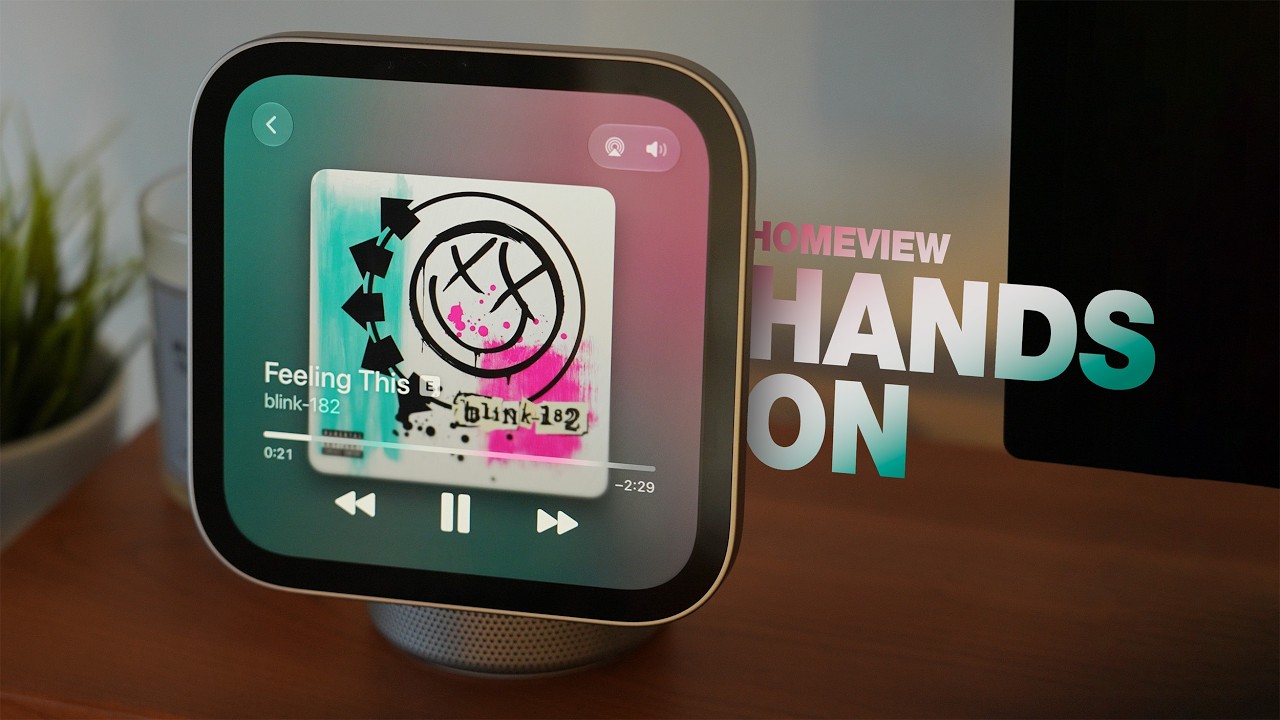
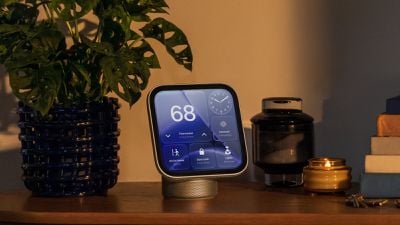
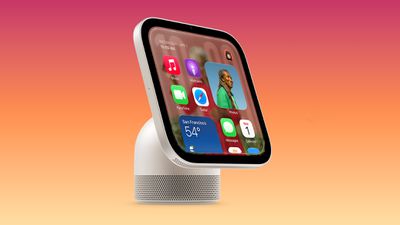
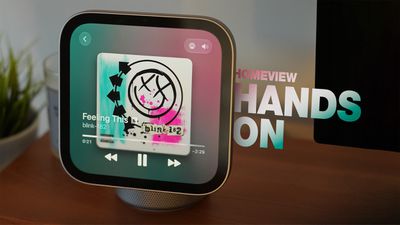
Just days after the HomeView's launch, some owners are reporting problems with Siri, timers, and music playback on Apple's new smart home hub, based on multiple MacRumors forumthreads.
In the longest discussion, which now spans over one hundred posts, several people say their HomeView refuses to set timers or alarms, and instead claims that a software update is required – even though the device reports that it is up to date. In another thread, one poster said an AppleCare senior advisor told them other owners had reported the same problem, and that cold-rebooting their paired iPhone cleared it.
Other owners describe Siri taking minutes to respond or repeatedly announcing that it is "downloading Siri." Elsewhere, in two separatethreads, owners report music commands failing outright or being carried out on their iPhone instead of the HomeView, even when the device shows Siri listening on screen. That's not all, either. Some owners with multiple units say commands meant for one room play in another, for no apparent reason.
Let's not overstate the case, though. Not everyone is seeing problems with HomeView. Several people have reported their units working as expected, and some say that any issues cleared after rebooting the HomeView, their iPhone, or both.
Apple has already said a software update coming next month will fix a separate issue in which Siri AI claims not to have a camera and won't let recognized users unlock doors and garages by voice. Apple also says the software update will address several vulnerabilities, including issues with AirPlay, Messages, and Bluetooth.
However, those are other issues, and it remains to be seen whether said update will fix the timer and music problems described by several owners in the MacRumors forums. Let us know in the comments of your own experience with HomeView.
Apple has renewed its popular British spy drama "Slow Horses" for ninth and tenth seasons, extending its considerable lead as Apple TV's longest-running original series by season, according to Deadline.
Six seasons of Slow Horses have already been released, with seasons seven and eight already confirmed before the latest renewal. The order for seasons nine and ten extends its lead as the Apple TV original with the most seasons commissioned.
The commitment puts "Slow Horses" well ahead of other established Apple originals. "For All Mankind," which debuted when the service launched in 2019, will finish with season six.
"Slow Horses" has also maintained an exceptional critical reception, with all six seasons holding critics' scores of 95% or higher on Rotten Tomatoes. Seasons two and four have perfect 100% ratings, while the latest season holds 98%.
The news answers recent uncertainty about the show's future. Cast member Olivia Cooke had suggested just days earlier that season eight could mark its conclusion.
The television series is catching up with the book series it is based on that began 16 years ago. Author Mick Herron has published nine main "Slough House" novels since the first one debuted in 2010, with gaps of between one and three years between installments. The latest, "Clown Town," arrived in 2025, three years after "Bad Actors."
Those two books provide the material for seasons seven and eight, raising the possibility that seasons nine and ten could move beyond the published novels. Apple has not confirmed that direction, with a spokesperson telling Deadline that story details for the additional seasons would follow.
Produced by See-Saw Films, "Slow Horses" centers on an outpost of MI5 where agents are sent after damaging their professional reputations. Gary Oldman plays their boss, "Jackson Lamb," alongside a cast that includes Jack Lowden, Kristin Scott Thomas, Jonathan Pryce, and Cooke. The first six seasons are available to stream now on Apple TV.
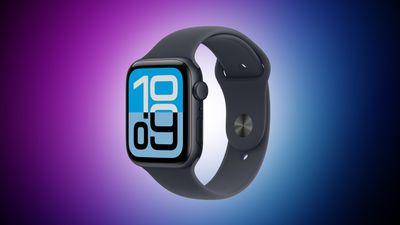
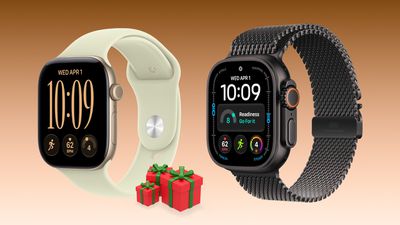
Following in the footsteps of this weekend's big discounts on the Apple Watch Series 12, Amazon today has all-time low prices across a number of Apple Watch SE 3 devices. Prices start at just $199.00 for the 40mm GPS Apple Watch SE 3, matching the previous record low price on this model and marking the first time we've tracked a discount on the SE 3 this Black Friday season.
Note: MacRumors is an affiliate partner with Amazon. When you click a link and make a purchase, we may receive a small payment, which helps us keep the site running.
The 44mm GPS SE 3 is priced at $229.00 in this sale, down from $279.00, another record low price. Similar to the Series 12 sale, Best Buy is matching all of these prices.
Anyone shopping for cellular models will find the 40mm GPS device priced at $249.00 and the 44mm GPS device priced at $279.00, both $50 discounts and another pair of all-time low prices.
If you're on the hunt for more discounts, be sure to visit our Apple Deals roundup where we recap the best Apple-related bargains of the past week.
Deals Newsletter
Interested in hearing more about the best deals you can find this holiday season? Sign up for our Deals Newsletter and we'll keep you updated so you don't miss the biggest deals of the season!
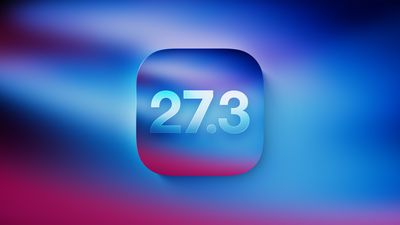
Apple has indirectly confirmed that iOS 27.3 beta 2 will be released today. The company informed The New York Times that it will be adding a video podcasts section to the Apple TV app for developers to test starting Monday, so the next developer betas of iOS 27.3, macOS 27.3, and so forth should be coming today.
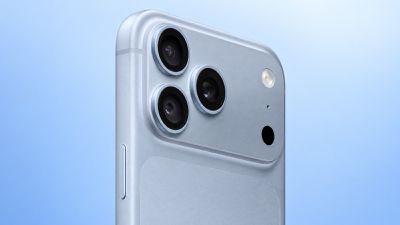
Next year's "iPhone 20 Pro" models will use the same glass design as the iPhone Air, but with more pronounced curvature along all four sides, according to the leaker known as "Fixed Focus Digital."
In a new post on Weibo, the leaker said the device would use the same glass material as the iPhone Air, adjusted to have greater curvature and produce a four-sided curved effect. The accompanying hashtag refers specifically to an "iPhone 20 Pro" with a four-sided curved, "all-glass" design.
An illustration shared with the post depicts rounded front and rear glass meeting a narrow, polished, gold-colored metallic frame. Physical side buttons, antenna lines, and a protruding rear camera assembly remain visible.
Taken together with earlier rumors and the post's accompanying illustration, the repeated comparisons suggest a design somewhere between the iPhone X and iPhone Air. The iPhone Air provides a reference for the slim profile and a more modern iPhone design, while the more pronounced glass curvature recalls the rounded edges of the iPhone X. Both feature a polished frame.
The latest claim builds on Fixed Focus Digital's previous report that Apple had modified iPhone Air manufacturing equipment to produce more rounded glass components for the 20th anniversary models. The leaker said the changes had helped reduce manufacturing costs, while substantially improving thinness and heat dissipation.
In a still-earlier report, the same leaker also claimed that a supply chain facility had completed renovations ahead of "iPhone 20" production, with manufacturing quality expected to be roughly comparable to the first-generation iPhone Air. The iPhone Air features Ceramic Shield 2 on the front and Ceramic Shield on the back.
The broader design picture aligns with Bloomberg's Mark Gurman's reporting that Apple's anniversary Pro models will feature glass that curves into the sides from both the front and rear, with a thin metal band between the two panels. Gurman has also described thinner display bezels and curved glass around all corners and edges, in what he expects to be the biggest overhaul of the Pro line since the iPhone X.
Apple's 20th-anniversary iPhone models are expected to launch in the fall of 2027. While leakers have variably referred to the device as the "iPhone 20 Pro," Apple's naming plans remain unclear. It seems plausible that the company could skip the iPhone 19 name to emphasize the anniversary, similar to its introduction of the iPhone X in 2017.
Next year's iPhone 20 Pro could feature a main camera sensor with logic circuitry manufactured using a new 17-nanometer process, according to Weibo-based leaker Ice Universe.
Modern stacked camera sensors separate their light-sensitive pixels from the logic circuitry responsible for reading out and processing image data. A more advanced manufacturing process for the logic layer could potentially enable faster readout speeds, improved power efficiency, and more sophisticated image processing.
The leaker provided no further details about the sensor, which would reportedly debut in Apple's 20th-anniversary iPhone in 2027. Apple is expected to skip the "iPhone 19" moniker next year, just like it did with the iPhone 9 prior to the release of the iPhone X in 2017 to celebrate the 10th anniversary of the original iPhone.
Interestingly, Samsung has already been developing a 17nm Low Power Value (17LPV) process specifically for CMOS image sensor signal processing circuitry, according to a 2024 Omdia report.
Apple is also working with Samsung to produce advanced image sensors at its Austin, Texas facility. Previous reports suggest the partnership involves a three-layer stacked sensor design, but there's currently no clear link between that project and the claimed 17nm component.
Separately, Apple is rumored to be developing its own image sensor incorporating LOFIC technology, which could substantially improve dynamic range and preserve more detail in highlights and shadows. Again though, it's not clear whether the latest claim relates to that sensor.
Apple is rumoured to be a developing a radical new design for its second commemorative iPhone, featuring a new quad-curved OLED display that wraps around the edges of the device, and a screen with potentially no cutouts at all. Apple is expected to debut the device in or around September 2027.
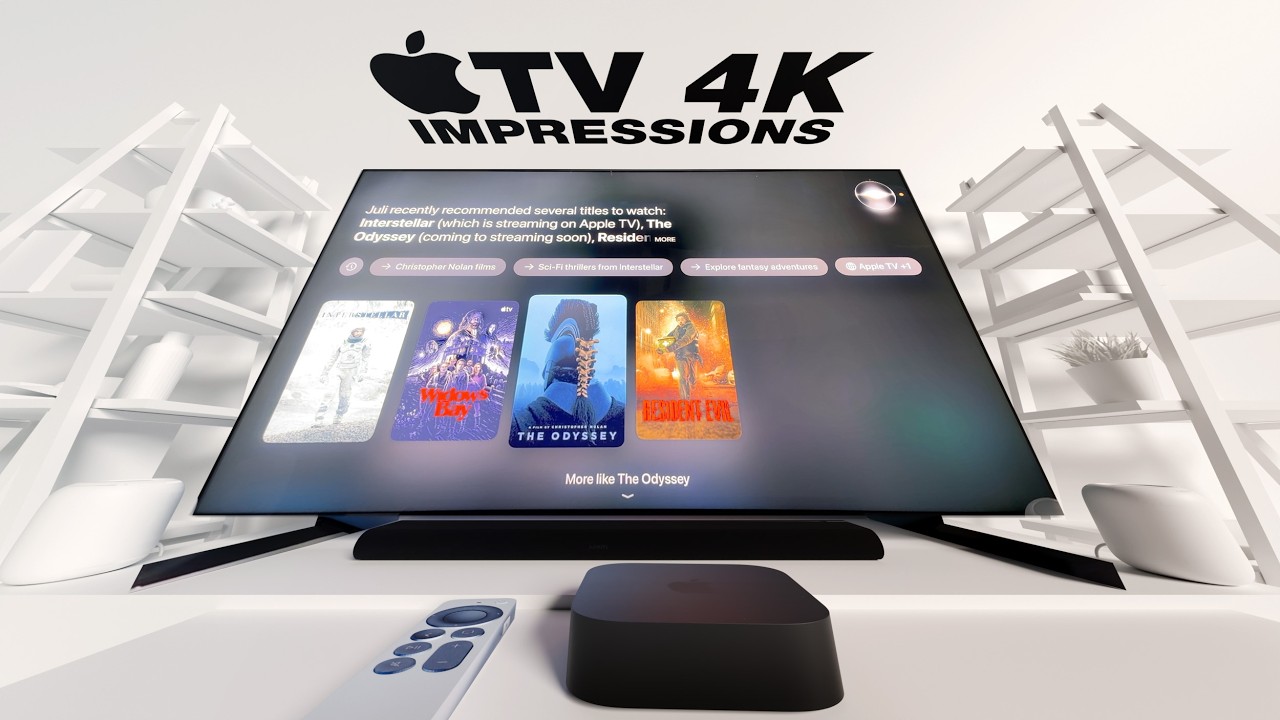
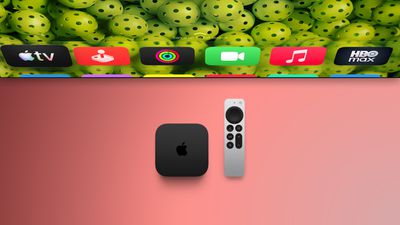
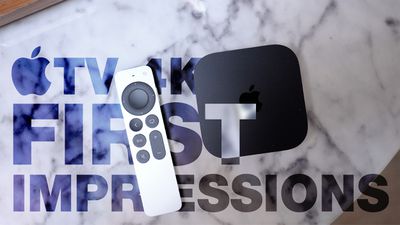
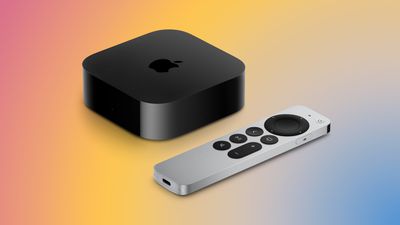
Apple's new Apple TV 4K uses an A19 chip with one efficiency core disabled, according to system diagnostic data shared by code explorer pdfu. That suggests a five-core CPU with two performance cores and three efficiency cores, compared with the six-core CPU in the iPhone 17.
The reported maximum clock speeds are 4.26GHz for performance cores and 2.592GHz for efficiency cores, with a five-core GPU reaching 1.47GHz. (These are maximum frequencies, not measurements of sustained performance.) Apple is likely using binned chips, where the disabled core is defective. The company used a similar configuration in the 2022 Apple TV 4K, whose A15 chip also had one CPU core disabled.
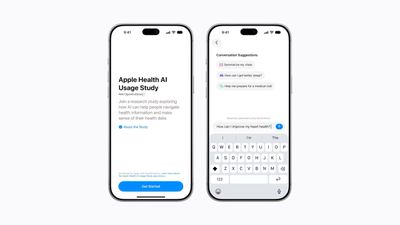
Apple on Sunday announced the launch of an Apple Health AI Usage Study that gives participants access to a dedicated iPhone app that answers everyday health questions using medical research and, optionally, their own Health app data.
Conducted in collaboration with clinical AI company OpenEvidence, the U.S.-only study will examine how people understand and evaluate AI-generated health information, what makes them trust it, and whether it can help them prepare for appointments with their doctors.
"At Apple, we believe responsible innovation starts with scientific rigor and clinical grounding. Health is deeply personal, and conducting a dedicated research study is the most thoughtful way to understand how people engage with, comprehend, and evaluate health AI in everyday life," said Sumbul Desai, M.D., Apple's vice president of Health and Fitness. "Insights from this study will help advance the broader scientific conversation and ensure that as technology evolves, we continue building trusted tools that genuinely support people wherever they are on their health journey."
The app combines OpenEvidence's technology with an Apple-designed research experience, where responses include links to peer-reviewed clinical sources, with information drawn from publications like The New England Journal of Medicine, JAMA, and Nature. Apple says the app presents complex medical information in approachable language.
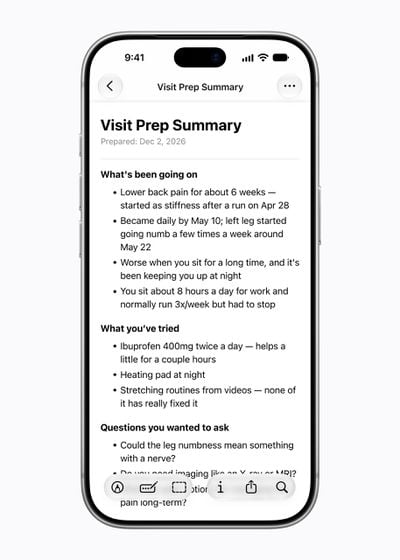
Participants can choose to share data such as their resting heart rate, activity, sleep, and lab results through HealthKit. The idea is for it to allow researchers to explore whether incorporating personal health information makes answers more relevant and easier to understand. Apple says the app can also help users put Health data in context, understand symptoms or conditions, and build personalized exercise or meal plans.
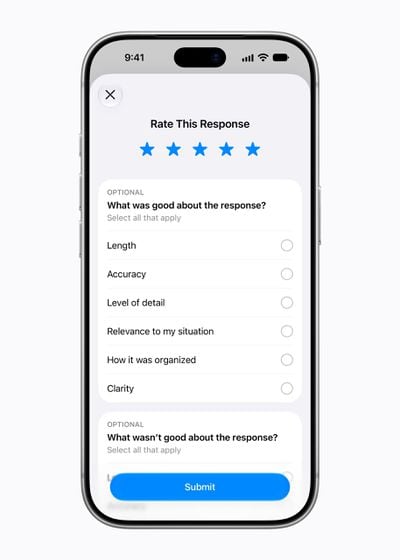
Users can rate responses and complete occasional surveys about their experience, and all questions undergo processing designed to remove identifying information before reaching OpenEvidence, which deletes question-and-response data within 24 hours. Apple says study data will not be used to train AI models, and participants control whether they share HealthKit metrics or survey responses.
"Patients and clinicians are both turning to AI, but the tools they use are being built and tested in separate worlds," said Robert M. Wachter, M.D., UCSF's professor and chair of the Department of Medicine. "When patients and doctors draw on versions of the same trustworthy tools, patients arrive prepared, conversations improve, and next steps happen seamlessly. Connecting these tools, and rigorously studying what works, is how we'll get there."
Apple is keen to stress that health tools powered by large language models can give incomplete or unclear answers, and the app includes safeguards that are meant to detect certain concerning questions and direct users toward a healthcare provider or other resources. The study isn't intended to diagnose or treat conditions, or replace advice from medical professionals.
The study is open to up to 200,000 eligible U.S. residents aged 21 and older with an Apple Intelligence-enabled iPhone running iOS 26 or later. If you're eligible and interested, download the Apple Health AI Study App from the App Store to learn more.
Apple on Monday will add a video podcasts section to the Apple TV app, bringing it to more than 1 billion devices that have the app, reports The New York Times. The new video podcasts section will likely arrive in iOS 27.3 beta 2 for developer testing.
"We want podcasts to be available wherever people want to enjoy them — the small screens, big screens," VP of services, Oliver Schusser, told NYT. "It's really about discovery and helping the creators to reach a new audience. We didn't approach this in a way that would financially benefit us." Apple also plans to increase the number of video podcasts on its regular Podcasts app, according to the publication.
Note: MacRumors is an affiliate partner with some of these vendors. When you click a link and make a purchase, we may receive a small payment, which helps us keep the site running.
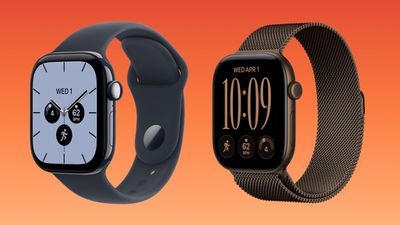
You can get the 42mm GPS Apple Watch Series 12 for $329.00 at Amazon and the 46mm GPS model for $379.00 at Best Buy, both of which are $70 discounts and new all-time low prices. Amazon's selection of colors and styles is limited as of writing, while Best Buy has more options on sale.
Amazon also has both Dark Bronze Milanese Loop models on sale for new record low prices today, starting at $379.00 for the 42mm GPS model and increasing to $429.00 for the 46mm GPS model.
We've created a big list of more Apple Watch Series 12 models on sale below, including Titanium and Ceramic options at new best-ever prices. Remember that Best Buy is matching these deals as well if you prefer to shop there.
If you're on the hunt for more discounts, be sure to visit our Apple Deals roundup where we recap the best Apple-related bargains of the past week.
Deals Newsletter
Interested in hearing more about the best deals you can find this holiday season? Sign up for our Deals Newsletter and we'll keep you updated so you don't miss the biggest deals of the season!
Apple plans to unveil its first smart glasses at WWDC in June 2027 and begin shipping them before the end of the year, according to Bloomberg's Mark Gurman.
In the latest edition of his "Power On" newsletter, Gurman shared new details about the glasses' design, charging system, and Siri features.
Current prototypes of the glasses, internally code-named "N50," are reportedly slightly thinner than Meta's second-generation Ray-Bans. Some test units have oval camera openings integrated into the frame without protruding housings. A front light indicates use or charging, while Apple is experimenting with additional privacy features.
Apple is apparently developing multiple styles and colors, with an emphasis on materials, sensors, and audio quality. Employees have described the sound as "industry-leading," with the glasses supporting music playback, calls, and FaceTime audio.
Testers can also charge the prototype glasses while wearing them. A flat, three-pin magnetic connector, "roughly the size of a Tic Tac," attaches near the end of the left temple arm. Gurman said it remains unclear whether Apple will use this charging system in the shipping product.
The first model will not display augmented reality imagery. Wearers will interact through Siri, which will use the cameras to answer questions about their surroundings.
Planned uses include identifying buildings, suggesting meals based on ingredients in a refrigerator, providing directions, and translating signs and conversations. Apple also intends to support calls, messages, iPhone notifications, calendars, standard and visual reminders, music controls, and smart home controls.
To support the glasses, developers will need to let Siri control specific features in their iPhone apps. Apple envisions tasks such as booking restaurant tables, requesting rides, ordering coffee, shopping, and purchasing movie tickets working on the device.
Developers will not need to create separate apps for the glasses. Their software will run on a paired iPhone, with the two devices working together to fulfill requests. Current plans require a recent iPhone model, with no Android support. The paired phone will compensate for the glasses' limited processing power and memory.
Wi-Fi will allow certain functions outside third-party apps to remain available without a nearby iPhone. Gurman suggested audio playback could theoretically continue over Wi-Fi, although the glasses will not function as a fully independent device.
Internal prototypes purportedly run a reduced version of visionOS 28 and contain a processor derived from older Apple Watch chips. Other custom components handle wireless connectivity and process images as the cameras capture them.
Apple began introducing the necessary Siri controls in this month's first iOS 27.3 beta, enabling more precise control of app actions. Originally demonstrated in 2024, the capability has been rebuilt using newer AI models. Apple plans to release support for its own apps in December, followed by third-party support in 2027.
Apple wants developers to prepare those integrations before the glasses arrive and continues to target a WWDC announcement next year. The company sees access to its existing app ecosystem as a major selling point against rival smart glasses.
The device will also overlap with camera-equipped AirPods, which remain scheduled for launch in late 2027 and will also provide Siri with information about the user's surroundings. The glasses should offer longer battery life and accommodate more sensors, with Apple seeing the potential for them to be worn throughout the day.
Work on the glasses started in the early 2020s, and Apple is said to have largely settled on the hardware. The remaining obstacles involve software and AI, which Gurman said are running late and could delay the planned 2027 launch.
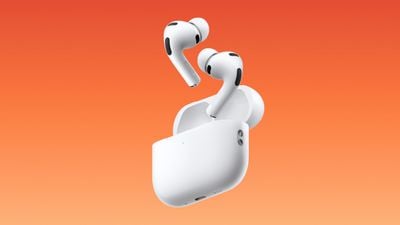
One of the best early Black Friday deals has arrived today, with Amazon discounting the AirPods Pro 3 down to $179.99, from $249.00.
Note: MacRumors is an affiliate partner with Amazon. When you click a link and make a purchase, we may receive a small payment, which helps us keep the site running.
This is just $0.99 higher compared to Amazon's previous record low price on the AirPods Pro 3, and Amazon provides free delivery dates around November 20, or overnight deliveries for Prime members.
The AirPods Pro 3 are one of many Apple products with early Black Friday deals, also including MacBook Air, AirTag, Apple Watch, and more. If you're on the hunt for more discounts, be sure to visit our Apple Deals roundup where we recap the best Apple-related bargains of the past week.
Deals Newsletter
Interested in hearing more about the best deals you can find this holiday season? Sign up for our Deals Newsletter and we'll keep you updated so you don't miss the biggest deals of the season!
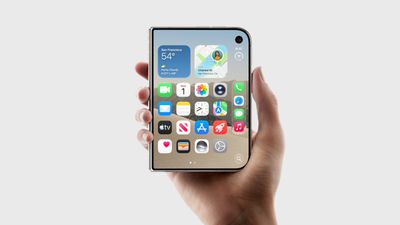
Bloomberg's Mark Gurman today said Apple has four goals for future iPhone Duo models: Face ID, an Action button, a telephoto camera, and a thinner-and-lighter design. Gurman said Apple has already developed iPhone Duo 2 prototypes with Face ID on the outer display, but it is "running out of time" to finalize the feature for that model, so it might not arrive until the iPhone Duo 3.
Black Friday is now less than two weeks away, taking place on Friday, November 27 in 2026. As always, this will be the best time of the year to shop for great deals, including popular Apple products like AirPods, iPad, Apple Watch, and more.
Note: MacRumors is an affiliate partner with some of these vendors. When you click a link and make a purchase, we may receive a small payment, which helps us keep the site running.
Specifically, in this article we're sharing all of the Apple products that currently have all-time low prices, or discounts that are at least close to their record-low prices. Of course, these are early Black Friday deals, so even better discounts could emerge later in the month, but if you're shopping right now these are all the best prices around.
Table of Contents
You can use the links below to jump directly to the section you're shopping for today.
You can get the 42mm GPS Apple Watch Series 12 for $329.00 at Amazon and the 46mm GPS model for $379.00 at Best Buy, both of which are $70 discounts and new all-time low prices. Amazon's selection of colors and styles is limited as of writing, while Best Buy has more options on sale.
Amazon also has both Dark Bronze Milanese Loop models on sale for new record low prices today, starting at $379.00 for the 42mm GPS model and increasing to $429.00 for the 46mm GPS model.
We've created a big list of more Apple Watch Series 12 models on sale below, including Titanium and Ceramic options at new best-ever prices. Remember that Best Buy is matching these deals as well if you prefer to shop there.
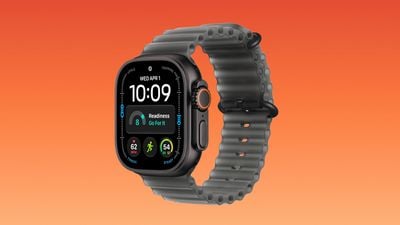
The Apple Watch Ultra 4 has dropped to $699.99 on Amazon in one of the most notable early Black Friday discounts, down from $799.00. This is a match of the all-time low price on the new Ultra 4, which just launched in September.
If you're shopping for a Milanese Loop model, Amazon also has a $99 discount on one of these devices. There are five regular models on sale and two Milanese Loop models, and most have delivery dates of early November on Amazon.
Regarding the previous-generation models, Best Buy this week has a big collection of Apple Watch Ultra 3 models for $549.00, down from $799.00. This is a massive $250 discount on the previous-generation device, and it represents a new all-time low price on these models.
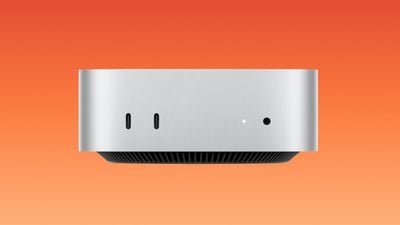
Apple's new Mac mini has had one of the most consistent discounts over the past few weeks, and these $119-$150 markdowns have continued into Black Friday season. Prices start at $779.00 for the entry-level model, and currently include every M6 model, plus the M5 Pro model.
Additionally, one of the best early Black Friday deals is on the M5 Max Mac Studio with 36GB RAM and a 512GB SSD, on sale for $2,299.00, down from $2,499.00.
Amazon is taking $199 off nearly every model of the M5 MacBook Air this week, with matches of the best post-hike prices we've ever seen on the computer. Prices now start at $1,099.99 for the 512GB 13-inch model and $1,299.99 for the 512GB 15-inch model.
For the 15-inch M5 MacBook Air models, prices start with the 16GB/512GB model for $1,299.00, down from $1,499.00. You can also get the 16GB/1TB model for $1,549.99, down from $1,799.00, which is a $250 markdown and another all-time low price for Black Friday.
Cellular carriers have always offered big savings on the newest iPhone models during the holidays, and Black Friday 2026 sales have kicked off at AT&T and T-Mobile, as well as Best Buy. Right now we're tracking notable offers on the iPhone 18 Pro, iPhone 18 Pro Max, and iPhone Duo. For even more savings, keep an eye on older models during the holiday shopping season.
iPhone Duo: Up to $1,200 off with eligible trade-in
Apple Watch SE 3: No cost (up to $300) when adding a watch line on a qualifying plan, or get $250 off any Apple Watch when picking up another Apple Watch
T-Mobile is offering the iPhone 18 Pro and iPhone 18 Pro Max for up to $1,200 off when you trade in an old device (in any condition) and purchase the new device on an eligible unlimited plan. You can also get this offer if you switch a line to Experience Beyond 2.0, Experience Beyond, or Go5G Next.
For anyone shopping for the iPhone Duo, you can get up to $1,200 off the iPhone Duo with any condition trade-in on an Experience Beyond plan. This discount will appear in the form of bill credits over the course of 36 months.
Similarly, if you're on the Experience More or Experience Beyond plan, you can get up to $830 off with a trade-in, and up to $730 off with a new line on most other plans. All of these offers have the same payout schedule over the course of 36 months.
iPhone Duo: Up to $1,200 off with eligible trade-in
Over at AT&T, you can get the iPhone 18 Pro and iPhone 18 Pro Max for up to $1,200 off with an iPhone trade-in in any condition. You'll need to upgrade with AT&T Next Up Anytime or switch to get this offer.
Additionally, new and existing customers can get up to $1,200 off the iPhone Duo with an eligible trade-in. If you're switching to AT&T, the carrier will give you up to $800 to pay off your current device balance, and you can save $200 per line when ordering the smartphone online.
In regards to the main offer of up to $1,200 off the iPhone Duo, AT&T says this requires an eligible trade-in of $230 or more, alongside activation of a new line or upgrading an existing line. You'll get this credit over the course of 36 months on your AT&T bill.
You can find the breakdown of each plan tier from AT&T below, and remember that they each require a trade-in as well.
Up to $1,200 off iPhone Duo: requires AT&T Premium 2.0 plan or higher / trade-in value of $230 or more
Up to $930 off iPhone Duo: requires AT&T Extra 2.0 plan or higher / trade-in value of $130 or more
Up to $500 off iPhone Duo: requires Value 2.0 plan / trade-in value of $130 or more
Up to $350 off iPhone Duo: requires any eligible unlimited plan / trade-in value of $35-$129
If you switch to AT&T from a different carrier, AT&T will pay off your phone balance at up to $800 off per line. With the $1,200 offer, AT&T is offering the 256GB iPhone 18 Pro at no cost.
iPhone Duo: Up to $1,200 off with qualified activation and trade-in
Carriers aren't the only place you can save on iPhones this year, with Best Buy offering the same discounts as AT&T and T-Mobile with activation through these carriers at the time of purchase. This is a great option for anyone who shops at Best Buy a lot and likes to rack up member reward points.
Similar to the carriers, you can get the iPhone 18 Pro models and iPhone Duo for up to $1,200 off with qualified activation on cellular plans and a trade-in of an older device. Best Buy supports activation through AT&T and Verizon.
iPhone Cases
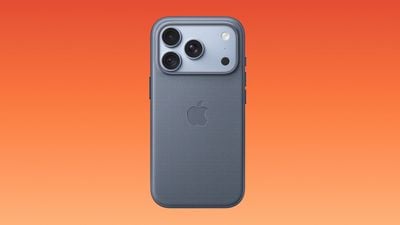
Amazon this week has big discounts across Apple's Clear, Silicone, and TechWoven Cases for the iPhone 18 Pro lineup. Across the board these are the best prices we've tracked to date on the new cases for iPhone 18 Pro and iPhone 18 Pro Max. This time around the deals do not require any coupon codes to see the final sale prices.
If you're on the hunt for protection for your new iPhone Duo, we've also been keeping track of all the best cases and screen protectors for the new device. The catch with these accessories is that many of them are not on sale given how new the Duo is, but there are overall cheap options you can find on Amazon, plus a great buy two get 20% off deal at ZAGG.
Amazon has some notable TechWoven dupe cases on sale, available for $32.99, which is $50 cheaper than any of Apple's official iPhone Duo cases. Otherwise, you'll find the full list of retailers offering accessories for the iPhone Duo below.
Amazon - iPhone Duo cases from Spigen, Speck, ZAGG, and more
AT&T - Discounts on iPhone Duo cases and screen protectors from Speck, Spigen, and more
Best Buy - iPhone Duo cases from Dbrand, OtterBox, Spigen, Kate Spade, and more
Burton Goods - Save on leather cases for iPhone Duo
ESR - iPhone Duo Silicone Leather case with Flex Stand
Interested in hearing more about the best deals you can find during the holidays? You can sign up for our Deals Newsletter and we'll keep you updated so you don't miss the biggest deals of the season!
Apple's wild past few months are finally starting to slow down with the last of the big hardware launches coming this week.
Meanwhile, developers are continuing to optimize their apps for the all-new form factor of the iPhone Duo and Apple looks to shake up its internal iOS and macOS development to give engineers more time to explore and develop new features within the existing update cycles, so read on below for all of the details on these stories and more!
Top Stories
Apple Taking New Approach to Developing iOS 28 and macOS 28
In his Power On newsletter this week, he said Apple separates development of each year's new operating systems into three major stages. Typically, he said each stage consists of four weeks of coding followed by a four-week "convergence" period where new features are integrated into the operating systems.
This time around, Apple has made a change, extending the coding period of each stage to six weeks and compressing the convergence period to two weeks, giving engineers more time to come up with and explore ideas before having to lock them in. The change could allow Apple to move more quickly on feature development, part of a general shift toward trying to become more nimble under new CEO John Ternus.
'Apple Support Community' Permanently Closing on November 20
Longtime members of the community were blindsided by the move and left without an opportunity to post farewell messages to others in the community.
Apple Says More Than 100,000 Apps Optimized for iPhone Duo, Here's What's Still Missing
Apple last week announced that more than 100,000 apps have been optimized for the iPhone Duo, delivering full compatibility with the device's inner and outer displays. Despite the volume of apps that have been updated, a number of high-profile apps have yet to be optimized, but more and more are being updated each day.
The new form factor of the iPhone Duo opens up new possibilities for app functionality and layouts, and we've shared several rounds of fun new apps, innovative games and utilities, and more.
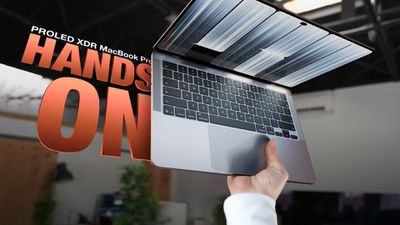
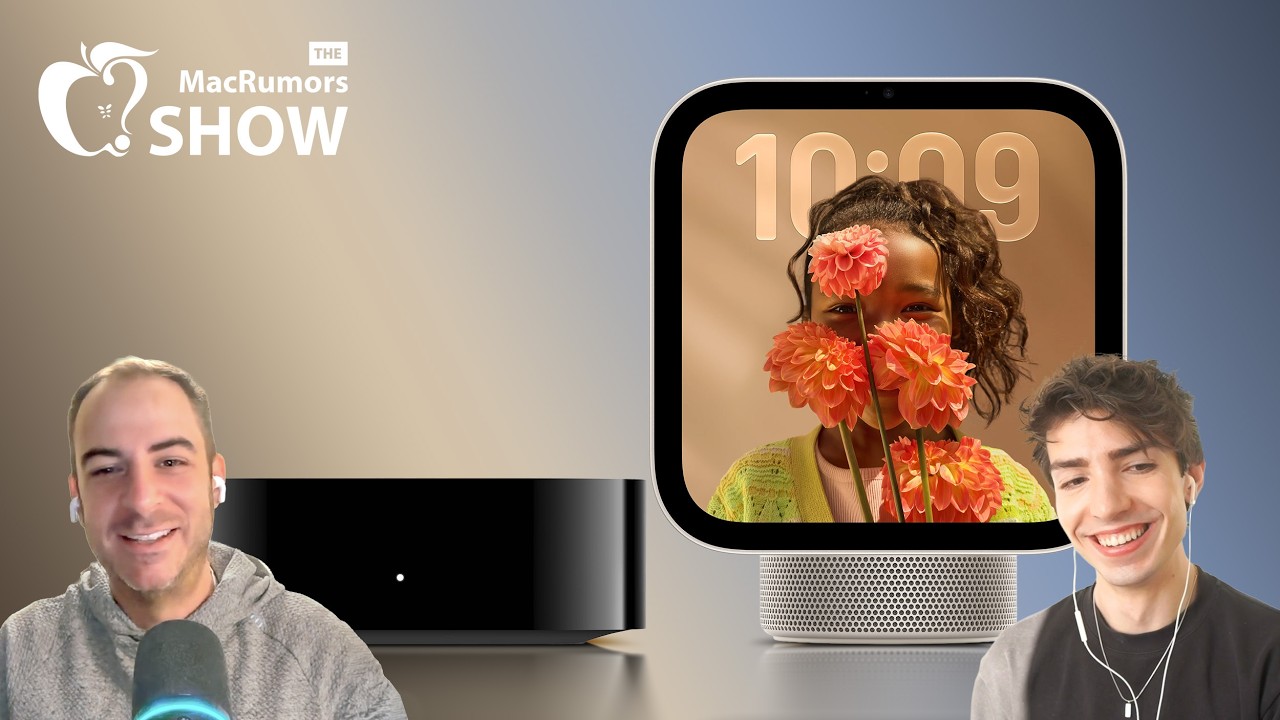
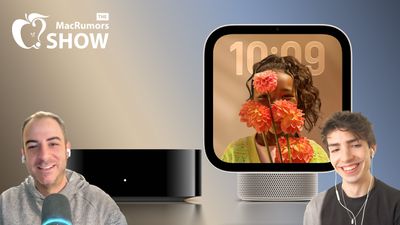
Hands-On With Apple's New OLED Touchscreen MacBook Pro, HomeView Smart Home Hub, and Apple TV
The touchscreen functionality arrives as part of a new display based on OLED technology, and the machine is significantly lighter than previous models while also delivering a number of other improvements. And yes, the long-lost lighted Apple logo on the lid has made a return!
Apple has historically tracked the "services attach rate" for retail employees, leading some to feel pressure to push the limits on signing customers up for trials without getting clear permission.
Apple has recently removed the attach rate metric for retail employees, though the company has said it is because the metric is less relevant for the holiday season when users are more often buying as gifts rather than for themselves, but the timing of the change is certainly convenient given the recent publicity.
The releases come as much more substantial 27.3 updates remain early in beta testing ahead of public releases next month.
MacRumors Newsletter
Each week, we publish an email newsletter like this highlighting the top Apple stories, making it a great way to get a bite-sized recap of the week hitting all of the major topics we've covered and tying together related stories for a big-picture view.
Apple's HomeView is out today, and we're finally learning all the little details about the new hub. We've rounded up a list of tidbits for those setting up a HomeView or thinking about getting one.
Sunglasses
Apple says the HomeView probably won't recognize you if you have your face covered, including when wearing sunglasses. If HomeView isn't identifying you, Apple suggests removing anything that would block the camera from seeing your face.
The HomeView's screen needs to be angled toward your face, you need to be centered in the frame and closest to the camera if other people are around, and the HomeView can't be blocked by overhanging shelves and cabinets. Apple says the HomeView needs front-facing, even light.
Mirror
There's a "Mirror" in the HomeView Control Center that lets you use the camera to see yourself. There's an option to turn on an edge light for face illumination, along with 1x and 2x zoom.
Guest Controls
The HomeView owner has multiple options for what guests can access.
Safari can be turned on or off, or adult websites can be blocked.
By default, guests can use Siri for general knowledge, writing help, and math help, but Siri features can be turned off.
Explicit content can be turned on or off.
There's an option to choose which Apple Music subscription supplies music for an unrecognized user.
Wi-Fi/Cellular
The HomeView authenticates people through face recognition and by making sure their iOS device is nearby, recently unlocked, and on the same Wi-Fi network as the HomeView. If there's a Wi-Fi outage, Apple says cellular can also be used to unlock personal content as long as it's in the same location and was recently on the Wi-Fi network.
Sleep Timer
You can set a sleep timer on HomeView to pause whatever media is playing when the timer goes off.
No Buttons
There is no button to turn the HomeView on or off, or restart it. It can be restarted from the Settings app or by briefly unplugging it.
Logins
You can log into websites and apps using your iPhone, similar to how the Apple TV works.
Notifications
The HomeView only has notifications for phone calls and home devices, with an option to toggle on critical notifications. There are no other notification settings or options.
Liquid Glass
The transparency of the Liquid Glass interface can be adjusted from clear to opaque like on iPhone, iPad, and Mac.
Personal Data Lockouts
If someone tries to repeatedly access personal content on HomeView that needs authentication, facial recognition via the camera is disabled and you'll need to prove identity with a registered device.
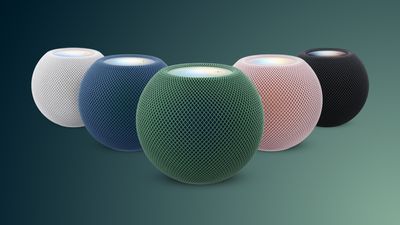
Apple today released HomePod software version 27.2.1, but it does not enable Siri AI on the HomePod mini 2. Apple's website continues to say the feature is "coming in a future software update," but it has not provided a timeframe.
Due to the HomePod mini 2 having only 2GB of RAM, well below the minimum 8GB of RAM required for dedicated Siri AI, personal context requests will require a paired Apple Intelligence–enabled iPhone or iPad with Siri AI turned on.
tvOS 27.2.1 was also released today, and it enables Siri AI on the Apple TV 4K (2nd generation) and Apple TV 4K (3rd generation). Siri AI is an opt-in feature on these devices, so after installing the update you will need to open the Settings app and tap on General → Siri → Siri AI (Beta). This will initiate a download with support.
If you update to tvOS 27.2.1 and take no further action, Siri Classic remains enabled by default.














 Note: MacRumors is an affiliate partner with Adobe. When you click a link and make a purchase, we may receive a small payment, which helps us keep the site running.

 Apple has indirectly confirmed that iOS 27.3 beta 2 will be released today. The company informed The New York Times that it will be
 Apple's new Apple TV 4K uses an A19 chip with one efficiency core disabled, according to system diagnostic data shared by code explorer
 Apple on Monday will add a video podcasts section to the Apple TV app, bringing it to more than 1 billion devices that have the app, reports
 Note: MacRumors is an affiliate partner with some of these vendors. When you click a link and make a purchase, we may receive a small payment, which helps us keep the site running.
 Note: MacRumors is an affiliate partner with Amazon. When you click a link and make a purchase, we may receive a small payment, which helps us keep the site running.