iPhone Air Features 3D-Printed Titanium USB-C Port With Three Benefits - MacRumors
Skip to Content

iPhone Air Features 3D-Printed Titanium USB-C Port With Three Benefits

In the environment section of its iPhone Air press release this week, Apple revealed that the device is equipped with a 3D-printed titanium USB-C port.
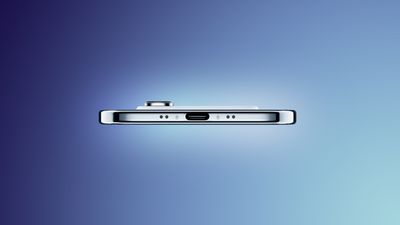
iPhone Air 3D Printed USB C Feature
Apple said the 3D-printed titanium USB-C port offers three benefits compared to one manufactured with a conventional forging process: it is thinner, stronger, and uses 33% less material to be more environmentally friendly.

3D printing for metal is also known as metal additive manufacturing, a process that involves creating objects layer by layer with powdered metal, based on a CAD model.

Despite this manufacturing innovation, the iPhone Air's USB-C port is limited to outdated USB 2 speeds of up to 480 Mb/s for wired data transfer.

Titanium cases for Apple Watch Ultra 3 and higher-end Apple Watch Series 11 models are also made with a 3D-printing process that uses half the raw material as previous generations of each device, according to Apple's announcements.

iPhone Air can be pre-ordered starting this Friday at 5 a.m. Pacific Time, while the new Apple Watch models are available to pre-order now, in the U.S. and many other countries. All of the devices are set to launch Friday, September 19.

Related Roundup: iPhone Air
Buyer's Guide: iPhone Air (Neutral)

Popular Stories

iphone air all colors

iPhone Air 2 Expected to Launch Early Next Year With Five New Features

Friday July 31, 2026 8:25 am PDT by
Apple plans to release a second-generation iPhone Air in the first quarter of 2027, according to Jeff Pu, an investment analyst who covers Apple. In a research note with GF Securities today, Pu said the iPhone Air 2 will have the following five new features compared to the current model:The addition of a second 48-megapixel rear camera — an Ultra Wide lens to complement the existing Fusion ...
TMRS 205 iPhone Air 2 Thumb

The MacRumors Show: iPhone Air 2 - What Changes After a Difficult First Year

Friday August 7, 2026 9:23 am PDT by
The iPhone Air reaches one year on sale next month, and Apple is now closer to launching its successor than it is to the original's debut. On this week's episode of The MacRumors Show, we discuss what's next for the device. Subscribe to The MacRumors Show YouTube channel for more videos The first-generation model has had a difficult run. A KeyBanc Capital Markets survey found virtually no...
iphone 20 anniversary

iPhone 20's Curved Glass Design to Be Made Like iPhone Air

Monday August 24, 2026 5:41 am PDT by
Apple's 20th-anniversary iPhone will be made using the same glass manufacturing process developed for the iPhone Air, according to the leaker known as "Fixed Focus Digital." In a new post on Weibo, the leaker said that iPhone Air manufacturing equipment has been modified to produce more rounded glass components for next year's 20th anniversary iPhone, which has helped to reduce Apple's...


Top Rated Comments

13 months ago

USB gen 2 is over 20 years old. It's still capped at 480 Mb/s for the planet not profit margin surely. Thanks Tim !
Sorry for being ignorant, but could someone explain why USB speed is so important for iPhones?
I got multiple iPhones since 3GS and I have never been worried about the USB version...
Score: 17 Votes (Like | Disagree)
13 months ago
USB gen 2 is over 20 years old. It's still capped at 480 Mb/s for the planet not profit margin surely. Thanks Tim !
Score: 16 Votes (Like | Disagree)
CapitalIdea Avatar
13 months ago

USB gen 2 is over 20 years old. It's still capped at 480 Mb/s for the planet not profit margin surely. Thanks Tim !
How often do normal consumers use the port for anything but charging? Seriously.
Score: 12 Votes (Like | Disagree)
13 months ago

Sorry for being ignorant, but could someone explain why USB speed is so important for iPhones?
I got multiple iPhones since 3GS and I have never been worried about the USB version...
It is not. People are complaining for the sake of complaining.
Score: 11 Votes (Like | Disagree)
Robert.Walter Avatar
13 months ago
I find it interesting that it is claimed to be stronger ... that seems unusual since forging processes are renowned for work hardening metals, and aligning grain patterns, and I've never seen any information (haven't looked for it though) that posits objects made with printed metals are stronger than the same objects being forged and run through a clean-up machining process.

I'd think that printed metal objects significantly reduce engineered waste, a/k/a offal, coming from final machining processes (and thus cost) but unless the old forging process was limited somehow, I'm not feeling it.

A part of my career had to do with bulk deformation processes, i.e. cold forging of steel, so my knowledge of titanium's oddities and limitations is limited (although I recall, Porsche Design had to go through a learning curve when they started using Titanium for their consumer products because of a kind of "spring back" effect that Ti apparently had.

Anybody here with knowledge or experience regarding Ti forging or machining? It'd be interesting to hear your thoughts on the hardness via printing vs forging topic.
Score: 11 Votes (Like | Disagree)
turbineseaplane Avatar
13 months ago
Glad they were able to make a super thin phone and stlll use a USB-C port.

Looks like it didn't actually "kill innovation" to simply adopt the worldwide standard.

They still have the option to go even thinner with totally port-less, which I expect them to try at some point also.
Score: 11 Votes (Like | Disagree)