Eve Launches Matter-Enabled Eve Weather Smart Station
Smart home company Eve Systems today announced the launch of a new version of the Eve Weather that offers Matter support. With Matter, the new Eve Weather can be added to HomeKit or smart home setups from other companies.

Eve Weather is a small cube-shaped accessory that is designed to provide outdoor weather temperature, humidity, and the local 12-hour weather trend. A display at the front allows you to see temperature and humidity at a glance, but the data also syncs to the Eve app.
With HomeKit integration, Siri can be used to provide details on the outdoor weather conditions, and the data can be used to trigger HomeKit automations. Eve Weather offers IPX4 water resistance so it can be kept outdoors year-round and displayed anywhere.
Eve Weather can be purchased from the Eve website or from Amazon.com for $80. Eve is continuing to sell the HomeKit version of the device as well for those who do not have a Matter-enabled hub, which includes the HomePod and latest Apple TV.
Popular Stories
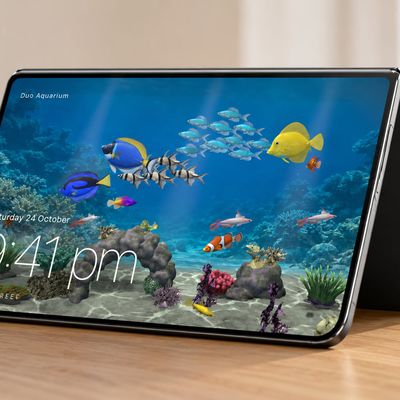
When the iPhone Duo launched, we shared a list of some of the fun apps developers created for the new form factor. Two weeks out, developers are continuing to come up with fresh ideas, so we thought we'd share some of our favorites.
Games
Marbles Unhinged ($2.99) - Marbles Unhinged is a marble maze designed for the Duo. When you fold it, the floor turns into a ramp. If you stand the top...
Apple is launching five new products on Friday, November 6, following pre-orders that opened last week, including its first touchscreen MacBook Pro models.
The following new products will be available from today:
iPad mini with OLED display and A20 Pro chip
iMac with M6 chip
14-inch MacBook Pro with M6 chip
14-inch MacBook Pro with OLED touchscreen
16-inch MacBook Pro with OLED...
Apple has made a change to its development process for iOS 28, macOS 28, and corresponding software updates, according to Bloomberg's Mark Gurman.
In his Power On newsletter today, he said Apple separates development of each year's new operating systems into three major stages. Typically, he said each stage consists of four weeks of coding followed by a four-week "convergence" period where...