Apple Loses Appeal in VirnetX Dispute, Could Owe Over $1.1 Billion
Apple has not been successful in reducing the amount of money that it owes VirnetX in patent infringement fees, with the Cupertino company today losing an appeal that would have vacated or reduced a $502.8 million award.

According to Reuters, a federal judge today denied Apple's request for a new trial and claims that the award should not exceed $113.7 million.
Apple must pay the original $502.8 million that was awarded to VirnetX in October 2020, and combined with a prior $454 million award, the payments, future royalties, and interest could result in Apple paying VirnetX more than $1.1 billion.
Jurors in both of the lawsuits that VirnetX levied against Apple ruled in favor of VirnetX and said that Apple's FaceTime, iMessage, and VPN on Demand features had infringed on VirnetX patents related to communications security.
Going forward, Apple will need to pay 84 cents per iPhone or iPad for future infringements, which is more than Apple wanted to pay. Apple claimed future royalties should be zero or no more than 19 cents per unit.
The legal battle between the two companies has spanned more than 10 years, having first kicked off in 2010.
Popular Stories
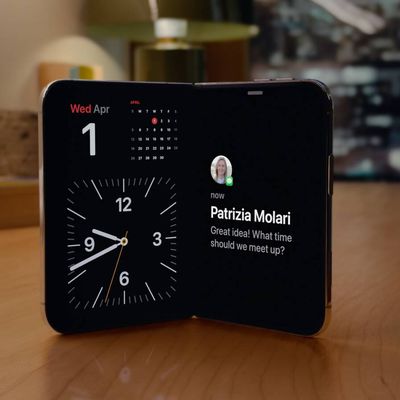
Some Apple retail employees have been told to warn customers against visiting to purchase an iPhone Duo without a pre-order on Friday, October 23.
Apple Store employees told MacRumors that they have been advised that there will likely be no iPhone Duo stock available for walk-in purchases on launch day. Staff have been instructed to discourage customers without pre-orders from coming in...
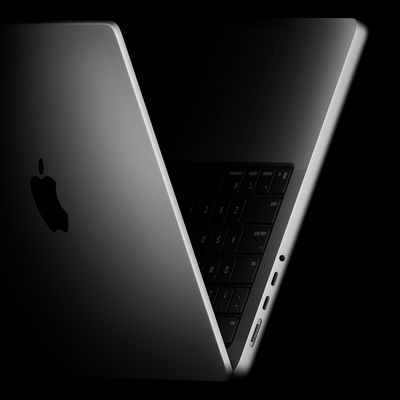
Apple today sent out invites for an experience in Los Angeles on Wednesday, October 28, and the "Pro and tell" tagline on the invitation likely means that the rumored MacBook models with touch-enabled OLED displays will stick with MacBook Pro branding instead of the once-rumored "MacBook Ultra" name.
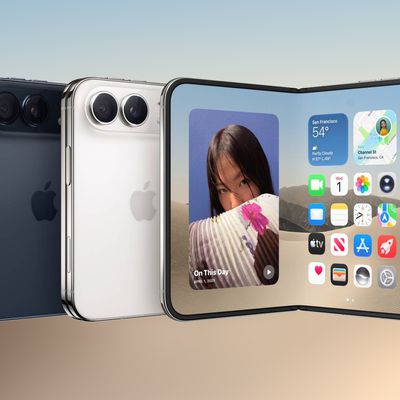
The long-rumored "iPhone Ultra" ended up being named iPhone Duo, so speculation that Apple...
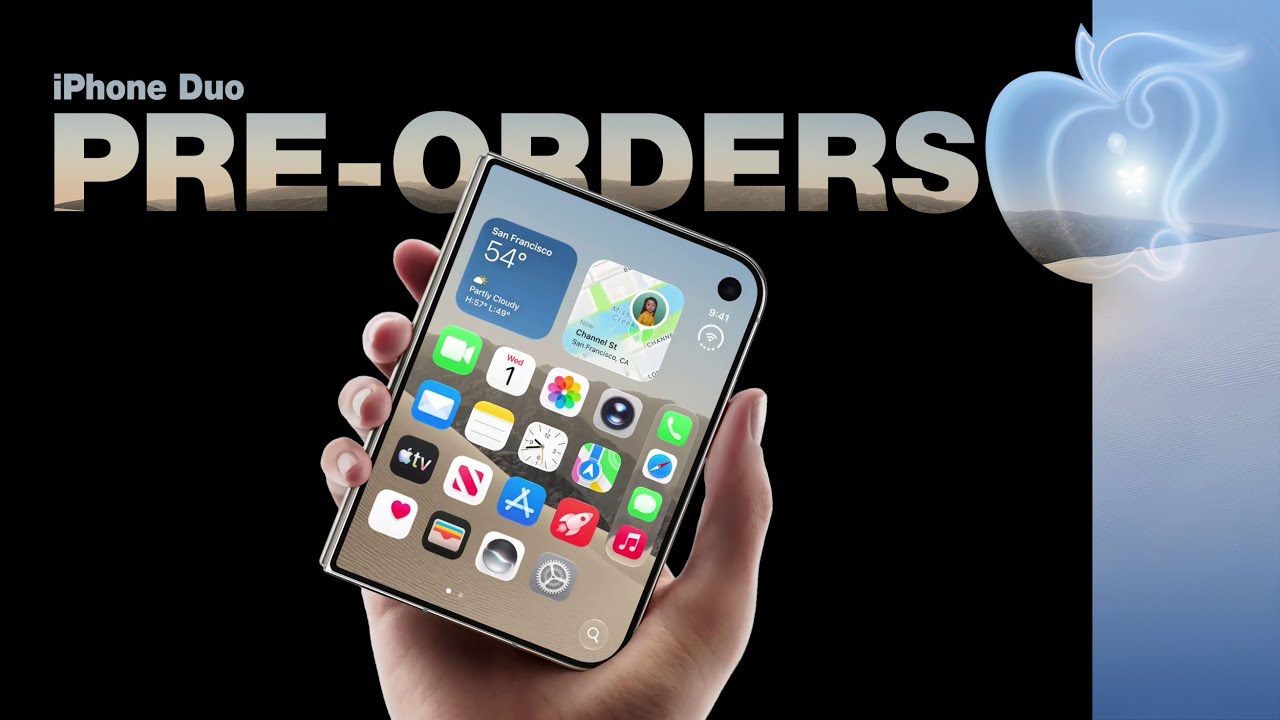
Despite knowing that the iPhone Duo would face "severe supply constraints" due to manufacturing challenges, Apple chose to begin iPhone Duo pre-orders on Friday instead of waiting until it had more inventory ready, according to Bloomberg's Mark Gurman. In his Power On newsletter today, he called this decision a "major mistake."
"Let me cut to the chase: Apple made a major mistake here," he...