Apple Acquired Mobeewave, a Startup That Lets Smartphones Accept Payments Using NFC
Apple has purchased payments startup Mobeewave, which created a system that lets shoppers tap a credit card or smartphone on another phone to process a payment. The functionality could allow iPhones to be used as payment terminals with no additional hardware required.

According to Bloomberg, Apple purchased the startup for approximately $100 million. Mobeewave's technology works with NFC, which is built into all modern iPhones. Mobeewave's website says sending payments with the Mobeewave app is as simple as inputting a transaction amount and tapping an NFC-enabled card on the back of a smartphone.
Apple hired the whole Mobeewave team, which includes dozens of employees, and the company is continuing to work from Montreal where it is based. Apple confirmed the acquisition with its typical statement: "Apple buys smaller technology companies from time to time and we generally do not discuss our purpose or plans."
As Bloomberg points out, the acquisition has the potential to allow Apple to compete with companies like Square, which makes hardware that allows iPhone users to accept credit and debit card payments.
Popular Stories
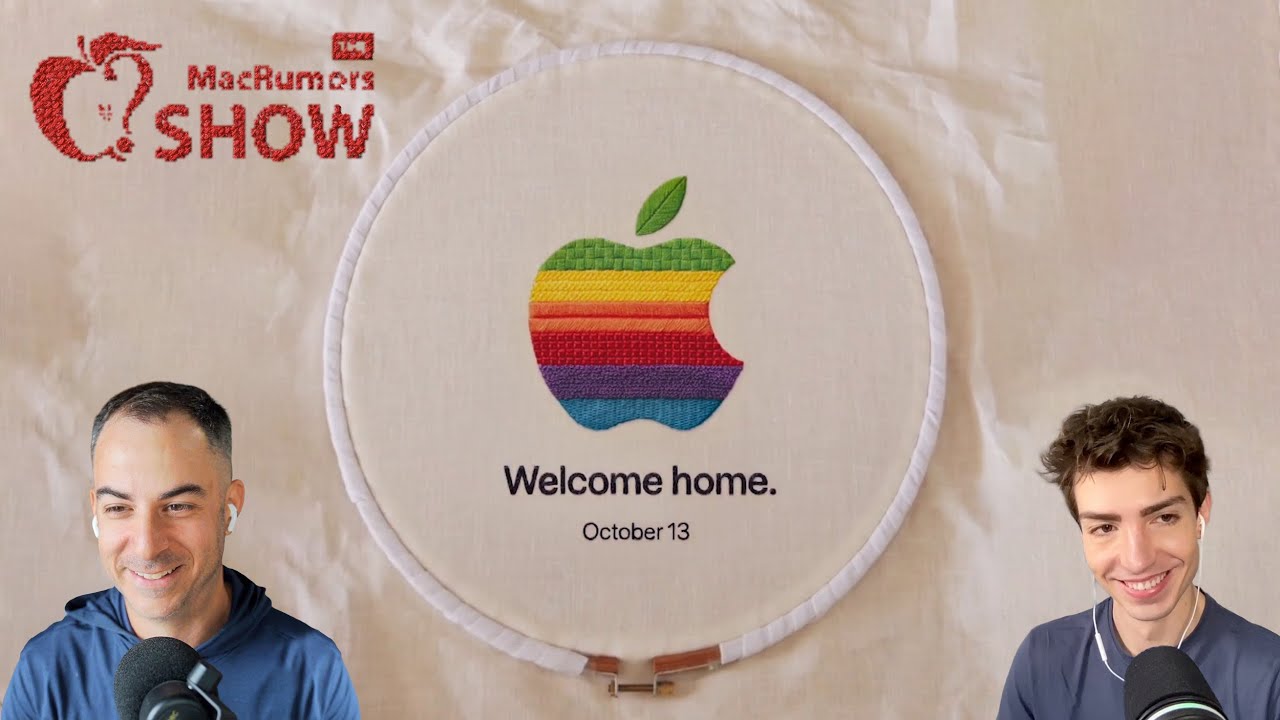
Just two days before Apple's "Welcome home" experience in New York, Bloomberg's Mark Gurman has leaked several details about the new products set to be unveiled, including an all-new smart home hub, a HomePod mini 2, and a new Apple TV 4K.
Here is an all-in-one summary of the details shared by Gurman:Apple's home hub with a touch-enabled display will be named HomeView, seemingly confirming a ...
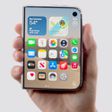
Apple today announced the "HomeView," an all-new kind of smart home hub featuring a 7-inch Liquid Retina display and Siri AI.
Apple's senior vice president of Worldwide Marketing Greg Joswiak said:
Apple HomeView is designed to be shared by everyone in the home yet feel completely personal to each user. It recognizes your face to shift from a household screen to your own experience,...
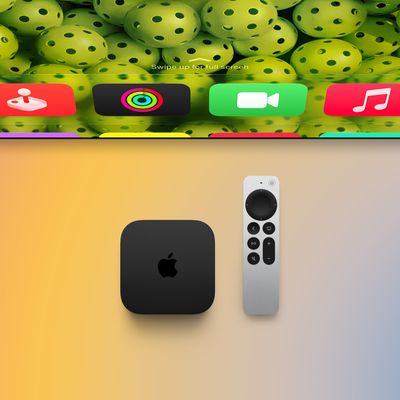
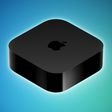
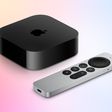
Apple today announced the fourth-generation Apple TV 4K, with key features including an A19 chip, Siri AI support, an updated Siri Remote that has Find My support with Precision Finding, built in far-field microphones, support for surround sound with four HomePods in front and rear pairs, and more.
The A19 chip in the new Apple TV 4K delivers up to 50% faster CPU performance and up to twice...