Apple Card Found to Contain 90% Titanium and 10% Aluminum
Bloomberg Businessweek sent an Apple Card to University of California, Berkeley professor and mineralogist Hans-Rudolf Wenk to determine the card's atomic makeup. The answer: 90% titanium and 10% aluminum.
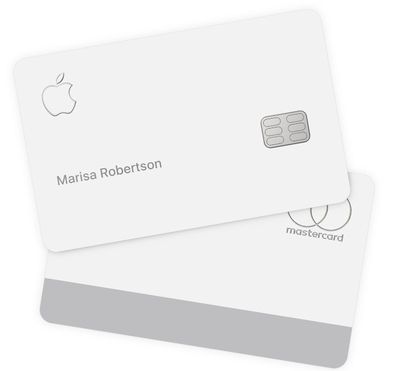
From the report:
But how much titanium? To find out, a Bloomberg Businessweek reporter sent his card to a mineralogist, University of California, Berkeley professor Hans-Rudolf Wenk. Professor Wenk used what's known as a scanning electron microscope, or SEM device, to determine the card's atomic makeup. He found that the answer is about 90%. The rest of the card is aluminum, according to the analysis.
Apple previously said the card's white finish is achieved through a "multi-layer coating process" that is added to the titanium base material. In a recent support document, Apple said if the card comes into contact with hard surfaces or materials, it is possible that the coating can be damaged.
Apple also said some fabrics, like leather and denim, might cause permanent discoloration on the card that will not wash off.
Popular Stories
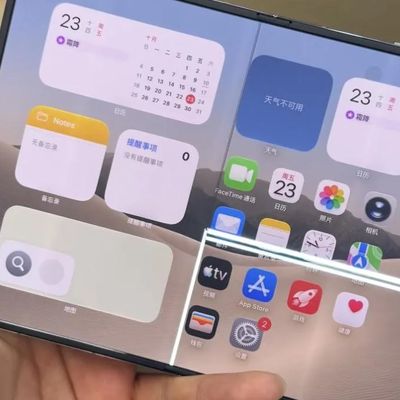
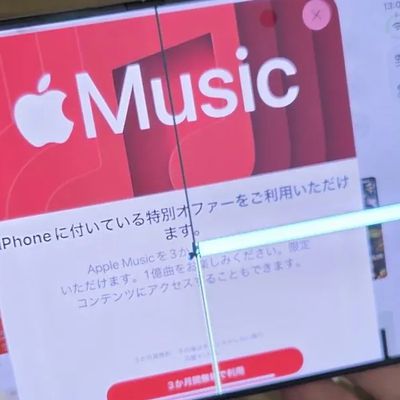
Shortly after the iPhone Duo launched, a few users reported hinge issues that were causing cracks in the inner display. Apple has now responded to the reports in a statement to MacRumors, saying a small number of units are affected.
The response to iPhone Duo from early users has been incredibly positive, and we are seeing exciting things from developers who are rapidly updating their apps...
Some iPhone Duos are already experiencing hinge issues that cause display cracks, based on photos shared on Reddit and the MacRumors forums. Almost all of the display faults are right along the hinge, and most result in a line of bright pixels across one side of the screen.
An iPhone Duo owner in Australia said his device cracked after being opened fewer than 20 times, and there was no...
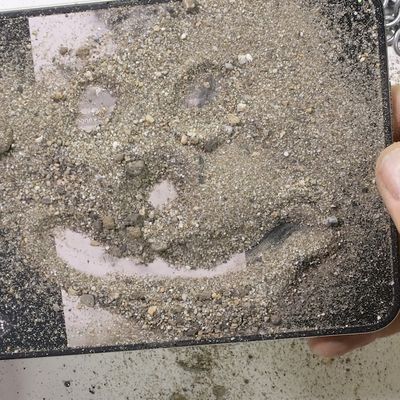
Apple's iPhone Duo has failed JerryRigEverything's latest durability test. Despite its IP68 dust-resistance rating, dust entered the hinge through several ingress points, overwhelming the magnets that hold the phone shut. The bend test then left a permanent green line across the inner display, before the screen became unresponsive.
The outer screen with Ceramic Shield 2 scratched at level 7...