Skip to Content

iPhone 8, 8 Plus, and X Batteries Less Impacted by Performance Management

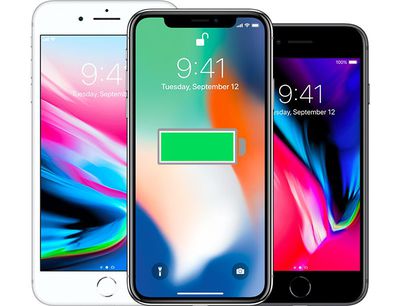
Apple's newest iPhones, including the iPhone 8, iPhone 8 Plus, and iPhone X, use a "different performance management system" than older iPhones, which means any performance management features may be less noticeable on these devices.

Apple outlined the difference between its newer iPhones and older models in an updated support document covering the Battery Health features introduced in today's iOS 11.3 beta. Apple says iPhone 8, 8 Plus, and X use a more advanced hardware and software design that's better able to estimate power needs and battery performance.
iphone88plusxbattery

iPhone 8, iPhone 8 Plus, and iPhone X models use a more advanced hardware and software design that provides a more accurate estimation of both power needs and the battery's power capability to maximize overall system performance. This allows a different performance management system that more precisely allows iOS to anticipate and avoid an unexpected shutdown. As a result, the impacts of performance management may be less noticeable on iPhone 8, iPhone 8 Plus, and iPhone X. Over time, the rechargeable batteries in all iPhone models will diminish in their capacity and peak performance and will eventually need to be replaced.

Though the iPhone 8, iPhone 8 Plus, and iPhone X may be less impacted by performance management features in the future, Apple says that the rechargeable batteries in all iPhone models will eventually diminish in capacity and need to be replaced for the iPhone to continue running at peak performance.

While Apple previously said that the iPhone 8, 8 Plus, and iPhone X do not have power management features installed at the current time, today's updated support document gives us some insight into how these devices might be affected in the future.

Apple has implemented performance management features in the iPhone 6, iPhone 6 Plus, iPhone 6s, iPhone 6s Plus, iPhone SE, iPhone 7, and iPhone 7 Plus. As of iOS 11.3 beta 2, customers can check to see if their devices are impacted by processor slowdowns in a new "Battery Health" section of the Settings app.

Installing iOS 11.3 will turn off any current performance management features on older devices, and it will only be reimplemented if and when a device experiences an unexpected shutdown. Customers also have the option of turning off the feature even after an unexpected shutdown, but it will need to be disabled after each performance failure.

For devices that have degraded batteries that are causing performance issues, replacing the battery solves the problem. Apple is continuing to offer $29 battery replacements through the end of 2018.
Related Forum: iPhone

Popular Stories

Apple Event Logo

Apple Released Seven New Products Today

Wednesday March 11, 2026 7:05 am PDT by
Starting today, the seven new Apple products that were announced last week are available at Apple Stores and beginning to arrive to customers. The colorful MacBook Neo and all of the other new products are on display at most Apple Store locations around the world starting today. Apple Stores have inventory of the new products for both walk-in customers and Apple Store pickup, but...
iOS 27 Mock Quick

10+ New Features Coming in iOS 27

Friday March 13, 2026 2:13 pm PDT by
We're only three months away from Apple's WWDC 2026 event, which will see the company unveil iOS 27. With the fully revamped version of Siri possibly delayed until September, iOS 27 is shaping up to be the update we wanted iOS 26 to be. There will be new Apple Intelligence features, updates for the iPhone Fold, and more, with the latest rumors summarized below. Foldable iPhone Features...
iOS 27 Mock Quick

iOS 27 Will Reportedly Be Like Mac OS X Snow Leopard

Sunday March 15, 2026 9:42 am PDT by
In his Power On newsletter today, Bloomberg's Mark Gurman reiterated that iOS 27 will be similar to 2009's Mac OS X Snow Leopard, in the sense that one of Apple's biggest priorities is bug fixes for improved performance and stability. During WWDC 2008's State of the Union, Apple showed a slide that said Mac OS X Snow Leopard had "0 new features," as it opted to focus on performance and...

Top Rated Comments

longofest Avatar
106 months ago
Meanwhile, Android phones don't need to use any "performance management" at all to avoid shutting down.

But by all means, Apple, tell us why this is so "needed".
Score: 49 Votes (Like | Disagree)
btrach144 Avatar
106 months ago
That's because this is all a cover up for faulty batteries and power management chips that were used in the 6,6s, and 7 iPhones.

No iPhones before these suffered from random shut downs and reboots.
Score: 46 Votes (Like | Disagree)
falainber Avatar
106 months ago
They're also only a couple months old so the battery hasn't degraded to the point of models more than a year old now. We know most batteries start heading downhill after about a year or 1000 charges.
You still don't get it. Apple just admitted that they screwed up power management design on 6 and 7 models. They were trying to hide it but failed. They will pay for it eventually.
Score: 25 Votes (Like | Disagree)
Chloros Avatar
106 months ago
Iphone 8 and X will be affected when the next iphones are released.
Score: 25 Votes (Like | Disagree)
106 months ago
Meanwhile, Android phones don't need to use any "performance management" at all to avoid shutting down.

But by all means, Apple, tell us why this is so "needed".
You're right, Android will simply shut down instead, which is what iOS is attempting to avoid.
My GF's LG G5 will simply shut off suddenly at about 16% battery left.

That's a much better user experience! :rolleyes:
Score: 23 Votes (Like | Disagree)
A7ibaba Avatar
106 months ago
They lying again.
Score: 14 Votes (Like | Disagree)