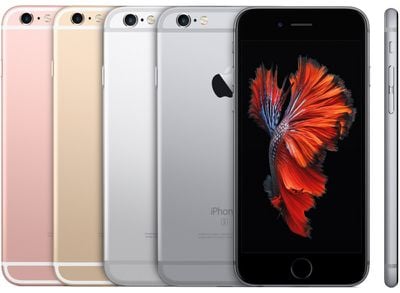
T-Mobile CEO John Legere says T-Mobile customers who own an iPhone 6, iPhone 6 Plus, or iPhone SE should not install Apple's iOS 10 update, released on Tuesday. According to Legere, iOS 10 is causing those three iPhone models to lose connection to the T-Mobile network.
Legere's comments come following customer complaints that started circulating following T-Mobile's latest carrier update, 25.1. It was initially believed the problem was the carrier update on T-Mobile's end, but Legere says that's not the case.
Apple is working to resolve the issue with iOS10 for @TMobile customers. Don't download iOS10 if you currently use an iPhone 5SE, 6 or 6+
— John Legere (@JohnLegere) September 15, 2016
Apple is working to resolve the problem, but in the meantime, customers should avoid the update. T-Mobile has offered a fix for those who have already updated to iOS 10 and are experiencing connectivity issues -- restart. According to the company, the only way to resume connectivity is to restart the iPhone each time that it loses connection.
Apple is expected to have a fix ready in the next 24 to 48 hours.
Update: According to T-Mobile, Apple has fixed the issue for customers who were experiencing disconnects.
Good news! iOS 10 fix is ready early. Go to Settings > General > Software Update (or > About if you already downloaded) and update away!
— T-Mobile📱 (@TMobile) September 16, 2016
A T-Mobile Support document instructs users to go to Settings --> General --> About to install a new carrier update, 25.2.
Thursday September 10, 2026 3:58 pm PDT by Juli Clover
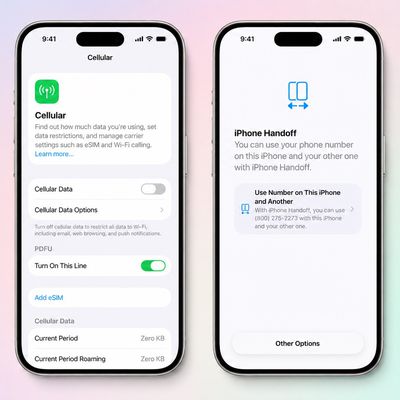
T-Mobile will charge customers $5 per month to use iPhone Handoff, an e-SIM feature that allows the same phone number to be used on two separate iPhones.
iPhone Handoff requires carrier support, and at launch, only T-Mobile users in the U.S. and Deutsche Telekom users in Germany will be able to use it.
T-Mobile says customers can use their number across two compatible iPhone models and...
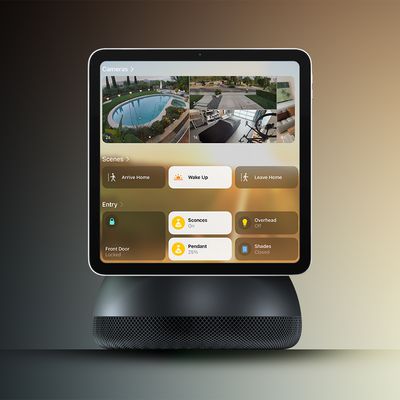
Apple's long-rumored smart home hub will have an iMac G4-style design and a host of unique features, Bloomberg's Mark Gurman reports.
The smart home hub is said to feature a square 6-inch display, with variants that can be placed on a countertop or mounted on a wall. It features a single FaceTime camera on the front, with microphones and speakers in its connected base. Gurman described the...
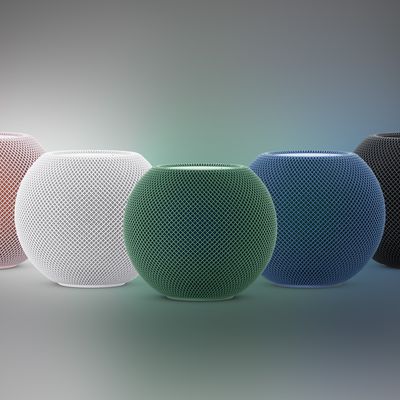
Apple plans to introduce a series of new smart home products on Tuesday, October 13, according to Bloomberg's Mark Gurman.
Apple reportedly plans to debut its long-awaited smart home hub device, a new HomePod mini, and a new Apple TV on the date. The new HomePod mini and Apple TV are set to retain their existing designs, but tout faster chips to support Siri AI. The new HomePod mini will...
If it was an iOS 10 issue, then everyone would be having the problem, not just T-Mobile customers. They pushed a buggy carrier update along with iOS 10 on Tuesday and that's the real culprit here.
Apple's first foldable iPhone, with a book-style design featuring a 5.4-inch outer display and a 7.6-inch inner display with a minimal crease down the middle.