Macintosh Icon Designer Reflects On Her Work at Apple
Susan Kare, who created many of the original interface elements for the Apple Macintosh in the mid–1980s, today reflected on her work at Apple in an interview with Path (via AppleInsider). Kare first joined Apple with the title "Macintosh Artist" through software programmer Andy Hertzfeld, who she knew from high school.

When asked about her design influences and her time at Apple, she had this to say:
I was so lucky to get to work in the Macintosh group with great colleagues and talented programmers. That experience introduced me to interface design development and how I might be able to contribute as a graphic designer to the overall user experience. It also gave me practice in aiming to communicate big concepts in small spaces.
At Apple, Kare was responsible for most of the typefaces and the icons of the original Macintosh, along with much of the marketing material. She is best known for the Chicago sans-serif typeface and the "Happy Mac" icon that welcomed early Mac users on startup.
Kare now works as an independent artist and created a set of "stickers" for social networking app Path.
Popular Stories
Update 10:04 a.m.: iOS 27 is rolling out now, though it may take a bit for all users to see it, so keep checking!
Apple is about to release iOS 27, which will finally deliver more advanced Siri AI capabilities as well as a variety of other refinements, improvements, and new features to iPhones. It's Apple's biggest software update of the year, and Apple announced at Wednesday's iPhone event...
Update — 10 a.m. Pacific Time: Apple has released iOS 27.
During its iPhone 18 Pro and iPhone Duo event last week, Apple announced that iOS 27 will be released widely on Monday, September 14.
iOS 27 should be available around 10 a.m. Pacific Time / 1 p.m. Eastern Time today via the Settings app, under General → Software Update.
Below, we have highlighted eight new features and...
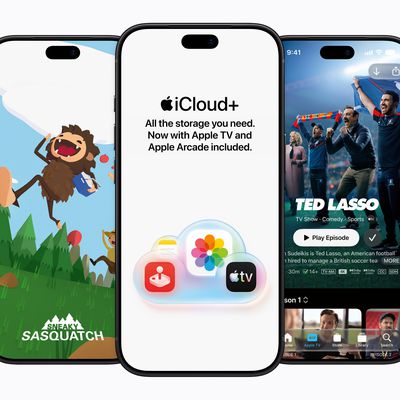
Apple today announced a new subscription initiative that turns paid iCloud+ subscriptions into a broader services bundle in more than 100 countries.
In select countries, Apple says every paid iCloud+ plan, including the cheapest 50GB tier, now includes Apple TV and Apple Arcade "at no additional cost," while family sharing extends the storage, TV and Arcade access to up to five people....