AllThingsD reports that Apple has issued a statement responding to this week's leak of one million unique device identifiers (UDIDs) for iOS devices, noting that it did not provide the FBI with the information. An FBI computer was claimed by the hackers to be the source of the information, but the FBI has denied any involvement in the situation.
“The FBI has not requested this information from Apple, nor have we provided it to the FBI or any organization. Additionally, with iOS 6 we introduced a new set of APIs meant to replace the use of the UDID and will soon be banning the use of UDID,” Apple spokesperson Natalie Kerris told AllThingsD.
With the AntiSec hackers claiming to be in possession of 12 million UDIDs as well as additional personal information tied to some of the numbers, it remains unclear exactly where the data came from.
Apple has been working to phase out use of the UDID, creating new tools to allow developers to track usage of their apps on a per-device basis. With the UDID being a universal identifier, it has been used by advertisers and others to collect information across apps and other usage to develop user profiles for marketing persons, and Apple's new system will seek to improve user privacy.
Saturday April 11, 2026 9:14 am PDT by Joe Rossignol
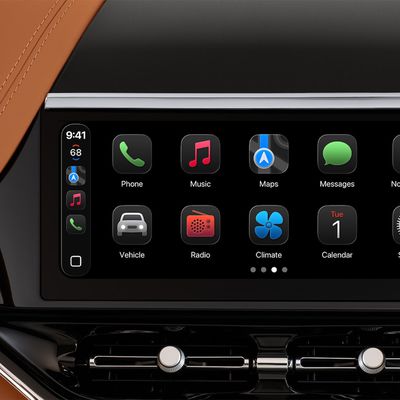
Last year, Apple launched CarPlay Ultra, the long-awaited next-generation version of its CarPlay software system for vehicles. Nearly a year later, CarPlay Ultra is still limited to Aston Martin's latest luxury vehicles, but that should change fairly soon.
In May 2025, Apple said many other vehicle brands planned to offer CarPlay Ultra, including Hyundai, Kia, and Genesis.
CarPlay Ultra...
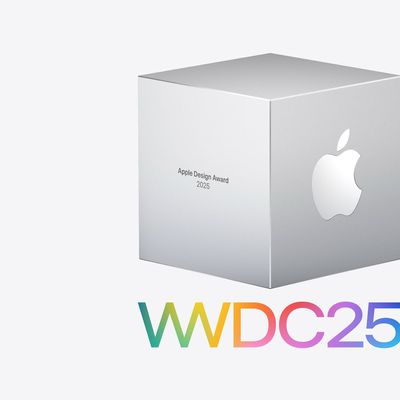
As we wait for WWDC to kick off next Monday, Apple today announced the winners of its annual Apple Design Awards, recognizing apps and games for their innovation, ingenuity, and technical achievement.
The 2025 Apple Design Award winners are listed below, with one app and one game selected per category:
Delight and Fun - CapWords (App) and Balatro (Game)
Innovation - Play (App) and PBJ -...
Tuesday April 14, 2026 4:39 am PDT by Tim Hardwick
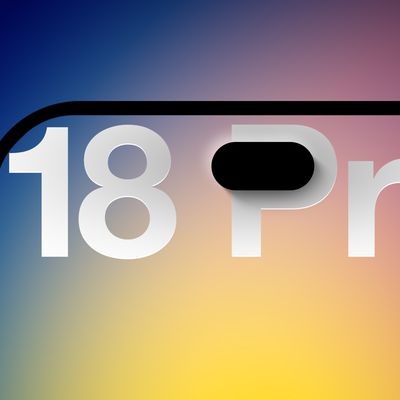
Apple's iPhone development roadmap runs several years into the future and the company is continually working with suppliers on several successive iPhone models at the same time, which is why we often get rumored features months ahead of launch. The iPhone 18 series is no different, and we already have a good idea of what to expect for the iPhone 18 Pro and iPhone 18 Pro Max.
One thing worth...
Saturday April 11, 2026 9:14 am PDT by Joe Rossignol
Last year, Apple launched CarPlay Ultra, the long-awaited next-generation version of its CarPlay software system for vehicles. Nearly a year later, CarPlay Ultra is still limited to Aston Martin's latest luxury vehicles, but that should change fairly soon.
In May 2025, Apple said many other vehicle brands planned to offer CarPlay Ultra, including Hyundai, Kia, and Genesis.
CarPlay Ultra...
As we wait for WWDC to kick off next Monday, Apple today announced the winners of its annual Apple Design Awards, recognizing apps and games for their innovation, ingenuity, and technical achievement.
The 2025 Apple Design Award winners are listed below, with one app and one game selected per category:
Delight and Fun - CapWords (App) and Balatro (Game)
Innovation - Play (App) and PBJ -...
Tuesday April 14, 2026 4:39 am PDT by Tim Hardwick
Apple's iPhone development roadmap runs several years into the future and the company is continually working with suppliers on several successive iPhone models at the same time, which is why we often get rumored features months ahead of launch. The iPhone 18 series is no different, and we already have a good idea of what to expect for the iPhone 18 Pro and iPhone 18 Pro Max.
One thing worth...
This is the US of A, after all, the "land of the free" with Patriot Acts galore.
A classic case of "plausible deniability" - what else would they say to the public? Or do you think agencies like the CIA also admit publicly to having secret prisons all over the world?
"Oh yes, we got this information as part of our secret national security efforts"?
Gimme a break, Sirs. Hackers are the harmless factor here; it's the FBI and other illegally-mandated agencies that have a lot to respond to the usually-benighted US citizens. And I am sure we will still read here some supportive comments stating that "No problem, they must have had some fine reason for doing so; after all, they fight every day to save our poor lives".
That is my best guess as well. If the FBI nor Apple had anything to do with it, the next logical source would be an app developer. Which now leads us to wonder what app(s) specifically could be the source.
1)They are the number one downloaded app of all time. 2)they have so much personal data of yours that it will make your head spin.
Imagine facial recognition software. Now imagine it with a database of self varified(tagged)photos in their system. We gave them everything they needed to create profiles on all of us. I am completely aware of how conspiracy theorist this sounds. I'm my opinion, Facebook is very dangerous. If I knew then what I know now I would never have signed up for an account. We basically gave them the keys to the castle. It might not be facebook directly. Maybe an employee collecting information for different agencies.