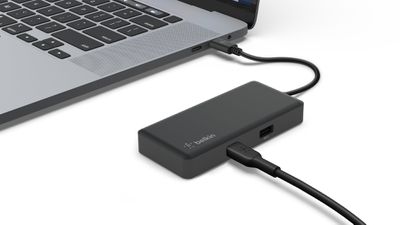
The Hub is designed to be mounted to the back of a monitor, computer stand, or monitor base, and tucked away from view. It features two USB-A ports, one USB-C port, one SD card slot, and a microSD card reader.
It mounts to the back of an iMac or other computer using two 3M Command strips, and there's a quick release button in case you need to use the hub on the go. It supports transfer speeds of up to 10Gb/s.
Belkin today also introduced the $80 USB-C 5-in-1 Multiport Adapter. Though designed for Chromebooks, the adapter is compatible with Macs, offering two USB-A ports, a Gigabit Ethernet port, an HDMI port that supports one 4K display at 60Hz, and an 86W USB-C power delivery port.
Friday October 16, 2026 4:37 pm PDT by Juli Clover
Verizon plans to charge customers $10 per month for the iPhone Handoff feature that Apple added in iOS 27. iPhone Handoff allows one phone number to be shared across two separate iPhones.
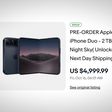
Pricing was included in Verizon's iPhone Duo announcement today, with the carrier confirming iPhone Handoff will work with the iPhone Duo and the iPhone 18 Pro models.
Verizon will support iPhone Handoff,...
Apple has begun inviting selected members of the media to a product launch experience in Los Angeles on Wednesday, October 28, according to Bloomberg's Mark Gurman.
In a post on X, Gurman described the gathering as an "all-day product launch experience" for touchscreen MacBooks, a new iPad mini, and Macs equipped with M6 chips.
Gurman previously reported that Apple would introduce the...
Thursday October 15, 2026 5:27 pm PDT by Juli Clover
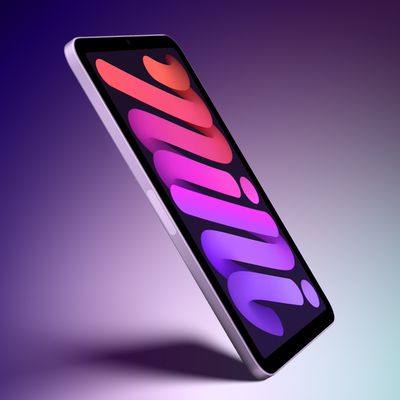
Apple has an unreleased iPad mini Smart Folio listed on its French regulatory website, hinting that a new iPad mini is coming. The case's A3632 model number doesn't match current or past iPad mini cases.
Apple appears to have added the case to its website recently, and it's listed alongside iPhone 18 Pro accessories added in September.
The listing doesn't include any iPad mini specs, but...
I'm sure everybody wants to make their iMac as ugly as this by attaching one of these. Not me, I'll take a big pass.
I went with the USB-C Slim Dock by Satechi in June for $120. ('https://www.amazon.com/gp/product/B08V83JZH4/ref=ppx_od_dt_b_asin_title_s00?ie=UTF8&psc=1')
I also added the 1TB SAMSUNG 980 SSD 1TB M.2 NVMe Interface Internal Solid State Drive with V-NAND Technology for Gaming, Heavy Graphics, Full Power Mode, MZ-V8V1T0B/AM ('https://www.amazon.com/gp/product/B08V83JZH4/ref=ppx_od_dt_b_asin_title_s00?ie=UTF8&psc=1')
Modern technology is really odd. It seems obvious that all these hubs are the same boards repackaged because they always have the same spec. 1 usb c , 1 card reader etc.
So what is actually going on here? If you find a hub with more than 1 usb c it’s ridiculous money. And usb c doesn’t even mean thunderbolt 4. So how does all of this work? Is there only 1 company building the guts of these interfaces? Why is it so hard for someone to make multiple USB ports?
I’d love to know the story about this because it’s been going on for years now.
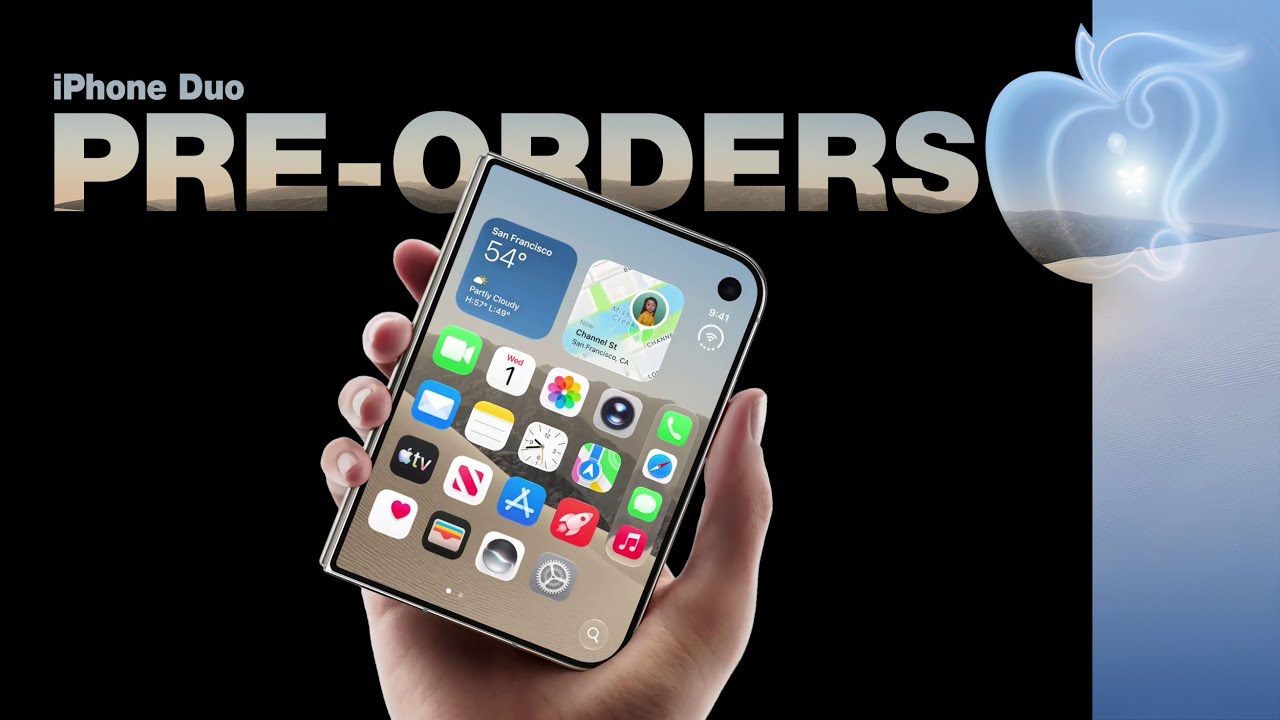
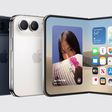
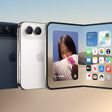
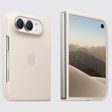
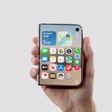
Apple's first foldable iPhone, with a book-style design featuring a 5.4-inch outer display and a 7.6-inch inner display with a minimal crease down the middle.