Google Planning to Take 'Baby Step' Approach to New Privacy Features for Users
Google is facing internal concerns that implementing an Android equivalent of Apple's ATT or App Tracking Transparency framework, which offers iOS and iPadOS users the ability to opt-out of tracking across apps and websites, will hurt its more than $130 billion annual spending budget for ads, according to a new report from The Information.

According to the report that cites sources within Google, the internet giant is "accelerating work to limit how app developers can track the 2.5 billion people who use phones powered by its Android software." Apple previewed ATT at its Worldwide Developers Conference last year, but it only recently shipped to iOS and iPadOS users.
At every WWDC, the company unveils new versions of its operating systems, including new privacy features and protection for users. Tomorrow, Google will be holding Google I/O, where similarly, it will preview a new version of Android and reveal other new technologies. However, according to the report, Google plans to take a "baby step" approach to new privacy features during its conference, only previewing minor new changes.
Google will take a baby step regarding phone privacy this week during its annual developer conference. There it plans to preview coming privacy controls that will make it easier for smartphone users to reach a settings screen where they can restrict apps’ abilities to access the phone’s camera, location and other permissions, according to a person who has seen the planned presentation.
Google's resistance to implementing an Android version of ATT could be fueled by backlash Apple faced in the run-up and even after the new framework was enacted. Major companies such as Facebook voiced concerns that the new framework presented a threat to its ad business, given that most users are likely to opt out of tracking. Apple continuously responded to concerns by echoing its firm belief that giving users a choice on whether they wish to be tracked or not is the right thing to do.
Popular Stories
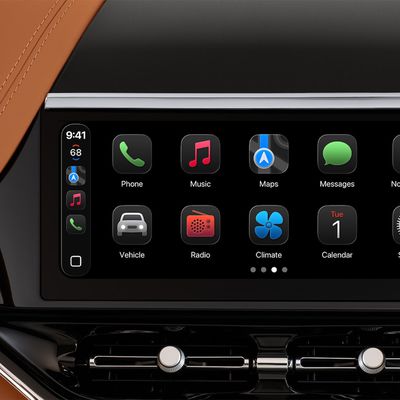
Last year, Apple launched CarPlay Ultra, the long-awaited next-generation version of its CarPlay software system for vehicles. Nearly a year later, CarPlay Ultra is still limited to Aston Martin's latest luxury vehicles, but that should change fairly soon.
In May 2025, Apple said many other vehicle brands planned to offer CarPlay Ultra, including Hyundai, Kia, and Genesis.
CarPlay Ultra...
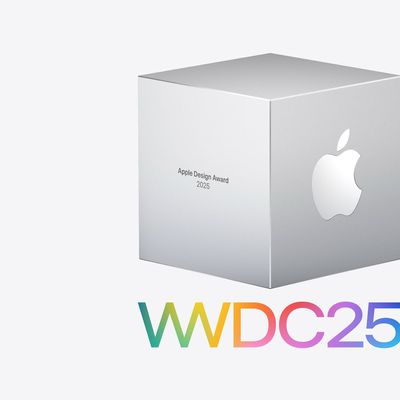
As we wait for WWDC to kick off next Monday, Apple today announced the winners of its annual Apple Design Awards, recognizing apps and games for their innovation, ingenuity, and technical achievement.
The 2025 Apple Design Award winners are listed below, with one app and one game selected per category:
Delight and Fun - CapWords (App) and Balatro (Game)
Innovation - Play (App) and PBJ -...
While the AirPods Max 2 received more attention, Apple also released a second pair of headphones last month: Nike Powerbeats Pro 2.
Nike Powerbeats Pro 2 are the same as the regular Powerbeats Pro 2, except they have a two-tone design consisting of black and Nike's signature Volt neon green-yellow color. The headphones were released on March 20 in the U.S., Canada, Australia, the U.K., and a ...
Popular Stories
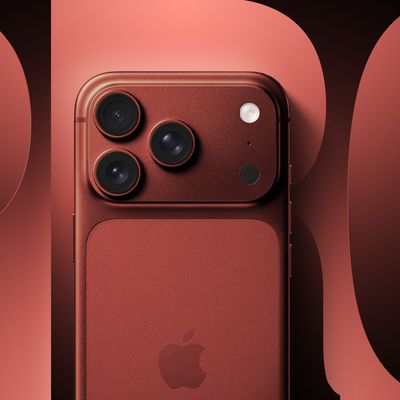
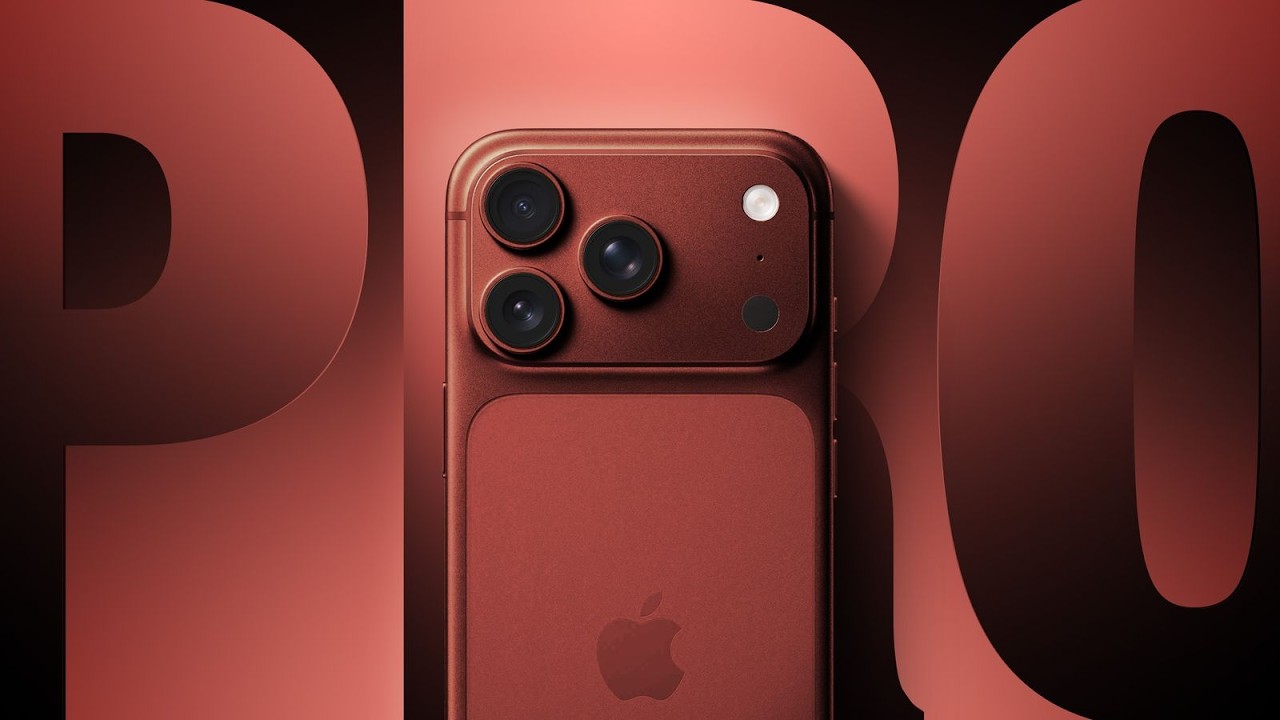
Apple's upcoming iPhone 18 Pro is very likely to come in a new deep red color, claims a Chinese leaker, because the color is already being prototyped by Android phone makers.
In February, Bloomberg's Mark Gurman reported that Apple is testing a deep red finish for the iPhone 18 Pro and iPhone 18 Pro Max. Rumors of purple and brown finishes have also circulated, but Gurman believes those are ...
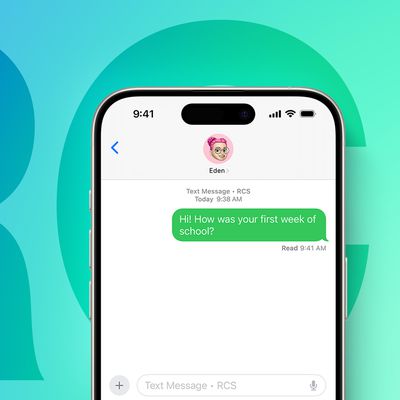
Apple tested end-to-end encryption (E2EE) for RCS messages exchanged between iPhone and Android users in the iOS 26.4 beta, but Apple made it clear the functionality was not going to launch in the iOS 26.4 update.
E2EE for RCS was removed before iOS 26.4 was released, but the feature is back in the iOS 26.5 beta as Apple continues testing it.
In the Messages section of the Settings app,...
Google today said that Android has set a new record for mobile web performance, making it the fastest mobile platform for web browsing.
The newest Android devices have set new records on web performance benchmarks like Speedometer and LoadLine, which Google attributes to "deep vertical integration across hardware, the Android OS, and the Chrome engine."
Speedometer simulates real-world...