Firefox Updated With Native Support for M1 Macs, Mozilla Touts 'Dramatic Performance Improvements'
Mozilla today released Firefox version 84 with native support for Apple Silicon Macs with the M1 chip, touting "dramatic performance improvements" over the previous, unoptimized version of the web browser.

Specifically, Firefox now launches over 2.5 times faster and web apps are now twice as responsive, according to Mozilla.
If you are using a Mac with the M1 chip, Mozilla says you will need to fully exit and restart Firefox after upgrading to version 84 in order for the browser to run natively on Apple Silicon. Mozilla promises not only faster performance, but also better battery life.
Firefox 84 is also the final version to support Adobe Flash.
Apple recently shared a list of popular apps optimized for M1 Macs that are available in the Mac App Store, such as Pixelmator Pro, Adobe Lightroom, Affinity Designer, Darkroom, Fantastical, OmniFocus, BBEdit, Instapaper, and Twitter. Apple boasted that apps optimized for the M1 chip deliver "game-changing speed and capabilities."
Last month, Apple released its first Macs with the M1 chip, including a new 13-inch MacBook Pro, MacBook Air, and Mac mini.
Popular Stories
Mozilla today said it is adding an ad blocker to Firefox for iOS, allowing users to block many third-party ads and ad-related trackers.
The ad blocker uses the EasyList filter list and Apple's WebKit Content Blocker technology, which is the same content-blocker API Safari ad blockers use. App Store ad blockers only work with Safari, so Mozilla built the feature directly into the app....
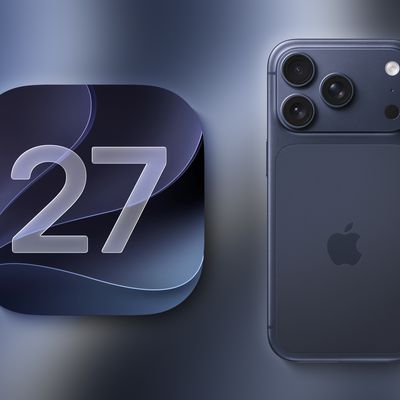
Update 10:04 a.m.: iOS 27 is rolling out now, though it may take a bit for all users to see it, so keep checking!
Apple is about to release iOS 27, which will finally deliver more advanced Siri AI capabilities as well as a variety of other refinements, improvements, and new features to iPhones. It's Apple's biggest software update of the year, and Apple announced at Wednesday's iPhone event...
Update: Apple has released iOS 27.
During its iPhone 18 Pro and iPhone Duo event last week, Apple announced that iOS 27 will be released widely on Monday, September 14.
iOS 27 should be available around 10 a.m. Pacific Time / 1 p.m. Eastern Time today via the Settings app, under General → Software Update.
Below, we have highlighted eight new features and changes coming with iOS...