Manhattan District Attorney Cy Vance Jr. built and oversees a $10 million high-tech forensics lab built expressly for the purpose of cracking iPhones, according to a new profile done by Fast Company.
The lab is equipped with "mind-bending hardware" and a team of technology experts, many of whom are ex-military. The facility itself features a radiofrequency isolation chamber that prevents iPhones being used in investigations from being accessed remotely to keep them from being wiped.
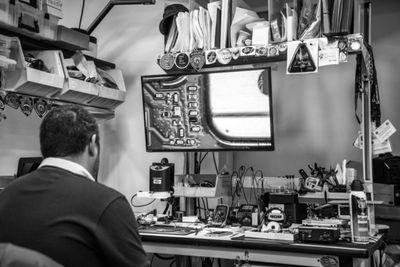
Vance's team has thousands of iPhones at the facility in various stages of being cracked. There's a supercomputer that generates 26 million random passcodes per second, a robot that can remove memory chips without using heat, and specialized tools for repairing damaged devices to make them accessible once again.
All of the iPhones are hooked up to computers that are generating passcodes in an effort to get into the iPhones, and sometimes that requires going through tens of thousands of number combinations. Those who work at the facility, including director Steven Moran, also attempt to narrow down possibilities using birthdays, significant dates, and other info that could be used in each specific case for an iPhone passcode.
Proprietary workflow software tracks all of the iPhones at the facility, including their software and their importance, for the purpose of deciding which iPhone to work on and which might be able to be cracked using a newly found third-party solution.
Vance has been a major critic of Apple and has called on the government to introduce anti-encryption legislation to make it easier for law enforcement officials to get into iPhones needed for criminal investigations. According to Vance, 82 percent of smartphones that come into the unit are locked, and his cybercrime lab can crack "about half."
Apple's frequent software updates continually make breaking into iPhones harder by making the process more complicated, which can make it close to impossible to breach an iPhone in a timely manner. "The problem with that, particularly from a law enforcement perspective, is, first of all, time matters to us," said Vance.
Vance believes that it's "not fair" that Apple and Google can prevent law enforcement officials from accessing smartphones. Vance says that law enforcement is entrusted with a responsibility to "protect the public" but Apple and Google have limited access to information "just because they say so." Vance is of the opinion that there should be a "balance" between protecting user privacy and getting justice for victims of crimes.
"That's not their call. And it's not their call because there's something bigger here at issue rather than their individual determination of where to balance privacy and public safety. What's bigger is you've got victims and you've got a law enforcement community who have strong imperatives that should be recognized and balanced equally with the subject decision-makers by the heads of Apple and Google. Today, I think it's unbalanced.
Apple's argument is that it provides iPhone data from iCloud without breaking into the iPhone itself, but Vance says that a serious criminal doesn't have an iCloud backup. A user can also choose what information is stored remotely, and "in many cases" smartphones do not backup between the time when a crime takes place and an iPhone is shut off.
Law enforcement officials can also obtain device metadata like the time and location of a phone call from SIM cards or phone carriers, but Moran says that's the difference between being able to read a letter and being limited to just the envelope the letter came in.
"Even if we are lucky enough to get into the cloud or even if we're lucky enough to get some of the metadata, we're still missing an awful lot of important information that's critical to the investigation."
Vance says that he's not "whining" about the encryption problem, but his lab is "not the answer" as most of the U.S. can't afford to do the work that the New York cyber lab does.
Fast Company's profile of Vance's cyber lab comes as Apple is gearing up for another battle with the FBI. Apple has been asked to unlock the iPhones used by Florida shooter Mohammed Saeed Alshamrani, and while Apple has provided iCloud data, the company will fight requests to unlock the actual devices.
For more on New York's High Technology Analysis Unit and facility, make sure to check out Fast Company's full profile.
Note: Due to the political nature of the discussion regarding this topic, the discussion thread is located in our Political News forum. All forum members and site visitors are welcome to read and follow the thread, but posting is limited to forum members with at least 100 posts.