Apple Spent $60B on 9,000 American Suppliers in 2018, Supporting 450K Jobs
Well timed with a report from The New York Times today that explained why Apple is unlikely to manufacture more of its products in the United States, Apple has published a press release highlighting how several components it uses are manufactured by U.S. suppliers such as Finisar, Corning, and Broadcom.
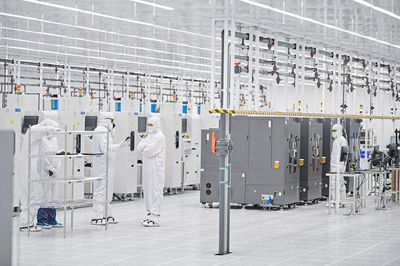
Finisar
Apple says it spent $60 billion with 9,000 American component suppliers and companies in 2018, an increase of more than 10 percent from the year before. Apple says this spending supports more than 450,000 jobs in the United States.
This includes VCSELs for Face ID on the iPhone X and newer at Finisar in Texas, iPhone and iPad display glass at Corning in Kentucky, water-resistance testing at Cincinnati Test Systems in Ohio, and wireless chips at Broadcom, Qorvo, and Skyworks in Colorado, Oregon, and Massachusetts respectively.
Since 2011, the total number of jobs created and supported by Apple in the United States has more than tripled from almost 600,000 to two million across all 50 states, the company says. Apple profiled a few of its supplier employees in its press release, providing a closer look at their operations.
Popular Stories
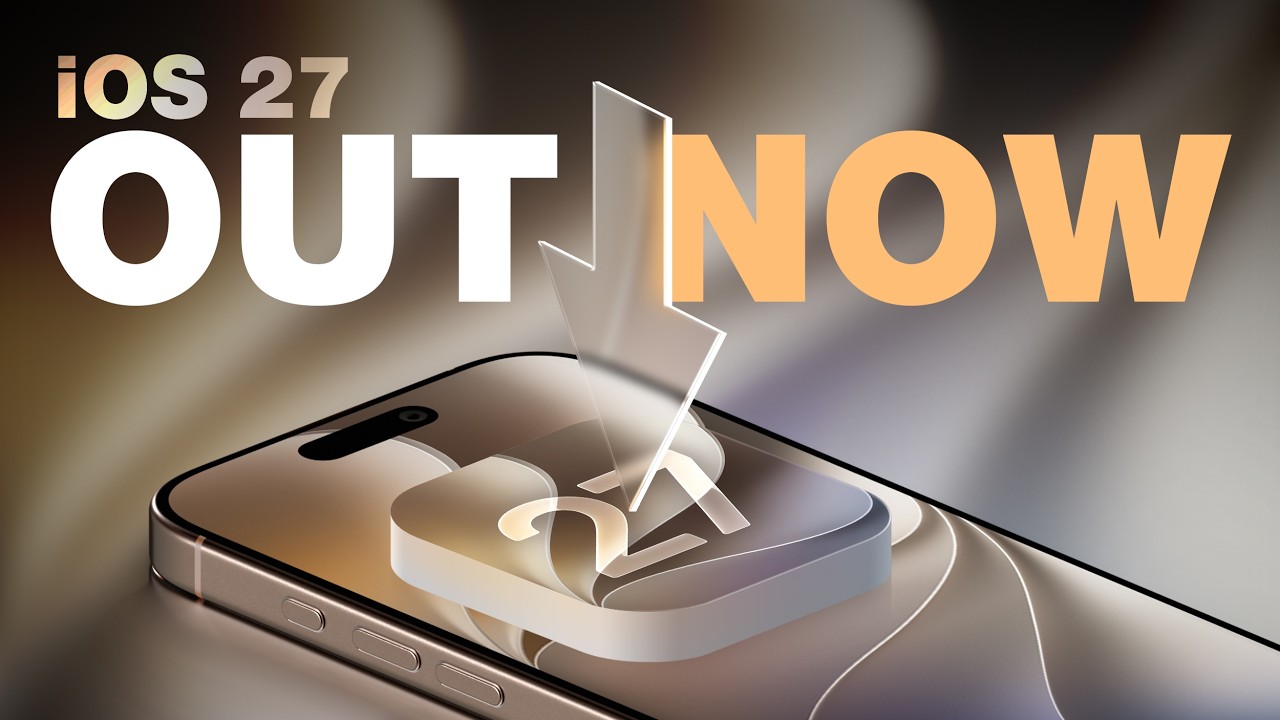
Update 10:04 a.m.: iOS 27 is rolling out now, though it may take a bit for all users to see it, so keep checking!
Apple is about to release iOS 27, which will finally deliver more advanced Siri AI capabilities as well as a variety of other refinements, improvements, and new features to iPhones. It's Apple's biggest software update of the year, and Apple announced at Wednesday's iPhone event...
Update — 10 a.m. Pacific Time: Apple has released iOS 27.
During its iPhone 18 Pro and iPhone Duo event last week, Apple announced that iOS 27 will be released widely on Monday, September 14.
iOS 27 should be available around 10 a.m. Pacific Time / 1 p.m. Eastern Time today via the Settings app, under General → Software Update.
Below, we have highlighted eight new features and...
As noted by Nicolas Lellouche, who writes for the French tech website Numerama, Apple has updated its tech specs pages for the iPhone 18 Pro and iPhone 18 Pro Max to clarify which models are equipped with its new C2 cellular modem and where.
Apple now says the iPhone 18 Pro has a C2 modem worldwide, while the iPhone 18 Pro Max uses the chip in every country except for the U.S.
According...