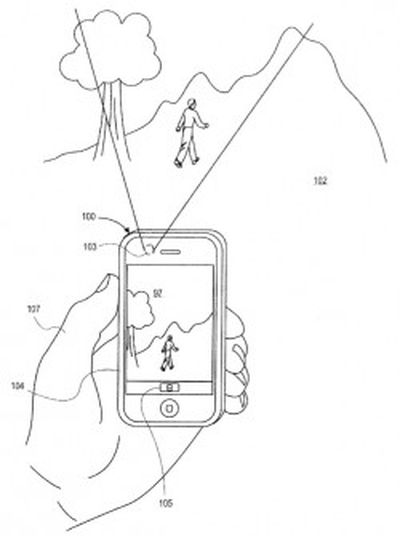
 A newly-published patent application from Apple discovered by AppleInsider describes methods that would allow an iPhone to buffer a series of photos before the user presses the shutter button for the device's camera and then automatically select the best one.
It is not uncommon for camera-shake or a less than optimal angle to result in blurry or dark photos in low-light conditions, even on the relatively capable camera on the iPhone. What the patent allows for is for the camera to start taking a series of photos before the user presses the shutter release, then automatically compare them with the one taken at the moment the button was pressed. If the system judges that one of the buffered photos is better, it stores that one in place of the one taken at shutter release.
In particular, the system seeks to minimize the camera shake that can accompany press the iPhone's volume button or tapping the screen to trigger the shutter by capturing images before the button or screen is even touched.
The algorithm described in the patent application uses a scoring system which measures contrast (the usual method used to judge focus), image resolution, dynamic range (the balance of light and dark tones in the image) and color rendering properties to determine which is the best version of the photo. The others are then discarded.
While the selection of the image is an automatic process, the system could allow the user to confirm the device's choice of the best available photo.
The patent application was filed in October of last year but references an earlier application filed in 2009, so it is possible that elements of this approach are used in current iPhones and iPads, although it is clear that the current Camera app for iOS does not include all aspects of the system.