Microsoft Offers Workarounds for iOS 6.1 Exchange Bug - MacRumors
Skip to Content

Microsoft Offers Workarounds for iOS 6.1 Exchange Bug
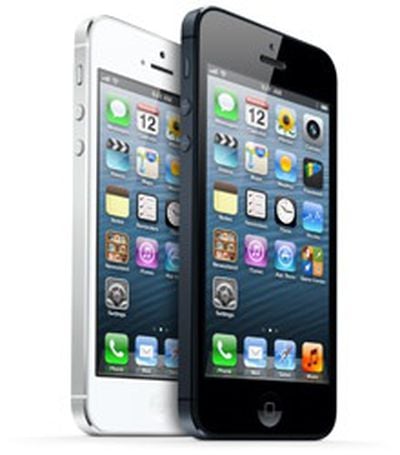
iphone_5_black_whiteiOS 6.1, which was released two weeks ago, brought with it a handful of serious bugs. The first bug, which affected 3G performance on the iPhone 4S was fixed yesterday, following Apple's release of 6.1.1 for the iPhone 4S.

The second bug involved an error that caused iOS devices running 6.1 to continuously loop when synchronizing a recurring calendar meeting invitation on Microsoft Exchange. This error, which causes excessive memory consumption, was not fixed with yesterday's 6.1.1 update.

As noted by 9to5Mac Microsoft has published an official support document offering workarounds for the error.

Microsoft offers up several fixes, including the recommendation not to process Calendar items like meeting requests on iOS 6.1 devices. The company also recommends immediately restarting the devices and renewing the device partnership to halt the continuous looping access.

Devices using iOS 6.1 should be blocked or throttled, says Microsoft, in order to reduce the effect on server resources.

While none of these options are true fixes, Microsoft mentions that it is working with Apple to investigate the issue and suggests customers open an Enterprise Support case with Apple, via Enterprise agreement or a pay-per-incident case report.

Popular Stories

Four iPhone 18 Pro Colors Mock Feature

iPhone 18 Pro: Pre-Orders and Release Date

Thursday August 20, 2026 8:00 am PDT by
Apple has yet to reveal when the iPhone 18 Pro and iPhone Ultra will be announced and released, but the dates usually follow a familiar pattern. As usual, the iPhone event is expected to take place in the first half of September. Labor Day falls on September 7 this year. The last time the holiday was on that day was in 2020, but the iPhone event that year was delayed until October due to...
macOS 27 next to MacBook Pro Running macOS 27

macOS Golden Gate Marks the End of an Era

Thursday August 20, 2026 2:19 pm PDT by
macOS 27 Golden Gate is not compatible with any Macs with Intel processors, marking the end of an era. The update, which is currently in beta ahead of a release later this year, is limited to Apple silicon Macs with an M1 chip or newer. Last year, Apple said that macOS 26 Tahoe would be the final macOS release compatible with Intel-based Macs, so this was an expected development. Intel...
Aston Martin CarPlay Ultra Screen

Apple Says CarPlay Ultra is Coming to These Vehicle Brands

Wednesday August 19, 2026 12:53 pm PDT by
Last year, Apple launched CarPlay Ultra, the long-awaited next-generation version of its CarPlay software system for vehicles. More than a year later, CarPlay Ultra is still limited to Aston Martin's latest luxury vehicles, but that should change in the foreseeable future. In May 2025, Apple said many other vehicle brands planned to offer CarPlay Ultra, including Hyundai, Kia, and Genesis. ...

Top Rated Comments

177 months ago
It just works.

Yeah..it used to :rolleyes:
Score: 8 Votes (Like | Disagree)
177 months ago
I don't think you realize how intricate and complex an OS is. Updating other parts can break things that used to work but are unrelated.

It's called quality control and software testing.
Score: 7 Votes (Like | Disagree)
ouimetnick Avatar
177 months ago
It's called quality control and software testing.

something that is rarely done at Apple these days.

OSX 10.7 and 10.8 are horrible. Slow buggy resource hogs. Stop adding iOS features, and start fixing the OS
Score: 6 Votes (Like | Disagree)
177 months ago
[/COLOR]I'm suspicious that any problems involving Exchange are at least partially Microsoft's fault. I've had to deal with Exchange servers, and they SUCK. Plus, they somehow managed to fragment their own system. There are different versions of Exchange.
They removed IMAP for global mailboxes/folders, which isn´t needed anymore. If you care about that, you´re still running Exchange 2003, which isn´t affected by this iOS bug at all. And yes, there are different version of Exchange, like with any other software.

If you had to deal with iOS devices and Exchange 2007/2010 daily in a big company (2000-5000 people), your view would be a lot different. I promise.

The problems with a complex IT infrastructure (BYOD is making everything even more annoying and hard to manage) is always attributed to people who don´t have the necessary knowledge or time to run or support it. Today, one major factor that adds to that is complexity.

I´ve worked with several companies as an IT Systems Engineer (e.x. Exchange Messaging environment) and I have rarely seen such big problems like with Apple iOS devices in the whole IT (communication) infrastructure. There obviously is a problem with Apple, who doesn´t seem to communicate their releases and/or just doesn´t test them throughfully, because they just don´t care about MS or other products. They want their services to work first and at the very end of the list, there´s "other" products. At least it seems that way.

Normally you would throughfully test a new release like 6.1, especially if it´s mainly a bugfix release. If there´s barely any new features it should under no circumstances break anything that has worked before.

However, with almost any release since iOS 5.0 there were some Exchange related problems, which I personally have verified through intensive testing and working very close with MS, giving feedback to MS as well as Apple. These bugs weren´t there because of installed Exchange hotfixes, Exchange SPs or configuring problems with Exchange. They simply appeared after you connected an iOS device with an users mailbox, used the calendar on the iOS device and approved or declined a meeting request (and that´s only one problem) that was send e.x. with Office on another client to Exchange. We´ve always had to tell everyone not to process calendar items such as meeting requests on iOS devices since iOS 5.0, to be safe.

Also, there was some annoying bug, where whole meetings got deleted as a whole, which was very concerning. All this was fixed when 5.1.1 was released. 5.1.1 was an extremely good release, it just worked.

Now the part were it gets interesting:
"Real" Macs like Macbooks or Macbook Pros weren´t affected at all. Every single problem was an iOS problem and it could be reproduced, some needed a couple of dozen steps to reproduce them, because iOS seems to work very differently than MacOS, when it comes to their mail code.

Another thing, while you made it sound like MS is at fault here:
Of course there are different versions of Exchange, but if you´re a company you don´t care at all, because you shouldn´t mix Exchange versions forever, while being in a live production environment. You only do that while you´re in the migration phase (which can last very long in big companies) and then you have to mix, otherwise you cannot migrate. This is not MS related at all, that´s just the way it´s being done in IT, because you cannot migrate everything in one single step if the company is too big.

I´ve rarely seen such a good working and supported product as Exchange is. Especially if you take into account how extremely complex a messaging infrastructure is, with various hardware and OSes communicating with it. People just like to blame Microsoft for everything, because of their huge market share in the past (and with Exchange, they still are big). MS was everywhere. MS was an easy target.

Yes, MS also does a lot of things that just seem stupid or are annoying from a single user perspective, but if we´re only talking about software, software will always come with bugs, it´s just a matter of how important they are or how they affect the big picture. Some bugs are there, but they will never be found, because they just don´t matter.

Apple needs to stop that madness that is constant Exchange iOS bugs, while MacOS works perfectly fine.

PS: It´s like Apple´s iOS WLAN problems that are there since 6.0. I have had like a couple dozens of 5.1.1 devices with the same professional WLAN capable devices like firewalls, access points or routers that just worked perfectly. After I´ve upgraded to 6.0, there were reception problems, constant lockups of the iOS WLAN (needed to restart or reset the device, sometimes even a full restore) or the device just didn´t find the WLAN at all. At home, when I enable to hide my SSID, 5.1.1 finds my WLAN, 6.0 just doesn´t care. So I needed to disable that option in my router, just because Apple wants it that way.

I just don´t get why Apple makes constant changes to their WLAN code and breaks things, I just don´t get it. Looks like a job opportunity.
Score: 5 Votes (Like | Disagree)
QuarterSwede Avatar
177 months ago
Didn't exchange work fine on iOS 5? If wasn't broken, why did iOS 6 seem to break exchange?
I don't think you realize how intricate and complex an OS is. Updating other parts can break things that used to work but are unrelated.
Score: 5 Votes (Like | Disagree)
a.gomez Avatar
177 months ago
It just works.

Yeah..it used to :rolleyes:

Welcome to the iOS years.
Score: 5 Votes (Like | Disagree)