iPhone SE 4 Mass Production Timeframe Revealed as Launch Gets Closer
Apple suppliers will begin mass production of the fourth-generation iPhone SE in December, supply chain analyst Ming-Chi Kuo said today in a blog post.
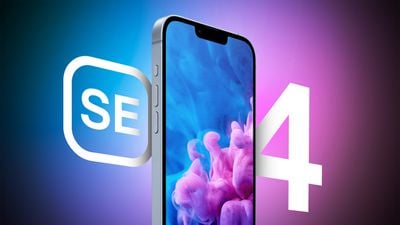
The fourth-generation iPhone SE is expected to have a similar design as the base iPhone 14, with rumored features including a 6.1-inch OLED display, Face ID, a newer A-series chip, a USB-C port, a single 48-megapixel rear camera, 8GB of RAM to enable Apple Intelligence support, and the first-ever Apple-designed 5G modem.
The new iPhone SE is expected to be released in the first half of 2025, with a launch in March or April most likely, and mass production of the device beginning in December would make sense given that timeframe. Kuo estimates that Apple suppliers will produce around 8.6 million fourth-generation iPhone SE units through the first quarter of next year.
Apple released the current iPhone SE in March 2022.
Popular Stories
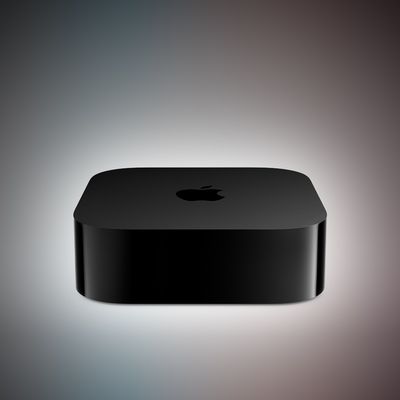
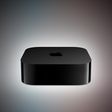
MacRumors contributor Aaron Perris has uncovered an image file from Apple for an unreleased Apple TV 4K, suggesting that a new model will finally be released soon. The image is specifically for an "Apple TV 4K (4th generation)" model.
Apple TV 4K (4th generation) image (on a gradient)
The image reveals that the Apple TV will have the same external design as the current model, with all of its...
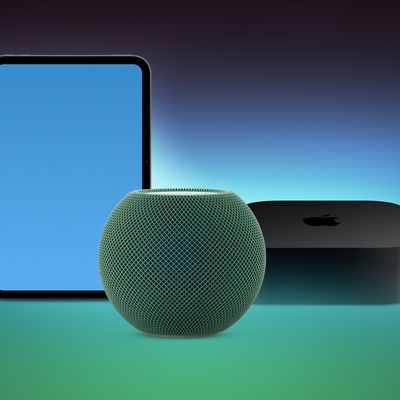
The next iPad mini, HomePod mini, and Apple TV 4K models have all leaked, just a few weeks before the devices are expected to be announced. Specifically, MacRumors contributor Aaron Perris discovered a few of Apple's official images of the devices, confirming their existence and some new features that are planned.
The most notable iPad mini details revealed in today's leak include an A20 Pro ...
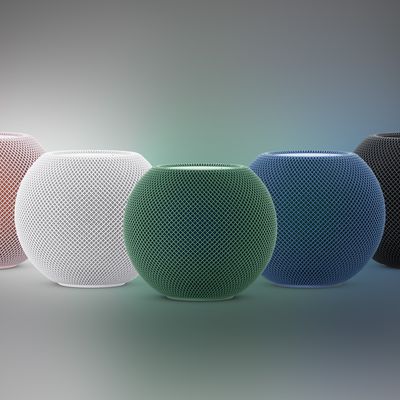
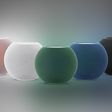
Apple's new HomePod mini will share the same design as the original model and come in five colors, MacRumors has found.
The information originates from Apple's own code (spotted by MacRumors contributor Aaron Perris) and shows clear product images of the new models in all of their colors. The above image contains Apple's own icons, which specifically refer to a "HomePod mini 2."
The new...