Apple ID Security Keys Feature Now Supports iCloud for Windows
If you have physical security keys set up for your Apple ID account, you can now sign in to iCloud on Windows, after updating the app to version 15 or later. Apple confirmed this change in a support document updated today.
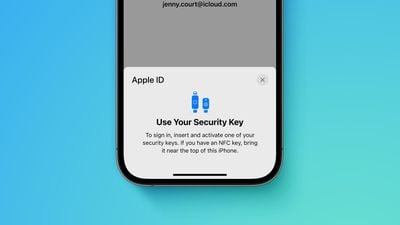
Previously, signing in to iCloud for Windows was not an option whatsoever after turning on the Apple ID security keys feature.
Apple ID security keys support was introduced early last year with iOS 16.3, iPadOS 16.3, and macOS 13.2. When the optional setting is turned on, signing in to an Apple ID requires entering the account's password and then using a FIDO-certified security key to complete two-factor authentication, instead of a traditional six-digit verification code from another Apple device. These security keys typically look similar to a USB thumb drive.
Apple says the feature is "designed for people who want extra protection from targeted attacks, such as phishing or social engineering scams." You should be extra careful if you turn on the feature, as you could be locked out of your Apple ID account permanently if you lose all of your trusted Apple devices and security keys.
Popular Stories
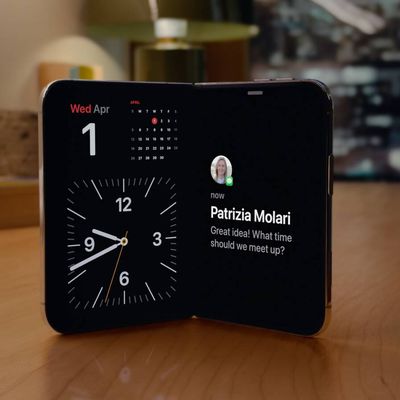
Some Apple retail employees have been told to warn customers against visiting to purchase an iPhone Duo without a pre-order on Friday, October 23.
Apple Store employees told MacRumors that they have been advised that there will likely be no iPhone Duo stock available for walk-in purchases on launch day. Staff have been instructed to discourage customers without pre-orders from coming in...
Apple today sent out invites for an experience in Los Angeles on Wednesday, October 28, and the "Pro and tell" tagline on the invitation likely means that the rumored MacBook models with touch-enabled OLED displays will stick with MacBook Pro branding instead of the once-rumored "MacBook Ultra" name.
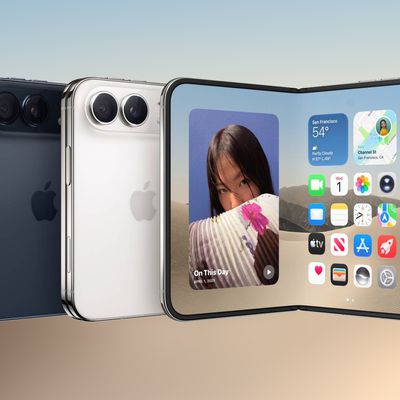
The long-rumored "iPhone Ultra" ended up being named iPhone Duo, so speculation that Apple...
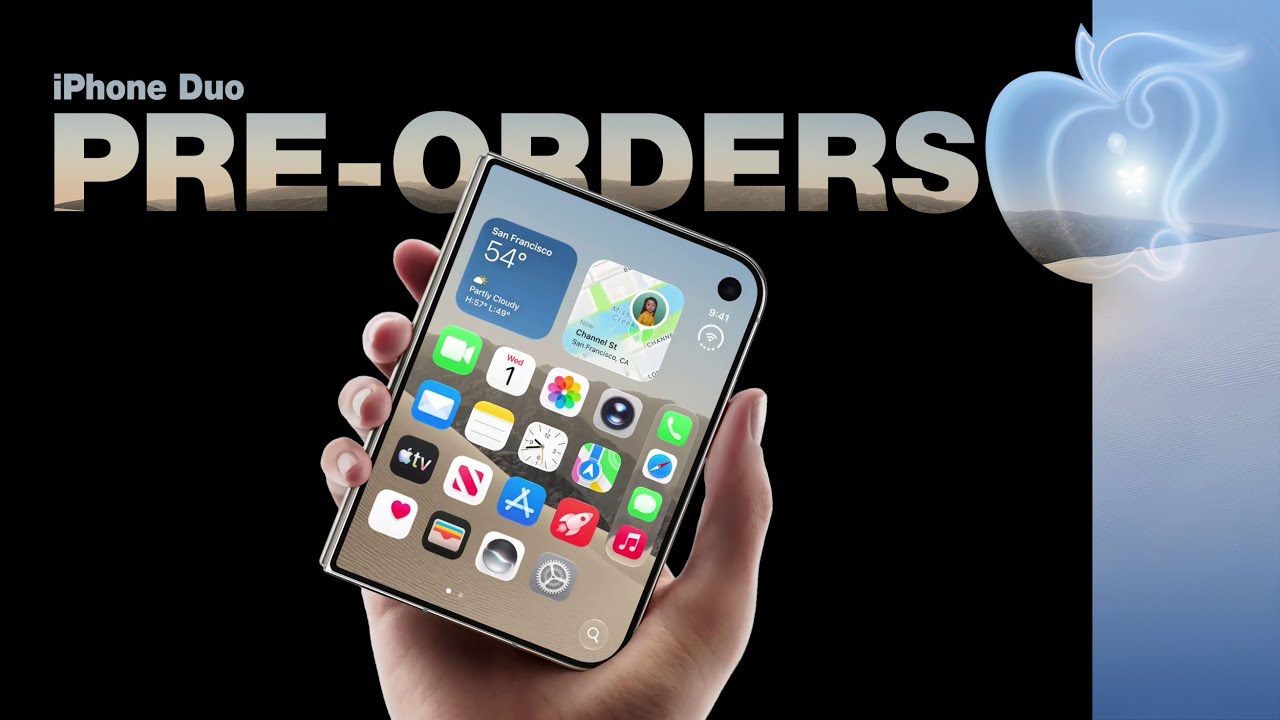
Despite knowing that the iPhone Duo would face "severe supply constraints" due to manufacturing challenges, Apple chose to begin iPhone Duo pre-orders on Friday instead of waiting until it had more inventory ready, according to Bloomberg's Mark Gurman. In his Power On newsletter today, he called this decision a "major mistake."
"Let me cut to the chase: Apple made a major mistake here," he...