Chip supplier TSMC has taken the unusual step of not charging Apple for defective 3nm chips ahead of the introduction of the iPhone 15 Pro and the A17 Bionic chip, The Information reports.
The iPhone 15 Pro is widely rumored to feature the A17 Bionic chip – Apple's first chip manufactured with a 3nm fabrication process. The 3nm node allows transistors to be even more densely packed, resulting in better performance and efficiency.
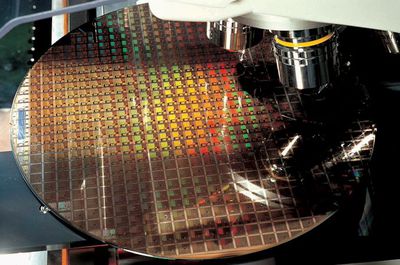
Introduction of upgraded chip technology like 3nm involves the production of a high number of defective chips until the manufacturing process can be perfected. According to The Information, TSMC is only charging Apple for "known good dies," with no fee for defective chips. This is highly unconventional, since TSMC clients usually have to pay for the wafer and all of the dies it contains, including any defective ones.
Since Apple's orders from TSMC are so large, it can apparently justify absorbing the cost of defective chips. Apple's willingness to be the supplier's first customer for new manufacturing processes helps it pay for the research and development of new nodes, as well as the facilities to make them.
The size of Apple's orders also enable TSMC to more quickly learn how to improve and scale up a node during mass production. Once production and yield issues with manufacturing 3nm chips improves and other customers seek the technology, TSMC can demand higher prices from those clients, as well as charge for defective dies.
Update: According to Apple analyst Ming-Chi Kuo, The Information's report is not quite accurate. Kuo says that Apple's standard deal with TSMC does not ever include "defective" chips. Apple purchases "finished goods" that are of the expected quality rather than "wafer-buy," which can include defective chips.
Most chip buyers have a "wafer-buy" deal with TSMC and must eat the cost of defective chips, but in the case of TSMC and Apple, TSMC absorbs the cost through the price of the chips.
近期媒體報導台積電不向Apple要求支付3nm不良品成本與我的理解不同。 客戶向台積電採購晶片,大抵有兩種交易方式,分別是成品採購 (finished goods buy) 與晶圓採購 (wafer buy)。 絕大部分的採購方式都是晶圓採購,因為台積電的良率夠好,好到可以忽視不良品成本。… — 郭明錤 (Ming-Chi Kuo) (@mingchikuo) August 9, 2023