Kuo: iPhone 15 Pro Models to Feature Improved LiDAR Scanner
Sony will replace Lumentum and WIN Semi as the exclusive supplier of LiDAR Scanner components for the iPhone 15 Pro and iPhone 15 Pro Max, according to the latest information shared by reputable Apple analyst Ming-Chi Kuo.
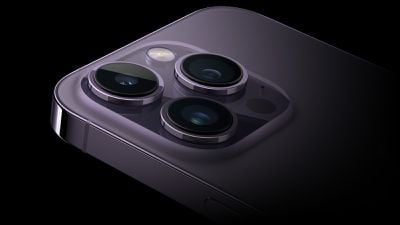
In a series of tweets today, Kuo said Sony's time-of-flight VCSEL has lower power consumption than those from Apple's existing suppliers. This would result in the LiDAR Scanner being more power efficient on the iPhone 15 Pro models, which Kuo said could either contribute to longer battery life or allow for the LiDAR Scanner to offer improved performance at the same level of power consumption as on existing iPhones.
Kuo said the improved LiDAR Scanner could benefit camera features, like Night mode and autofocus, as well as augmented reality uses. First introduced on iPhone 12 Pro models in 2020, the LiDAR Scanner can measure light distance and capture depth information, and the hardware is expected to remain exclusive to iPhone 15 Pro models.
Popular Stories
Apple has announced that the long-running Apple Support Community discussion forums for user-to-user tech support will be permanently closing on Friday, November 20. The forums have existed in some form for nearly 30 years, so it is the end of an era.
Effectively immediately, the Apple Support Community forums are in a read-only state, with new posts no longer being accepted. The final...
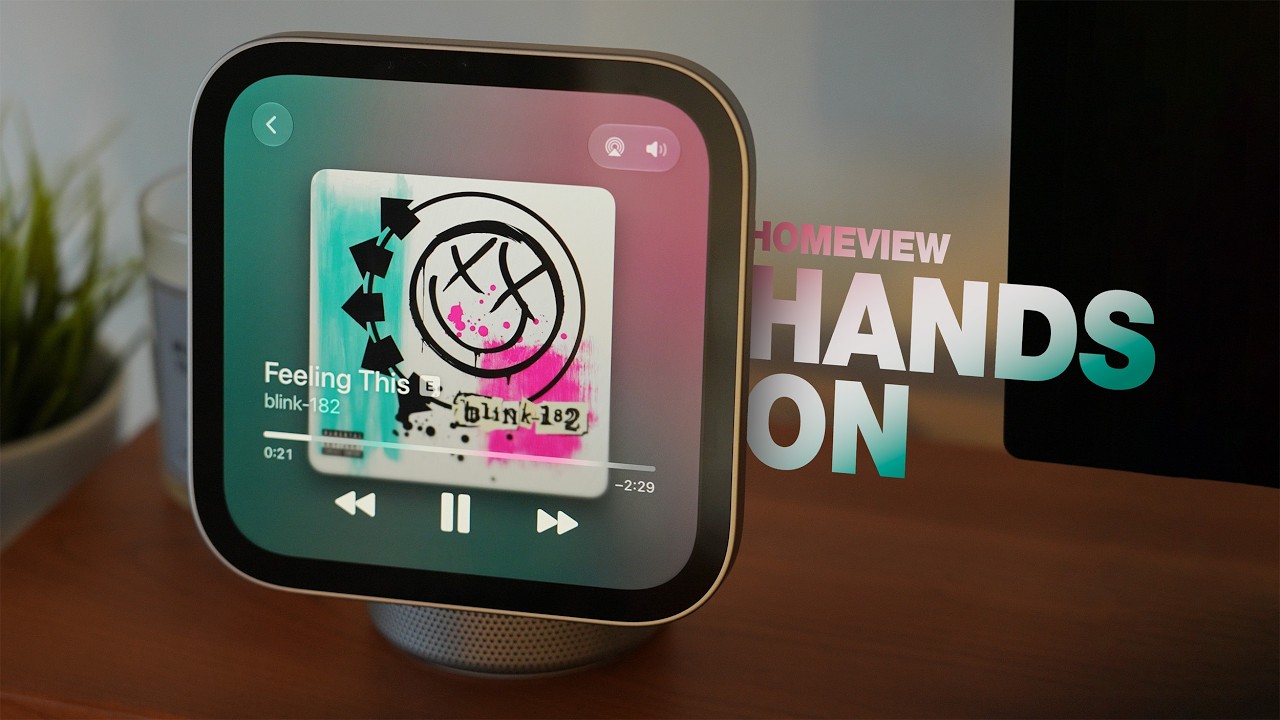
The Apple launches keep coming! The company is set to release two new products on Friday, November 13: the all-new Apple HomeView and the fourth-generation Apple TV 4K, both of which have been available to pre-order since mid-October.
Apple HomeView: Apple's new smart home display, powered by Apple Intelligence with Siri AI, for entertainment and managing the home. Available in tabletop and...
Apple has made a change to its development process for iOS 28, macOS 28, and corresponding software updates, according to Bloomberg's Mark Gurman.
In his Power On newsletter today, he said Apple separates development of each year's new operating systems into three major stages. Typically, he said each stage consists of four weeks of coding followed by a four-week "convergence" period where...