iPhone 14 Pro Models Feature Improved GPS Accuracy
The new iPhone 14 Pro and iPhone 14 Pro Max feature dual-frequency GPS support for more accurate location tracking, according to Apple's tech specs for the devices. The functionality is also supported on the new Apple Watch Ultra.
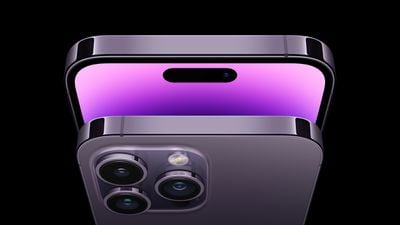
As with the Apple Watch Ultra, iPhone 14 Pro models can receive signals from GPS satellites operating on both the legacy L1 frequency and modernized L5 frequency. L5 satellites broadcast a more advanced, higher power signal that can better travel through obstacles like buildings and trees compared to L1 signals. With a combination of the two signals, iPhone 14 Pro models will have improved location accuracy in apps like Maps.
According to the U.S. government, there were 17 satellites broadcasting L5 signals in orbit as of June. In combination with L1, the government says L5 will "provide users worldwide with the most advanced civilian GPS signal." However, while L5 has been rolling out since 2010, the government says the signal remains "pre-operational."
The standard iPhone 14 and iPhone 14 Plus do not have dual-frequency GPS support, according to Apple's tech specs. All four iPhone 14 models continue to support other navigation systems, including GLONASS, Galileo, QZSS, and BeiDou.
Popular Stories
Apple has announced that the long-running Apple Support Community discussion forums for user-to-user tech support will be permanently closing on Friday, November 20. The forums have existed in some form for nearly 30 years, so it is the end of an era.
Effectively immediately, the Apple Support Community forums are in a read-only state, with new posts no longer being accepted. The final...
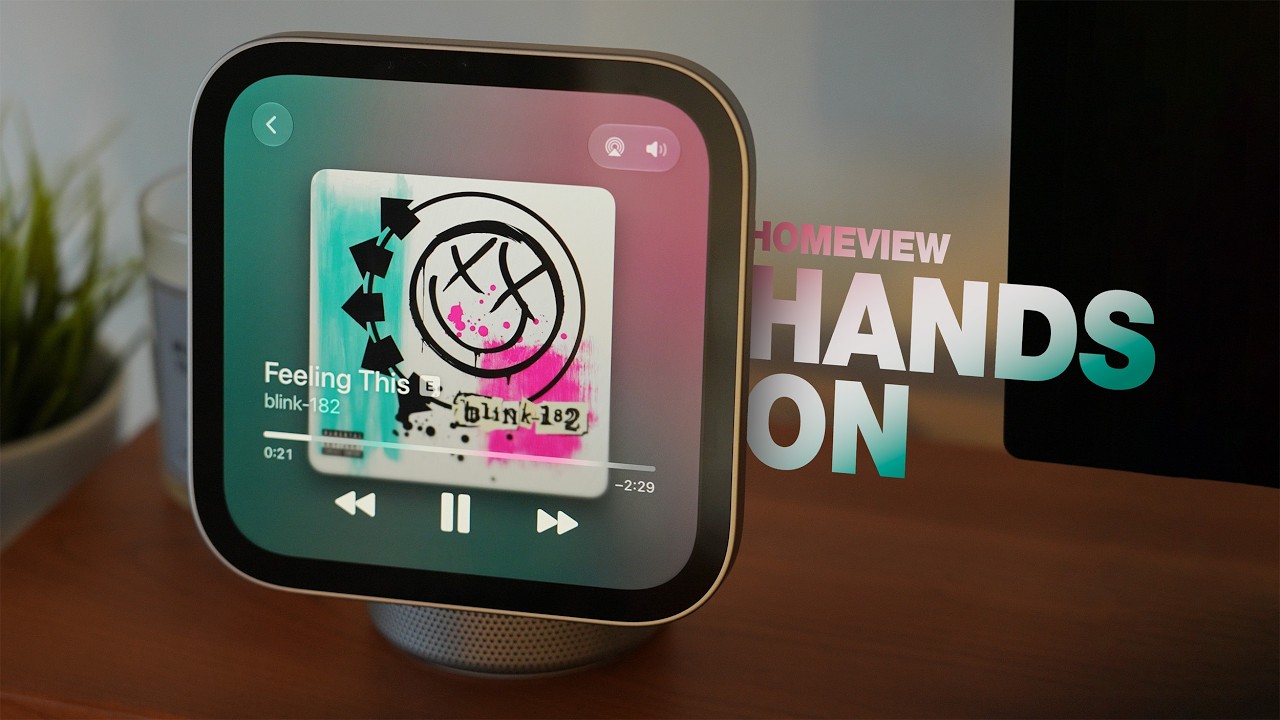
The Apple launches keep coming! The company is set to release two new products on Friday, November 13: the all-new Apple HomeView and the fourth-generation Apple TV 4K, both of which have been available to pre-order since mid-October.
Apple HomeView: Apple's new smart home display, powered by Apple Intelligence with Siri AI, for entertainment and managing the home. Available in tabletop and...
Apple has made a change to its development process for iOS 28, macOS 28, and corresponding software updates, according to Bloomberg's Mark Gurman.
In his Power On newsletter today, he said Apple separates development of each year's new operating systems into three major stages. Typically, he said each stage consists of four weeks of coding followed by a four-week "convergence" period where...