Machine Learning Framework PyTorch Enabling GPU-Accelerated Training on Apple Silicon Macs
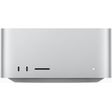
In collaboration with the Metal engineering team at Apple, PyTorch today announced that its open source machine learning framework will soon support GPU-accelerated model training on Apple silicon Macs powered by M1, M1 Pro, M1 Max, or M1 Ultra chips.

Until now, PyTorch training on the Mac only leveraged the CPU, but an upcoming version will allow developers and researchers to take advantage of the integrated GPU in Apple silicon chips for "significantly faster" model training.
A preview build of PyTorch version 1.12 with GPU-accelerated training is available for Apple silicon Macs running macOS 12.3 or later with a native version of Python. Performance comparisons and additional details are available on PyTorch's website.
Popular Stories
In May, Apple agreed to pay $250 million to settle a U.S. class action lawsuit over Siri AI's delayed launch, and the settlement website is now live.
Apple will pay an estimated $25 per eligible iPhone to eligible customers, who can submit a claim via the settlement website between September 21 and December 21 of this year. The exact payment may be higher or lower than $25 depending on the...
The iPhone 18 Pro Max has a battery capacity over 20 watt-hours, which means there are additional shipping requirements. If an iPhone 18 Pro Max needs to be shipped somewhere, its maximum battery capacity has to be limited through firmware.
According to Apple, the iPhone 18 Pro Max uses an "innovative battery-firmware solution" that limits battery capacity to below 20Wh between when the...
Apple hardware engineering VP Tom Marieb spoke with TechRadar and shared some candid thoughts about Apple's upcoming iPhone Duo.
The iPhone Duo uses a matte nano-texture display, which is meant to cut down on glare and minimize the visibility of the crease. When asked if the iPhone Duo's crease would be more visible over time, as that's what tends to happen on other foldables, Marieb said...