Verizon Recalls 2.5 Million Hotspots Due to Fire Risk
Verizon is recalling 2.5 million hotspot devices that it sold because of a faulty lithium ion battery that can overheat, resulting in a fire and burn hazard.
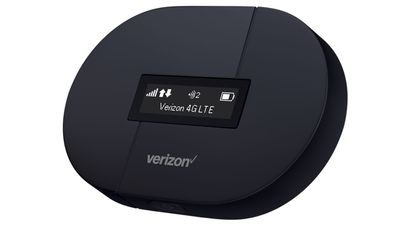
Affected devices include Ellipsis Jetpack Mobile Hotspots with model numbers MHS900L, MHS900LS, and MHS900LPP.
Verizon said on Thursday that it is working with the U.S. Consumer Product Safety Commission (CPSC) on the recall. Verizon also said that it is working to find the cause of the issues and will provide replacement Orbic Speed devices to customers free of charge.
All Ellipsis Jetpacks have received two over-the-air software updates related to the issue. The first displays the device's identifying number on the scrolling screen to make an exchange easier, and the second prevents the device from charging when it is plugged in and powered on to cut down on the risk of overheating.
According to the CPSC, Verizon has received 15 reports of devices overheating, including six cases that led to fire damage to bedding or flooring. There were two reports of minor burn injuries.
Customers who have an affected Ellipsis Jetpack should get in touch with Verizon through the recall website to arrange a replacement.
Popular Stories
A series of screenshots seemingly show Verizon's AI chat assistant answering detailed questions about the iPhone 18 Pro and iPhone 18 Pro Max, just hours before Apple's announcement event.
The screenshots were shared privately with MacRumors by an X user who says the responses came from the "Ask Verizon" AI assistant built into the carrier's app. The conversation is timestamped September 8...
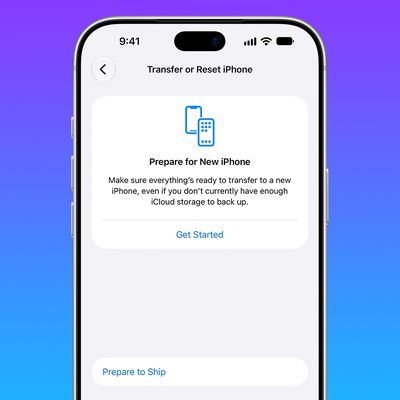
The iPhone 18 Pro Max has a battery capacity over 20 watt-hours, which means there are additional shipping requirements. If an iPhone 18 Pro Max needs to be shipped somewhere, its maximum battery capacity has to be limited through firmware.
According to Apple, the iPhone 18 Pro Max uses an "innovative battery-firmware solution" that limits battery capacity to below 20Wh between when the...
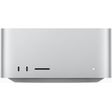
Last month, Apple announced new Mac mini and Mac Studio models, and the computers are finally set to launch this coming Tuesday, September 22.
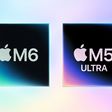
The new Mac mini is available with M6 and M5 Pro chip options, while the new Mac Studio can be configured with M5 Max or M5 Ultra chips.
To learn more, read our coverage:Apple Announces New Mac Mini With M6 and M5 Pro Chips and More
Apple Unveils ...