Apple Addresses Privacy Concerns Surrounding App Authentication in macOS
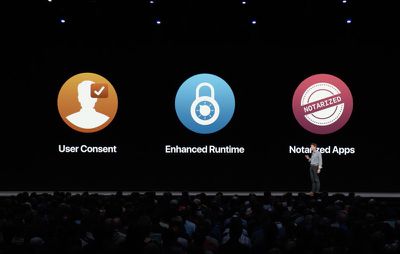
Following the release of macOS Big Sur on Thursday, Mac users began to experience issues with opening apps while connected to the internet. Apple's system status page attributed the situation to issues with its Developer ID notary service, with developer Jeff Johnson specifying that there were connection issues with Apple's OCSP server.
Shortly after, security researcher Jeffrey Paul shared a blog post titled "Your Computer Isn't Yours," in which he raised privacy and security concerns related to Macs "phoning home" to Apple's OCSP server. In short, Paul said that the OCSP traffic that macOS generates is not encrypted and could potentially be seen by ISPs or even the U.S. military.
Apple has since responded to the matter by updating its "Safely open apps on your Mac" support document with new information, as noted by iPhoneinCanada. Here's the new "Privacy protections" section of the support document in full:
macOS has been designed to keep users and their data safe while respecting their privacy.
Gatekeeper performs online checks to verify if an app contains known malware and whether the developer's signing certificate is revoked. We have never combined data from these checks with information about Apple users or their devices. We do not use data from these checks to learn what individual users are launching or running on their devices.
Notarization checks if the app contains known malware using an encrypted connection that is resilient to server failures.
These security checks have never included the user's Apple ID or the identity of their device. To further protect privacy, we have stopped logging IP addresses associated with Developer ID certificate checks, and we will ensure that any collected IP addresses are removed from logs.
Apple clarifies that user-specific data is not harvested during the security check and that it plans on removing all IP information from the logs. In addition, it plans on introducing several changes to the system over the next year, including:
- a new encrypted protocol for Developer ID certificate revocation checks
- strong protections against server failure
- a new preference for users to opt out of these security protections
Some users have advocated blocking the traffic to Apple's authentication servers, but it appears that Apple will provide this option to end-users in the future as well.
Popular Stories
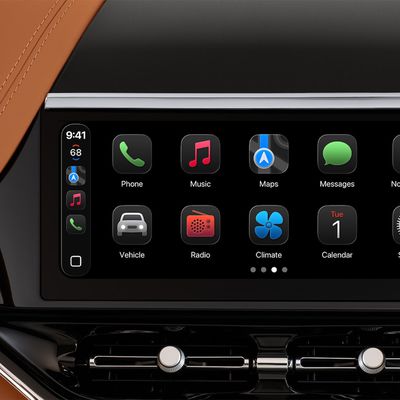
Last year, Apple launched CarPlay Ultra, the long-awaited next-generation version of its CarPlay software system for vehicles. Nearly a year later, CarPlay Ultra is still limited to Aston Martin's latest luxury vehicles, but that should change fairly soon.
In May 2025, Apple said many other vehicle brands planned to offer CarPlay Ultra, including Hyundai, Kia, and Genesis.
CarPlay Ultra...
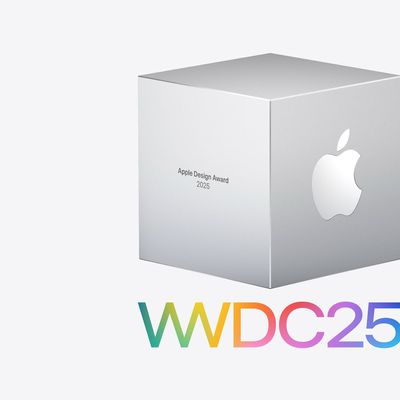
As we wait for WWDC to kick off next Monday, Apple today announced the winners of its annual Apple Design Awards, recognizing apps and games for their innovation, ingenuity, and technical achievement.
The 2025 Apple Design Award winners are listed below, with one app and one game selected per category:
Delight and Fun - CapWords (App) and Balatro (Game)
Innovation - Play (App) and PBJ -...
While the AirPods Max 2 received more attention, Apple also released a second pair of headphones last month: Nike Powerbeats Pro 2.
Nike Powerbeats Pro 2 are the same as the regular Powerbeats Pro 2, except they have a two-tone design consisting of black and Nike's signature Volt neon green-yellow color. The headphones were released on March 20 in the U.S., Canada, Australia, the U.K., and a ...
Popular Stories
Last year, Apple launched CarPlay Ultra, the long-awaited next-generation version of its CarPlay software system for vehicles. Nearly a year later, CarPlay Ultra is still limited to Aston Martin's latest luxury vehicles, but that should change fairly soon.
In May 2025, Apple said many other vehicle brands planned to offer CarPlay Ultra, including Hyundai, Kia, and Genesis.
CarPlay Ultra...
As we wait for WWDC to kick off next Monday, Apple today announced the winners of its annual Apple Design Awards, recognizing apps and games for their innovation, ingenuity, and technical achievement.
The 2025 Apple Design Award winners are listed below, with one app and one game selected per category:
Delight and Fun - CapWords (App) and Balatro (Game)
Innovation - Play (App) and PBJ -...
While the AirPods Max 2 received more attention, Apple also released a second pair of headphones last month: Nike Powerbeats Pro 2.
Nike Powerbeats Pro 2 are the same as the regular Powerbeats Pro 2, except they have a two-tone design consisting of black and Nike's signature Volt neon green-yellow color. The headphones were released on March 20 in the U.S., Canada, Australia, the U.K., and a ...