Apple Blames Book Publishers in E-Books Antitrust Lawsuit
 Reuters is reporting that Apple has responded to the Justice Department's accusations that the company colluded with publishers to increase e-book pricing, saying that it negotiated with the publishers separately and reached different agreements with each.
But Apple said the publishers had decided, independent of Apple, to eliminate discounts on wholesale book prices of e-books, to sell lucrative hardcover books first to bookstores in a practice called windowing and to take other measures to push Amazon to raise prices.
In a court filing dated April 26 but released on Tuesday, Apple said it had approached publishers to create an online bookstore that would eventually become the iBookstore and had demanded a 30 percent commission, that publishers would not undercut prices paid to Apple, and that "windowing" be scrapped.
Apple said that points of contention in early negotiations centered around Apple's demand for a 30 percent commission and price caps. Apple went on to note that each publisher immediately offered its own counterproposals in what Apple described as "tough negotiations."
The company also claims that before it entered the market the publishers were engaged in a battle to break Amazon's grip on the low-cost e-book market, with Apple laying the blame for any potential collusion on the publishers.
The lawsuit was originally filed in April 2012 and included HarperCollins, Simon and Schuster, Hachette Book Group, Macmillan and Penguin, but the Justice Deparment settled with the publishers and has since concentrated on Apple. Recently, CEO Tim Cook was ordered to testify in the case.
Popular Stories
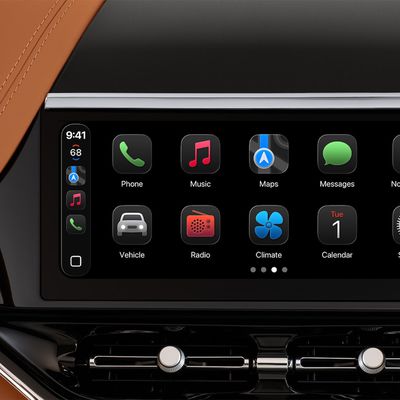
Last year, Apple launched CarPlay Ultra, the long-awaited next-generation version of its CarPlay software system for vehicles. Nearly a year later, CarPlay Ultra is still limited to Aston Martin's latest luxury vehicles, but that should change fairly soon.
In May 2025, Apple said many other vehicle brands planned to offer CarPlay Ultra, including Hyundai, Kia, and Genesis.
CarPlay Ultra...
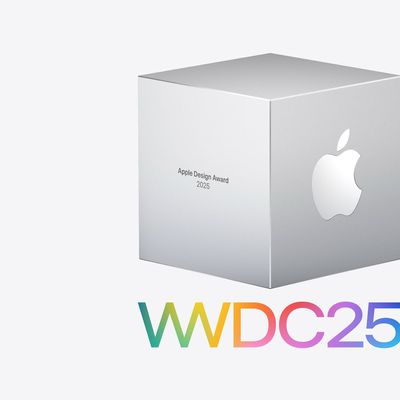
As we wait for WWDC to kick off next Monday, Apple today announced the winners of its annual Apple Design Awards, recognizing apps and games for their innovation, ingenuity, and technical achievement.
The 2025 Apple Design Award winners are listed below, with one app and one game selected per category:
Delight and Fun - CapWords (App) and Balatro (Game)
Innovation - Play (App) and PBJ -...
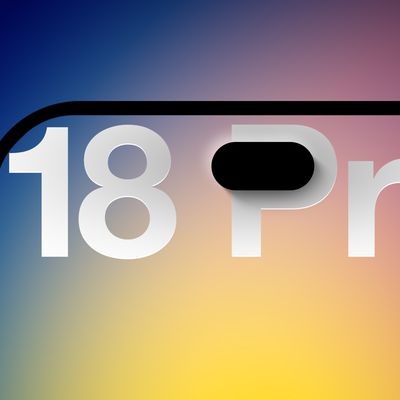
Apple's iPhone development roadmap runs several years into the future and the company is continually working with suppliers on several successive iPhone models at the same time, which is why we often get rumored features months ahead of launch. The iPhone 18 series is no different, and we already have a good idea of what to expect for the iPhone 18 Pro and iPhone 18 Pro Max.
One thing worth...
Popular Stories
Last year, Apple launched CarPlay Ultra, the long-awaited next-generation version of its CarPlay software system for vehicles. Nearly a year later, CarPlay Ultra is still limited to Aston Martin's latest luxury vehicles, but that should change fairly soon.
In May 2025, Apple said many other vehicle brands planned to offer CarPlay Ultra, including Hyundai, Kia, and Genesis.
CarPlay Ultra...
As we wait for WWDC to kick off next Monday, Apple today announced the winners of its annual Apple Design Awards, recognizing apps and games for their innovation, ingenuity, and technical achievement.
The 2025 Apple Design Award winners are listed below, with one app and one game selected per category:
Delight and Fun - CapWords (App) and Balatro (Game)
Innovation - Play (App) and PBJ -...
Apple's iPhone development roadmap runs several years into the future and the company is continually working with suppliers on several successive iPhone models at the same time, which is why we often get rumored features months ahead of launch. The iPhone 18 series is no different, and we already have a good idea of what to expect for the iPhone 18 Pro and iPhone 18 Pro Max.
One thing worth...