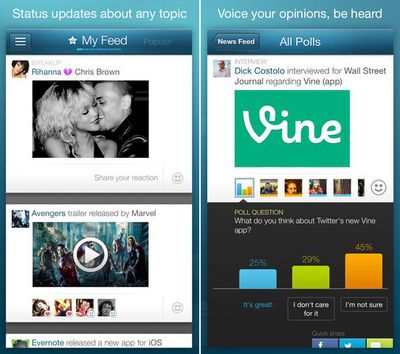
Google has bought aggregation and summarization startup Wavii for more than $30 million, winning a bidding war with Apple over the firm. TechCrunch is reporting that Apple wanted to integrate the company with its Siri division.
Both Apple and Google were competing for the Seattle-based startup, and Google eventually won. Apple wanted the company, which developed its own aggregation technology and natural summarizaton algorithms, for its Siri division. The 25-person-strong team including founder Adrian Aoun will be moving down from Seattle to join Google’s Knowledge Graph division.
With more than $135 billion in cash, the $30 million price tag would not have been a significant outlay for Apple, but it appears the company did not value Wavii enough to outbid Google. Wavii had raised $2 million in venture funding.
Sunday September 13, 2026 3:00 am PDT by Eric Slivka
Update 10:04 a.m.: iOS 27 is rolling out now, though it may take a bit for all users to see it, so keep checking!
Apple is about to release iOS 27, which will finally deliver more advanced Siri AI capabilities as well as a variety of other refinements, improvements, and new features to iPhones. It's Apple's biggest software update of the year, and Apple announced at Wednesday's iPhone event...
Monday September 14, 2026 9:00 am PDT by Joe Rossignol
Update — 10 a.m. Pacific Time: Apple has released iOS 27.
During its iPhone 18 Pro and iPhone Duo event last week, Apple announced that iOS 27 will be released widely on Monday, September 14.
iOS 27 should be available around 10 a.m. Pacific Time / 1 p.m. Eastern Time today via the Settings app, under General → Software Update.
Below, we have highlighted eight new features and...
Tuesday September 15, 2026 1:43 am PDT by Tim Hardwick
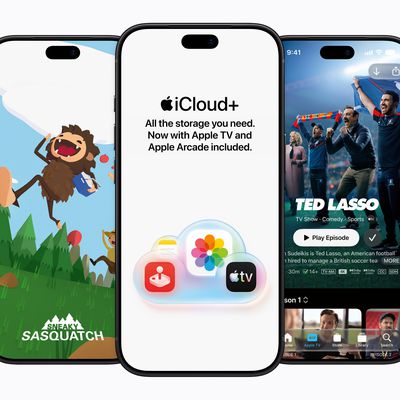
Apple today announced a new subscription initiative that turns paid iCloud+ subscriptions into a broader services bundle in more than 100 countries.
In select countries, Apple says every paid iCloud+ plan, including the cheapest 50GB tier, now includes Apple TV and Apple Arcade "at no additional cost," while family sharing extends the storage, TV and Arcade access to up to five people....
It's pretty clear the $30m threshold is the point at which Apple could author their own code to match the functionality
Except Apple has proven time and time again that they're too cheap to hire more engineers to actually keep dedicated resources on projects, and instead shuffle teams around and let products wither on the vine (currently see: iWork, iLife, Aperture, etc.)


 Google has bought aggregation and summarization startup Wavii for more than $30 million, winning a bidding war with Apple over the firm. TechCrunch is reporting that Apple wanted to integrate the company with its Siri division.