Apple to Adopt Alternative Chipsets for Next Laptops?
AppleInsider claims that Apple will forgo the use of Intel's Montevina chipset in their next generation laptops. Instead, Apple will either design their own chipsets or could adopt 3rd part chipsets from AMD or Via.
It should be said however, this does not mean that Apple will be moving away from Intel's processors. The chipsets are simply the support chips required to interconnect the processor and the rest of the computer. Intel's Montevina platform (now known as Centrino 2) consists of a Penryn processor, the Montevina chipset and wireless networking interface. Future laptops will continue to use Intel's most recent Penryn processors which provide improved bus-speeds (1066MHz).
To the customer, Apple's decision to use 3rd party or custom chipsets is not of great significance, as all the chipsets should be functionally identical. However, AppleInsider speculates that Apple must believe there is some competitive advantage in pursuing alternative chipsets, such as improved power consumption.
Popular Stories
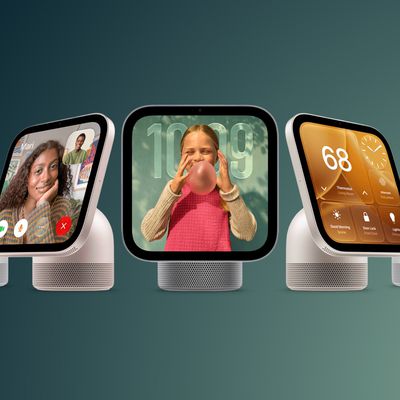
Apple today announced the "HomeView," an all-new kind of smart home hub featuring a 7-inch Liquid Retina display and Siri AI.
Apple's senior vice president of Worldwide Marketing Greg Joswiak said:
Apple HomeView is designed to be shared by everyone in the home yet feel completely personal to each user. It recognizes your face to shift from a household screen to your own experience,...
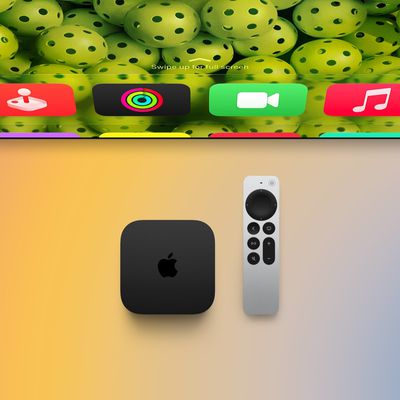
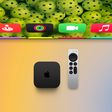
Apple today announced the fourth-generation Apple TV 4K, with key features including an A19 chip, Siri AI support, an updated Siri Remote that has Find My support with Precision Finding, built in far-field microphones, support for surround sound with four HomePods in front and rear pairs, and more.
The A19 chip in the new Apple TV 4K delivers up to 50% faster CPU performance and up to twice...
MacRumors was first to reveal the name "HomeView" last week, after discovering a trademark filing from a secretive shell company that we correctly suspected was linked to Apple.
Apple was likely behind a "homeOS" trademark filing as well, but the company ultimately decided to stick with generic "HomeView software" naming, just like it refers to the HomePod's operating system as "HomePod...