Mtron announced today that they have developed a 128GB 1.8" solid state drive (SSD) with a ZIF-type interface that is due to ship in April 2008.
Mtrons new SSD with Single Level Cell (SLC) Flash memory supports PATA (ZIF-type) interface and has a maximum reading speed of 120MB/s and writing speed of 100MB/s, which is more than 6 times faster than the current 1.8 inch HDD. Therefore when its used in laptop PC and UMPC, it delivers much faster performance than desktop. Mtron also released 1.8 Inch SSD with Multi Level Cell (MLC) Flash memory, which provides maximum memory capacity of up to 128 GB along with a maximum reading speed of 110 MB/s and writing speed of 40MB/s.
Mtron touts the ability of the SSD drive to withstand shock, vibration and consume nearly 50% less power than a conventional hard drive.
The introduction of this 1.8" SSD drive raises the maximum capacity of the MacBook Air, which is currently limited to 80GB due to physical size constraints. This SSD drive would have to come in a 5mm height to fit in the Air, but this dimension is not specified in the press release. Pricing is also not specified and SSD drives typically carry a much higher premium than traditional hard drives.
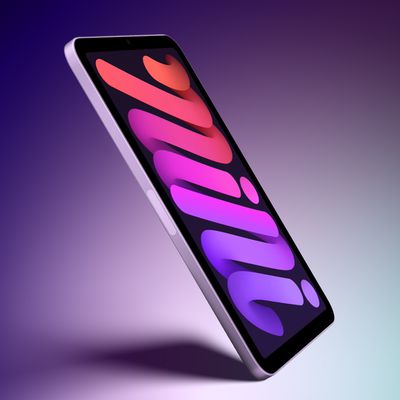
Apple today updated its U.S. trade-in estimates, raising maximum values across the iPad lineup and for most Macs following today's announcement of the new iPad mini.
Every iPad category has gained value, although the increases are relatively modest. The iPad mini and standard iPad both rise by $20, while the iPad Air gains $15 and the iPad Pro increases by $10. The revised maximum estimates...
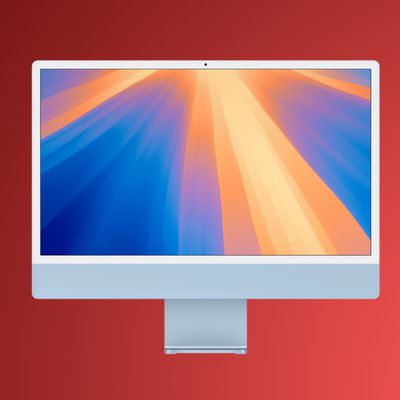
Apple is testing OLED displays for future MacBook Air and iMac models, though both upgrades remain some way off, according to Bloomberg's Mark Gurman in his latest "Power On" newsletter.
The next refreshes of the devices are expected to retain LCD displays. Gurman anticipates a new iMac to arrive this week and a MacBook Air refresh in early 2027, but offered no time frame for either model's...
Sunday November 8, 2026 7:42 am PST by Joe Rossignol
Apple has made a change to its development process for iOS 28, macOS 28, and corresponding software updates, according to Bloomberg's Mark Gurman.
In his Power On newsletter today, he said Apple separates development of each year's new operating systems into three major stages. Typically, he said each stage consists of four weeks of coding followed by a four-week "convergence" period where...