A Register.co.uk article reports that the author of DeCSS has written a small command line Windows utility (QTFairUse) which "will dump the output of a QuickTime stream to a file". The Quicktime stream in question are AAC files.
While TheRegister tries to explain away the hack as an implementation of an analog stream-ripper, it appears to be a bit more sophisticated than that...
According to the QTFairUse README:
Usage:
Open and play a MPEG4 AAC file in QuickTime Player. The raw AAC data will be written to Desktop/QTFairUse.aac
The application clearly piggybacks off of Apple's Quicktime player and patches the "quicktimempeg4.qtx" file of Windows' Quicktime. It then outputs this "raw AAC data" to a file while the original AAC file plays under Quicktime. The proposed theory is that the application intercepts the Decrypted AAC data from Quicktime after authorization has taken place, and saves out the resultant decrypted (de-DRM'd) AAC data.
Based on limited testing from one user with Quicktime 6.4 under Windows... the application does create DRM-free ".aac" files when Protected AAC files are played through Quicktime. These output files, however, are unplayable in their raw form in most players. The reason for this is that these files represents the true "raw" AAC data that has been passed through to Quicktime to play. All header information has been removed. To create playable files, a further packaging of the files is required to add the appropriate MPEG headers. But the application does work as suggested -- stripping DRM from your protected AAC files (though is not of any practical use in its current form).
In any case, this is the first public attempt at breaking Apple's Digital Rights Management format. The potential for abuse and concern for an application such as this is greater than simple "stream rippers" in that this would introduce lossless ("perfect") copies of protected files.
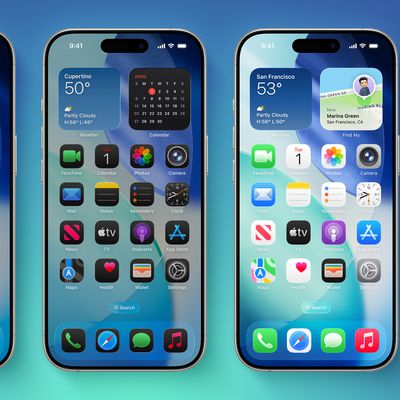
Earlier this year, YouTuber Jon Prosser shared multiple videos showing off what he claimed to be re-created renderings of what was then presumed to be called iOS 19 and which was eventually unveiled by Apple as iOS 26 at WWDC in June.
In his first video back in January, Prosser showed off a Camera app redesign with a simpler set of buttons for moving between photo and video modes, and he...
Apple previously announced that a public beta of iOS 26 would be available in July, and now a more specific timeframe has surfaced.
Bloomberg's Mark Gurman today said that Apple's public betas should be released on or around Wednesday, July 23. In other words, expect the public betas of iOS 26, iPadOS 26, macOS 26, and more to be available at some point next week.
Apple will be releasing...
Wednesday July 16, 2025 6:50 am PDT by Joe Rossignol
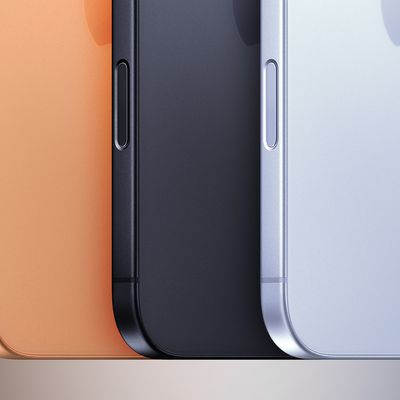
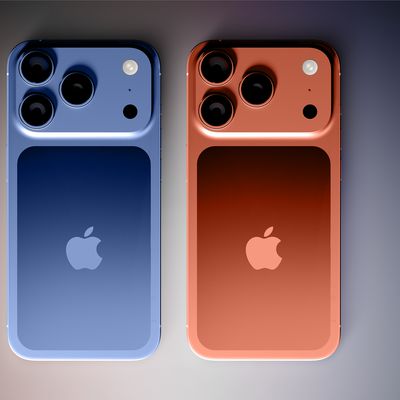
We may finally have a definitive list of all color options for the iPhone 17 series, ahead of the devices launching in September.
MacRumors concept
In a report for Macworld today, Filipe Espósito said he obtained an "internal document" that allegedly reveals all of the color options for the upcoming iPhone 17, iPhone 17 Air, iPhone 17 Pro, and iPhone 17 Pro Max models.
The report includes ...
Wednesday July 16, 2025 4:17 pm PDT by Juli Clover
We have just under two months to go until the debut of Apple's iPhone 17 models, and rumors have been ramping up in recent weeks. We went through everything we know so far, pulling out the most exciting rumors and highlighting some other changes that aren't going to be so great.
Top Tier
Ultra Thin iPhone 17 Air - The iPhone 17 Air is 2025's most exciting iPhone rumor, because it's the...
Wednesday July 16, 2025 11:31 am PDT by Joe Rossignol
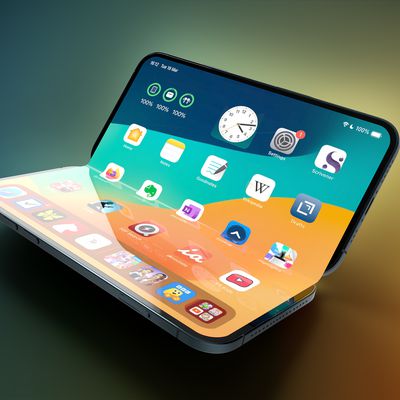
Apple's long-rumored foldable iPhone will likely have a starting price between $1,800 and $2,000 in the U.S., analysts at investment banking firm UBS said this week. If so, the foldable iPhone would cost more than a MacBook Pro, which starts at $1,599.
With a starting price of at least $1,800, the foldable iPhone would be the most expensive iPhone model ever released, topping the Pro Max at...
Apple's next-generation iPhone 17 Pro and iPhone 17 Pro Max are only two months away, and there are plenty of rumors about the devices.
Below, we recap key changes rumored for the iPhone 17 Pro models.
Latest Rumors
These rumors surfaced in June and July:A redesigned Dynamic Island: It has been rumored that all iPhone 17 models will have a redesigned Dynamic Island interface — it might ...
The long wait for an Apple Watch Ultra 3 is nearly over, and a handful of new features and changes have been rumored for the device.
Below, we recap what to expect from the Apple Watch Ultra 3:Satellite connectivity for sending and receiving text messages when Wi-Fi and cellular coverage is unavailable
5G support, up from LTE on the Apple Watch Ultra 2
Likely a wide-angle OLED display that ...
Apple today said its store at the Westfield Hornsby shopping mall, in Hornsby, Australia, will be permanently closing in October.
Apple Hornsby
In a statement shared with Australian tech news website EFTM (via Reddit), Apple said that it has decided not to renew its lease at Westfield Hornsby. Apple said all affected retail employees will be given the opportunity to work at Apple's nearby...
Biggest design overhaul since iOS 7 with Liquid Glass, plus new Apple Intelligence features and improvements to Messages, Phone, Safari, Shortcuts, and more. Developer beta available now ahead of public beta in July.