Apple to Phase Out Rosetta 2 Starting With macOS 28 as Intel Era Ends - MacRumors
Skip to Content

Apple to Phase Out Rosetta 2 Starting With macOS 28 as Intel Era Ends

Following its WWDC keynote on Monday, Apple updated a developer document to indicate that Rosetta 2 will remain available through macOS 27.
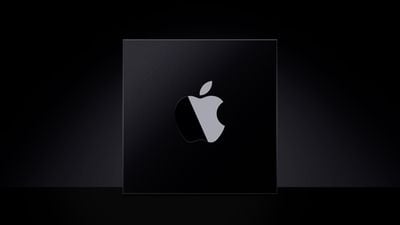
apple silicon 1 feature
Rosetta 2 enables Macs with Apple silicon (Arm architecture) to run apps that were built for Macs with an Intel processor (x86 architecture), by translating code.

Starting with macOS 28, Apple said that only a limited version of Rosetta 2 will remain available for older games that rely on Intel-based frameworks:

Rosetta was designed to make the transition to Apple silicon easier, and we plan to make it available for the next two major macOS releases – through macOS 27 – as a general-purpose tool for Intel apps to help developers complete the migration of their apps. Beyond this timeframe, we will keep a subset of Rosetta functionality aimed at supporting older unmaintained gaming titles, that rely on Intel-based frameworks.

The document also reiterates that macOS Tahoe will be the final macOS release that supports Intel-based Macs. However, Apple said that Intel-based Macs will continue to receive security updates for an additional three years.

macOS Tahoe is compatible with only a handful of Intel-based Macs, including the 16-inch MacBook Pro (2019), 13-inch MacBook Pro (2020, Four Thunderbolt 3 Ports), 27-inch iMac (2020), and Mac Pro (2019).

macOS 28 will be released in 2027.
Popular Stories

M5 Vision Pro Thumb 2

Apple Has Given Up on the Vision Pro After M5 Refresh Flop

Wednesday April 29, 2026 11:31 am PDT by
Apple has all but given up on the Vision Pro after the M5 model failed to revitalize interest in the device, MacRumors has learned. Apple updated the Vision Pro with a faster M5 chip and a more comfortable band in October 2025, but there were no other hardware changes, and consumers still weren't interested. The Vision Pro has been criticized for its high price tag and its uncomfortable...
Four iPhone 18 Pro Colors Mock Feature

iPhone 18 Pro to Launch in September With These 10 New Features

Tuesday April 28, 2026 9:35 am PDT by
While the iPhone 18 Pro and iPhone 18 Pro Max are not launching until September, there are already plenty of rumors about the devices. It was initially reported that the iPhone 18 Pro models would have fully under-screen Face ID, with only a front camera visible in the top-left corner of the screen. However, the latest rumors indicate that only one Face ID component will be moved under the...
airpods pro 3 design

'AirPods Ultra' Rumored to Feature a Major Upgrade Over AirPods Pro

Thursday April 30, 2026 8:40 am PDT by
In a social media post this week, Bloomberg's Mark Gurman reiterated that Apple is planning to release new AirPods with cameras "for Siri." Last month, Gurman said these AirPods will likely be priced above the current AirPods Pro 3, which Apple sells for $249. As a result, he said Apple is likely considering using "AirPods Ultra" branding for the camera-equipped AirPods. "AirPods Ultra"...

Top Rated Comments

turbineseaplane Avatar
12 months ago
Bummer

Lots of software will get lost forever
Score: 38 Votes (Like | Disagree)
TruthAboveAllElse Avatar
12 months ago
This is unfortunate. Rosetta 1 was almost unusable at times so made sense to phase it out. Rosetta 2 is usually totally invisible to the user, so a shame to break compatibility.
Score: 32 Votes (Like | Disagree)
12 months ago
Intel getting an extra three years of security updates means that 2019 MBPs will have received 10 years of official support, from 2019 to 2029.
Where is the guy that made that massive thread the other day saying Intel computers would become bricks this fall?
And I think this confirms that M1s will likely be supported at least in a security capacity into the early 2030s easily.

While it’s definitely unfortunate that Rosetta is being dropped, Apple actually giving a timeline for these kind of things, including how long the Intel computers will get security updates, is big progress.
Score: 23 Votes (Like | Disagree)
StudioMacs Avatar
12 months ago

Imagine being a Mac Pro buyer who spent $50,000 in 2019 on the top-tier configuration, only for Apple to announce its migration to Apple Silicon a year later. Now imagine a company that invested in 10, 20, or even 50 of those Mac Pros—would you buy Apple again?
If purchased by a business in such quantities, the cost of the tangible assets over their useful life has been depreciated for tax purposes. In the US, the IRS generally assigns a 5-year useful life to computers and related equipment.
Score: 18 Votes (Like | Disagree)
iHorseHead Avatar
12 months ago

Intel getting an extra three years of security updates means that 2019 MBPs will have received 10 years of official support, from 2019 to 2029.
Where is the guy that made that massive thread the other day saying Intel computers would become bricks this fall?
And I think this confirms that M1s will likely be supported at least in a security capacity into the early 2030s easily.

While it’s definitely unfortunate that Rosetta is being dropped, Apple actually giving a timeline for these kind of things, including how long the Intel computers will get security updates, is big progress.
A lot of people don't realise that Intel Macs are getting much better support than PowerPC Macs. Imagine spending like 3k on a Mac Pro and then it's supported only from Tiger to Leopard.
Like from 2005 to 2009.
Score: 13 Votes (Like | Disagree)
zorinlynx Avatar
12 months ago
This is one of the things I honestly hate about the Apple platform, despite loving many other things about it.

They don't care about keeping older software working.

You can still run Windows applications from the late 90s on Windows 11 and they often work perfectly without modification. Good luck running any Mac software from even half that long ago.

They did it with MacOS 9 to Mac OS X. Then with PowerPC to Intel 32 bit. Then they did it with Intel 32 bit to Intel 64 bit. Now they're doing it with Intel to ARM.

Every decade or so Apple completely breaks older software. It's like a tradition of theirs.

With Rosetta 1 they had licensed code they had to pay for, so they had an excuse. Not so with Rosetta 2. It would be trivial for them to just keep Rosetta 2 going perpetually. But they won't, because they just don't care about backwards compatibility long-term.
Score: 11 Votes (Like | Disagree)