Intel Memory Access Design Flaw Already Addressed by Apple in macOS 10.13.2
A serious design flaw and security vulnerability discovered in Intel CPUs has reportedly already been partially addressed by Apple in the recent macOS 10.13.2 update, which was released to the public on December 6.

According to developer Alex Ionescu, Apple introduced a fix in macOS 10.13.2, with additional tweaks set to be introduced in macOS 10.13.3, currently in beta testing. AppleInsider also says that it has heard from "multiple sources within Apple" that updates made in macOS 10.13.2 have mitigated "most" security concerns associated with the KPTI vulnerability.
Publicized yesterday,
the design flaw in Intel chips allows normal user programs to see some of the contents of the protected kernel memory, potentially giving hackers and malicious programs access to sensitive information like passwords, login keys, and more.
Full details on the vulnerability continue to be unavailable and under embargo, so it's not yet clear just how serious it is, but fixing it involves isolating the kernel's memory from user processes using Kernel Page Table Isolation at the OS level. Implementing Kernel Page Table Isolation could cause a performance hit on some machines.
According to The Register, which first shared details on the vulnerability, Windows and Linux machines will see a 5 to 30 percent slowdown once a fix is in place. It appears Macs may not be hit as heavily, as no noticeable performance slowdowns have been reported since the launch of macOS 10.13.2.
Ionescu also says that performance drop on a system with PCID (Process-Context Identifiers), available on most modern Macs, is "minimal," so most users may not see an impact on day-to-day Mac usage.
Popular Stories
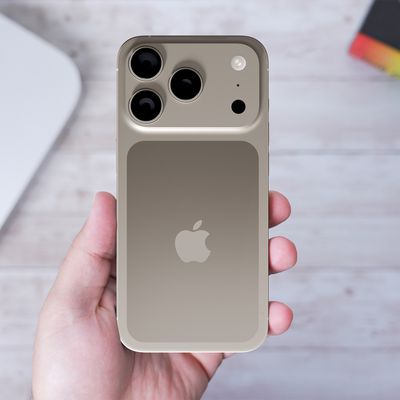
Apple will launch its new iPhone 17 series in two months, and the iPhone 17 Pro models are expected to get a new design for the rear casing and the camera area. But more significant changes to the lineup are not expected until next year, when the iPhone 18 models arrive.
If you're thinking of trading in your iPhone for this year's latest, consider the following features rumored to be coming...
A new Apple TV is expected to be released later this year, and a handful of new features and changes have been rumored for the device.
Below, we recap what to expect from the next Apple TV, according to rumors.
Rumors
Faster Wi-Fi Support
The next Apple TV will be equipped with Apple's own combined Wi-Fi and Bluetooth chip, according to Bloomberg's Mark Gurman. He said the chip supports ...
Apple's next-generation iPhone 17 Pro and iPhone 17 Pro Max are only two months away, and there are plenty of rumors about the devices.
Below, we recap key changes rumored for the iPhone 17 Pro models.
Latest Rumors
These rumors surfaced in June and July:A redesigned Dynamic Island: It has been rumored that all iPhone 17 models will have a redesigned Dynamic Island interface — it might ...
Apple does not plan to refresh any Macs with updated M5 chips in 2025, according to Bloomberg's Mark Gurman. Updated MacBook Air and MacBook Pro models are now planned for the first half of 2026.
Gurman previously said that Apple would debut the M5 MacBook Pro models in late 2025, but his newest report suggests that Apple is "considering" pushing them back to 2026. Apple is now said to be...
iPhone 17 Pro and iPhone 17 Pro Max models with displays made by BOE will be sold exclusively in China, according to a new report.
Last week, it emerged that Chinese display manufacturer BOE was aggressively ramping up its OLED production capacity for future iPhone models as part of a plan to recapture a major role in Apple's supply chain.
Now, tech news aggregator Jukan Choi reports...
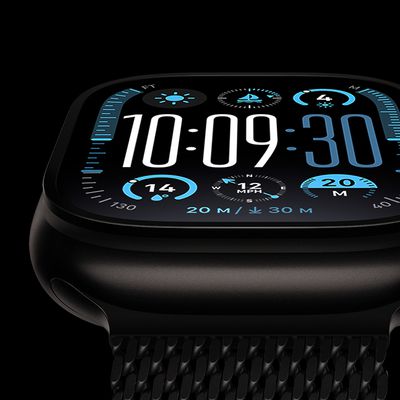
The long wait for an Apple Watch Ultra 3 is nearly over, and a handful of new features and changes have been rumored for the device.
Below, we recap what to expect from the Apple Watch Ultra 3:Satellite connectivity for sending and receiving text messages when Wi-Fi and cellular coverage is unavailable
5G support, up from LTE on the Apple Watch Ultra 2
Likely a wide-angle OLED display that ...
In select U.S. states, residents can add their driver's license or state ID to the Wallet app on the iPhone and Apple Watch, providing a convenient and contactless way to display proof of identity or age at select airports and businesses, and in select apps.
Unfortunately, this feature continues to roll out very slowly since it was announced in 2021, with only nine U.S. states, Puerto Rico,...
The iPhone 17 and iPhone 17 Air will be available in a total of nine color options, according to new information coming out of Asia.
The iPhone 17 Air's expected color options.
According to the leaker going by the account name "yeux1122" on the Korean blog Naver, accessory manufacturers are now producing camera protector rings for the iPhone 17 and iPhone 17 Air in colors to match their...