iOS 7 Bug Allows Disabling of 'Find My iPhone' Without Password
A bug in the current version of iOS 7 appears to allow users to disable Find my iPhone on a device without typing in a password, which effectively hides it from being located on iCloud.com.
Deactivating Find My iPhone takes just a few simple steps and it can be easily repeated on devices running the current version of iOS (7.0.4). The exploit involves making a few simple changes to the iCloud account section of the Settings app.
MacRumors has been able to successfully replicate this bug on an iPhone and an iPad running iOS 7.0.4, but could not get it to work on a device running iOS 7.1, so the flaw will likely be fixed with the upcoming update.
This is a potentially serious bug as Find My iPhone is a useful method of locating a lost device. While this exploit does disable Find My iPhone and allow for an iOS device to be erased, it does not remove Apple's Activation Lock theft deterrent system. After being erased, the device will remain locked to the original account and continue to ask for that Apple ID and password during the setup process to resume functionality.
The bypass only works on a device that does not have Touch ID or a Passcode enabled, as the exploit requires access to the Settings menu. To avoid having Find My iPhone disabled, users should update their phones with a Passcode and install iOS 7.1 when Apple releases the software.
MacRumors has contacted Apple for comment on the exploit and we will update if we receive new information.
Popular Stories
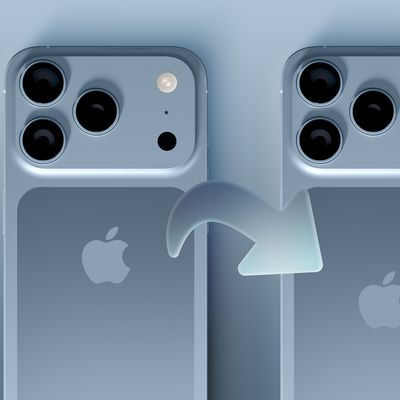
Apple's next-generation iPhone 17 Pro and iPhone 17 Pro Max are less than three months away, and there are plenty of rumors about the devices.
Apple is expected to launch the iPhone 17, iPhone 17 Air, iPhone 17 Pro, and iPhone 17 Pro Max in September this year.
Below, we recap key changes rumored for the iPhone 17 Pro models:Aluminum frame: iPhone 17 Pro models are rumored to have an...
Apple is developing a MacBook with the A18 Pro chip, according to findings in backend code uncovered by MacRumors.
Earlier today, Apple analyst Ming-Chi Kuo reported that Apple is planning to launch a low-cost MacBook powered by an iPhone chip. The machine is expected to feature a 13-inch display, the A18 Pro chip, and color options that include silver, blue, pink, and yellow.
MacRumors...
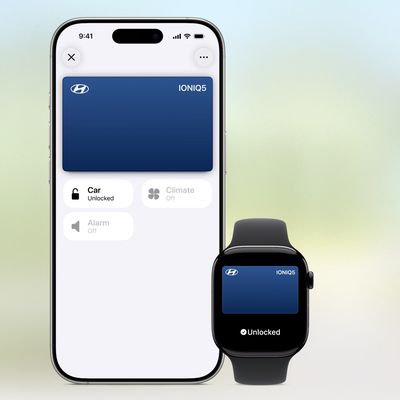
In 2020, Apple added a digital car key feature to its Wallet app, allowing users to lock, unlock, and start a compatible vehicle with an iPhone or Apple Watch. The feature is currently offered by select automakers, including Audi, BMW, Hyundai, Kia, Genesis, Mercedes-Benz, Volvo, and a handful of others, and it is set to expand further.
During its WWDC 2025 keynote, Apple said that 13...
Apple hasn't updated the AirPods Pro since 2022, and the earbuds are due for a refresh. We're counting on a new model this year, and we've seen several hints of new AirPods tucked away in Apple's code. Rumors suggest that Apple has some exciting new features planned that will make it worthwhile to upgrade to the latest model.
Subscribe to the MacRumors YouTube channel for more videos.
Heal...
Apple is planning to launch a low-cost MacBook powered by an iPhone chip, according to Apple analyst Ming-Chi Kuo.
In an article published on X, Kuo explained that the device will feature a 13-inch display and the A18 Pro chip, making it the first Mac powered by an iPhone chip. The A18 Pro chip debuted in the iPhone 16 Pro last year. To date, all Apple silicon Macs have contained M-series...
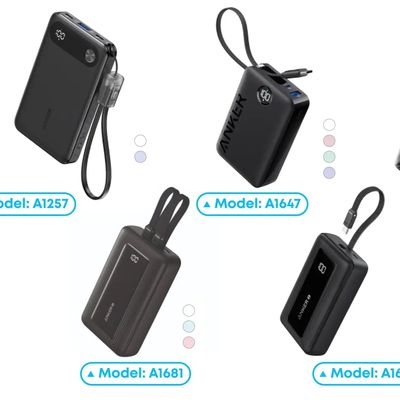
Popular accessory maker Anker this month launched two separate recalls for its power banks, some of which may be a fire risk.
The first recall affects Anker PowerCore 10000 Power Banks sold between June 1, 2016 and December 31, 2022 in the United States. Anker says that these power banks have a "potential issue" with the battery inside, which can lead to overheating, melting of plastic...
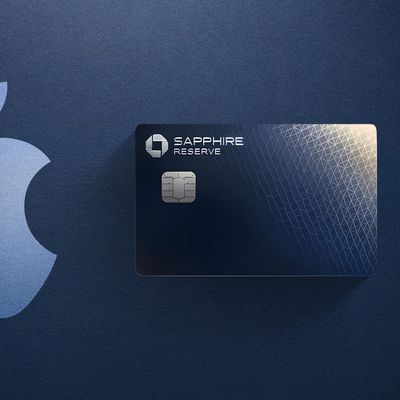
Chase this week announced a series of new perks for its premium Sapphire Reserve credit card, and one of them is for a pair of Apple services.
Specifically, the credit card now offers complimentary annual subscriptions to Apple TV+ and Apple Music, a value of up to $250 per year.
If you are already paying for Apple TV+ and/or Apple Music directly through Apple, those subscriptions will...
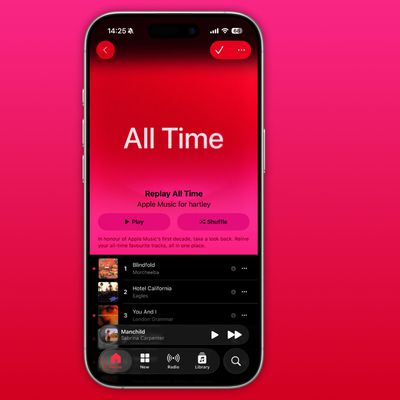
As part of its 10-year celebrations of Apple Music, Apple today released an all-new personalized playlist that collates your entire listening history.
The playlist, called "Replay All Time," expands on Apple Music's existing Replay features. Previously, users could only see their top songs for each individual calendar year that they've been subscribed to Apple Music, but now, Replay All...