Anonymized Siri Voice Clips Stored by Apple for Up to Two Years
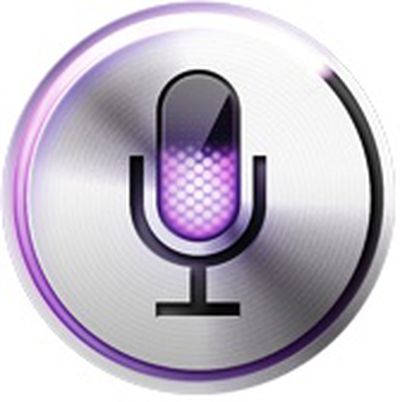 Yesterday, Wired reported that the American Civil Liberties Union (ACLU) was raising questions about Apple's privacy policies regarding Siri, citing vague statements indicating that older "disassociated" voice clips would be kept for a "period of time" even if a user deactivated Siri on his or her device.
“It’s not clear what ‘disassociated’ means. It’s not clear what ‘period of time’ means. It’s not clear what using it to ‘generally improve Siri and other Apple products and services’ means,” says Nicole Ozer, a lawyer with the ACLU. “The only thing that’s clear is we really don’t know what may be happening to the personal information we have told Siri, even after we turn Siri off.”
The report noted that privacy concerns have led to instances where companies such as IBM have banned the use of Siri.
In a follow-up report today, Wired shares official word from Apple that such data is stored in anonymized form for two years and reveals general details on how that data is anonymized.
Here’s what happens. Whenever you speak into Apple’s voice activated personal digital assistant, it ships it off to Apple’s data farm for analysis. Apple generates a random numbers to represent the user and it associates the voice files with that number. This number — not your Apple user ID or email address — represents you as far as Siri’s back-end voice analysis system is concerned.
Once the voice recording is six months old, Apple “disassociates” your user number from the clip, deleting the number from the voice file. But it keeps these disassociated files for up to 18 more months for testing and product improvement purposes.
Ozer suggests that Apple should go further in publicizing these privacy policies, linking them directly from Apple's Siri FAQ page, and that users should always be mindful of what they are saying to Siri because "Siri works for Apple".
Popular Stories
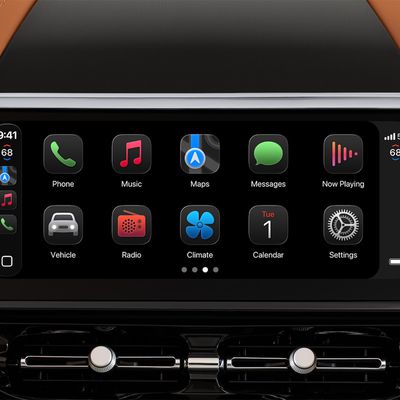
Last year, Apple launched CarPlay Ultra, the long-awaited next-generation version of its CarPlay software system for vehicles. Nearly a year later, CarPlay Ultra is still limited to Aston Martin's latest luxury vehicles, but that should change fairly soon.
In May 2025, Apple said many other vehicle brands planned to offer CarPlay Ultra, including Hyundai, Kia, and Genesis.
CarPlay Ultra...
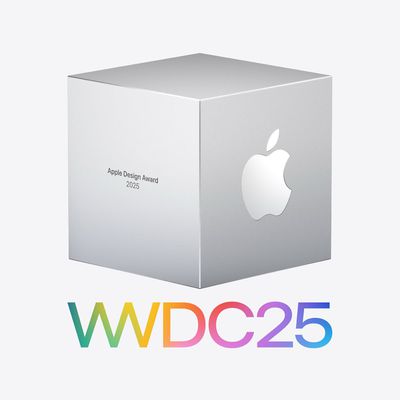
As we wait for WWDC to kick off next Monday, Apple today announced the winners of its annual Apple Design Awards, recognizing apps and games for their innovation, ingenuity, and technical achievement.
The 2025 Apple Design Award winners are listed below, with one app and one game selected per category:
Delight and Fun - CapWords (App) and Balatro (Game)
Innovation - Play (App) and PBJ -...
Apple's iPhone development roadmap runs several years into the future and the company is continually working with suppliers on several successive iPhone models at the same time, which is why we often get rumored features months ahead of launch. The iPhone 18 series is no different, and we already have a good idea of what to expect for the iPhone 18 Pro and iPhone 18 Pro Max.
One thing worth...
Popular Stories
Last year, Apple launched CarPlay Ultra, the long-awaited next-generation version of its CarPlay software system for vehicles. Nearly a year later, CarPlay Ultra is still limited to Aston Martin's latest luxury vehicles, but that should change fairly soon.
In May 2025, Apple said many other vehicle brands planned to offer CarPlay Ultra, including Hyundai, Kia, and Genesis.
CarPlay Ultra...
As we wait for WWDC to kick off next Monday, Apple today announced the winners of its annual Apple Design Awards, recognizing apps and games for their innovation, ingenuity, and technical achievement.
The 2025 Apple Design Award winners are listed below, with one app and one game selected per category:
Delight and Fun - CapWords (App) and Balatro (Game)
Innovation - Play (App) and PBJ -...
Apple's iPhone development roadmap runs several years into the future and the company is continually working with suppliers on several successive iPhone models at the same time, which is why we often get rumored features months ahead of launch. The iPhone 18 series is no different, and we already have a good idea of what to expect for the iPhone 18 Pro and iPhone 18 Pro Max.
One thing worth...