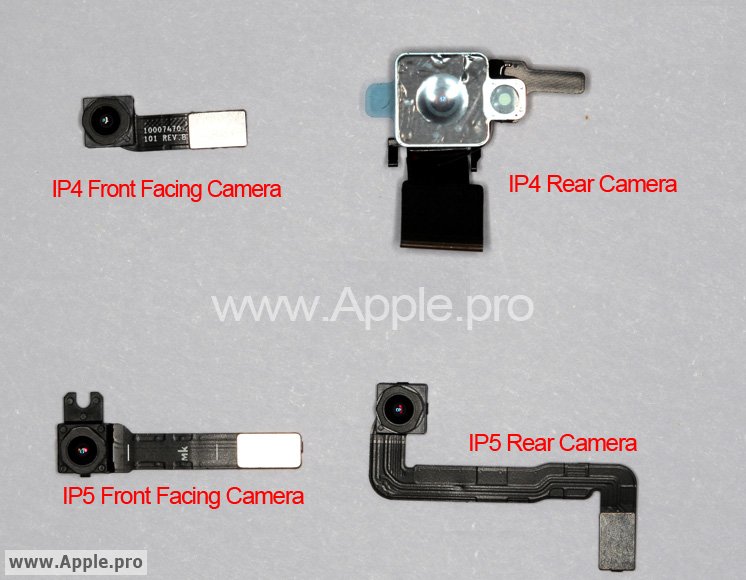
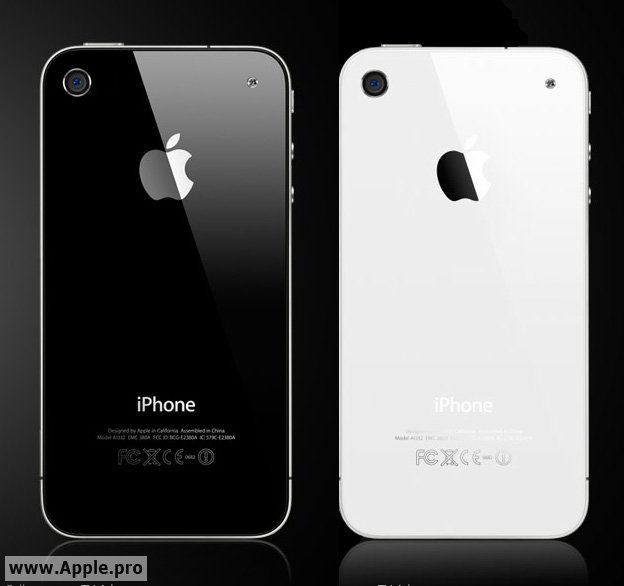
Apple.pro has posted photos comparing parts of the iPhone 5 camera components alongside the iPhone 4 camera components. (via 9to5mac) Notably, the iPhone 5 rear camera does not come with an integrated Flash attached to it. This would suggest that the case photo posted earlier today may be accurate, and that the next generation iPhone's camera flash will be located separately from the camera.
Apple.pro offers this photoshop mockup of the camera and flash in separate locations:
Sunday August 23, 2026 11:19 am PDT by Tim Hardwick
Apple's upcoming foldable iPhone Ultra is winning over the few people who have had hands-on time with the device, though the camera setup may leave some users wanting, according to Bloomberg's Mark Gurman.
Writing in his latest Power On newsletter, Gurman says people who have used the device – which is reportedly referred to internally as the iPhone Ultra – like how it fits in your...
It is now late August, meaning that Apple's annual iPhone event is just around the corner. Below, we take a look at when the event might be held this year.
This September, Apple is expected to unveil the iPhone 18 Pro, iPhone 18 Pro Max, and an all-new foldable iPhone that will reportedly be named the iPhone Ultra. The regular iPhone 18, a lower-end iPhone 18e, and the iPhone Air 2 are not...
Apple today quietly introduced updated Magic Keyboard models with revised U.S. English key labeling.
On the new keyboards, the tab, caps lock, shift, return, and delete keycaps are labeled with glyphs rather than edge text. On the full-size models with a numeric keypad, the change goes further, with the home, page up, page down, end, clear, and enter keys also swapping their text labels for...
I don't know anything about photography, but if moving the flash provides a better picture, hooray for us all.
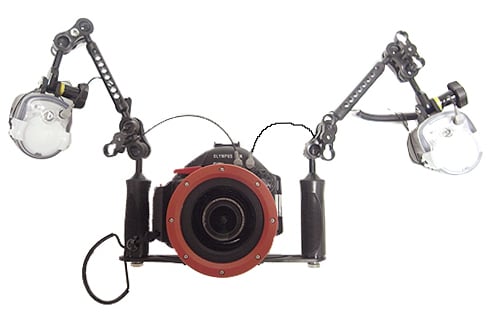
In dusty environments, it minimizes back-scatter increasing contrast and color saturation. Likewise, keeping the flash separated from the entrance pupil helps minimize red-eye.
It will increase cost since it will make a single module 2 modules and a single large hole 2 smaller holes. Might be why others don't do this and instead simply add MP. Adding MP is literally free and on these small sensors degrades IQ substantially; easily influenced spec miesters, however, don't really care.
Steve jobs on the new flash - on stage - black turtleneck..
"so our friends in the industry have been placing the flash close to the lens creating washed out photos. Well we said we can do this better. Well we've been working out butts off on this new flash - looks great - no red eye - no washed out look - we call it - iflash - isn't that great guys?"
I don't know anything about photography, but if moving the flash provides a better picture, hooray for us all.
Actually it does, the further away the flash source is from the camera, the better. That's why professional flashes are quite tall and sit high above the camera, or some professionals even use cables to be able to place the flash further away. This allows for more natural shadows, as you rarely have the sun coming from right next to your eyes.
There's nothing wrong with shadows, as they make the subject look more real and less "flat". You get a "flat" effect from flashes due to the fact that the light source is too close to the lens, thus lighting the subject from the center and creating a very thin contour with a sharp shadow, which is very unnatural.
Though the placement of the flash is still very close to the camera, it won't change much. It would need to be 20-30 cm away to for a noticeably better effect, but the iPhone isn't big enough for that :D