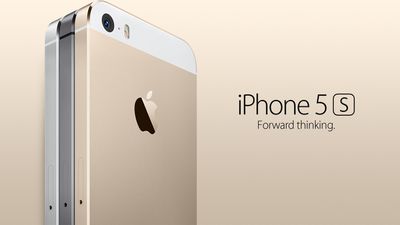
Apple this week released iOS 12.5.8, a surprise update for the iPhone 5s and iPhone 6 – devices that launched in 2013 and 2014, respectively. It's the first software these aging devices have received in three years. So why did Apple bother?
It has to do with something called certificate expiration.
According to Apple's release notes, the update extends a security certificate required for iMessage, FaceTime, and device activation to continue functioning. Without it, these features would have stopped working after January 2027.
Device activation is what allows an iPhone to be set up or restored in the first place. If the certificate in question had been allowed to expire, anyone still using an iPhone 5s or iPhone 6 would have been left with a device that couldn't be reactivated after a factory reset. It would be bricked, as they say.
Apple has committed to providing at least five years of security updates for iPhones, but the company routinely exceeds that. The iPhone 5s has now received support for 13 years, while the iPhone 6 sits at 12. Both models last saw an update in January 2023.
Apple also released new versions of iOS 18 and iOS 16 this week, offering a lifeline for the millions of older iPhones still in circulation that aren't compatible with iOS 26, which also got an update.
Update: Apple has temporarily made the updates unavailable to download as it works with telecommunications company Telstra to fix an issue preventing some older Apple devices from connecting to the Australian network.