European lawmakers have provisionally agreed upon a new law that would force Apple to allow user access to third-party app stores and permit the sideloading of apps on iPhones and iPads, among other sweeping changes designed to make the digital sector fairer and more competitive.
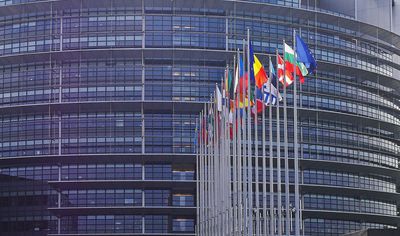
The European Council and European Parliament said on Friday they had reached a political agreement on the Digital Markets Act (DMA), which will target many of the services offered by tech giants and force them to open up to other businesses.
Today's announcement focuses on services like WhatsApp, Facebook Messenger, and iMessage, which will have to "open up and interoperate with smaller messaging platforms, if they so request," according to the EU. "Users of small or big platforms would then be able to exchange messages, send files or make video calls across messaging apps, thus giving them more choice."
Under the proposed DMA, Apple would also be forced to open up its App Store to third-party payment options instead of users having to go through Apple's own payment system – something it fought hard against in the Apple vs. Epic Games trial.
In addition, Apple would have to allow users to uninstall its Safari browser and other stock apps so that they can replace them with third-party alternatives if they so wish.
The DMA's broad scope also features several other demands that tech companies will have to abide by and which would surely impact Apple's services and platforms on multiple fronts. According to the proposed law, companies with a value of more than €75 billion ($83 billion), annual sales of €7.5 billion, and at least 45 million monthly users will meet its "gatekeeper" criteria, which comes with the following obligations and commitments.
Gatekeepers Will Have To:
- Ensure that users have the right to unsubscribe from core platform services under similar conditions to subscription.
- For the the most important software (e.g. web browsers), not require this software by default upon installation of the operating system.
- Ensure the interoperability of their instant messaging services' basic functionalities.
- Allow app developers fair access to the supplementary functionalities of smartphones (e.g. NFC chip).
- Give sellers access to their marketing or advertising performance data on the platform.
- Inform the European Commission of their acquisitions and mergers.
But They Can No Longer:
- Rank their own products or services higher than those of others (self-preferencing).
- Reuse private data collected during a service for the purposes of another service.
- Establish unfair conditions for business users.
- Pre-install certain software applications.
- Require app developers to use certain services (e.g. payment systems or identity providers) in order to be listed in app stores.
According to the DMA, if a gatekeeper violates the rules laid down in the legislation, it risks a fine of up to 10% of its total global turnover. For a repeat offense, a fine of up to 20% of its global turnover may be imposed.
If a gatekeeper systematically fails to comply with the DMA (or violates the rules at least three times in eight years), the European Commission can open a market investigation and impose "behavioral or structural remedies."
The European Union has had to impose record fines over the past 10 years for certain harmful business practices by very large digital players," said Cédric O, French Minister of State with responsibility for digital. "The DMA will directly ban these practices and create a fairer and more competitive economic space for new players and European businesses. These rules are key to stimulating and unlocking digital markets, enhancing consumer choice, enabling better value sharing in the digital economy and boosting innovation. The European Union is the first to take such decisive action in this regard and I hope that others will join us soon."
The wording of the legislation has yet to be finalized, but once the language is in place, the European Parliament and the Council will need to approve it. The regulation must be implemented within six months after its entry into force. Digital competition chief Margrethe Vestager said today that she expected the DMA to come into force "sometime in October."
Should the Digital Markets Act go on to become law, Apple will have to make major changes to its iPhone and iPad platform to accommodate the requirement to allow for non-App Store apps. Apple said it was "concerned that some provisions of the DMA will create unnecessary privacy and security vulnerabilities for our users."
Apple is also facing similar legislation in the United States, with U.S. House lawmakers in June introducing antitrust bills that would result in major changes to the tech industry if passed.
Note: Due to the political or social nature of the discussion regarding this topic, the discussion thread is located in our Political News forum. All forum members and site visitors are welcome to read and follow the thread, but posting is limited to forum members with at least 100 posts.