2022 iPhones and Macs May Feature 3nm Chips - MacRumors
Skip to Content

2022 iPhones and Macs May Feature 3nm Chips

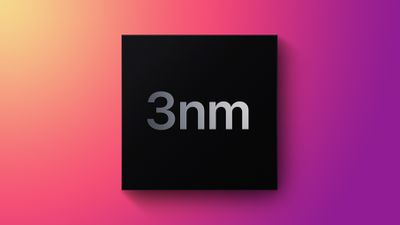
The 2022 iPhones and Macs may feature chips built on the 3nm process, as Apple's leading chip supplier, TSMC, is planning to begin mass production for ‌3nm‌ chips destined for Apple in the second half of next year, according to a preview of an upcoming report by DigiTimes.
3nm apple silicon feature
The paywalled preview of the full report, which will be published tomorrow, reads:

TSMC is on track to move its 3nm process technology to volume production in the second half of 2022 for Apple's devices, either iPhones or Mac computers, according to industry sources.

Earlier in June, TSMC was reportedly beefing up capacity to begin production of 3nm chips, but ‌DigiTimes‌ at the time refrained from mentioning Apple as a potential initial beneficiary of the new process. Today's preview directly means that just two years after unveiling chips based on the 5nm process, Apple may plan to make a direct jump to ‌3nm‌ as soon as next year.

Apple has already reportedly booked TSMC's entire production capacity for 4nm chips for Apple silicon Macs. That report, however, has no timeline as to when Macs with 4nm chips may debut.

The A14 Bionic chip, first introduced in an updated iPad Air and later put into the iPhone 12 series, is built on the 5nm process. Compared to earlier processes, the smaller architecture provides improved performance and increased energy efficiency. For this year's iPhone, Apple will use an enhanced version of the 5nm process.

The full report tomorrow is likely to offer more color surrounding Apple's plan to roll out chips built on the ‌3nm‌ process. We'll be sure to let MacRumors' readers know if the new report shares anything of significance.

Related Forum: iPhone

Popular Stories

Apple MacBook Pro M4 hero

Apple Bracing Display Supply Chain for Wave of New OLED Devices

Tuesday March 24, 2026 5:38 am PDT by
Apple is moving more decisively to reduce its reliance on Chinese manufacturers ahead of the launch of a wave of new products with OLED panels, DigiTimes reports. Apple has apparently accelerated efforts to diversify its OLED sourcing away from Chinese suppliers such as BOE, which have historically played an important role in the company's display supply chain. The impact on BOE has already...
iphone fold text

iPhone Fold Production Pushed Back, But Fall 2026 Launch Still on Track

Monday April 13, 2026 1:44 pm PDT by
Production on the iPhone Fold is behind schedule, but the device is still slated to launch in fall 2026, reports DigiTimes. The site says that production has been pushed back by "roughly one to two months," but Apple has not communicated any launch delays to suppliers. Apple is still planning for a 2026 launch, which suggests a tighter production schedule. Apple planned to begin iPhone Fold...
macOS 27 on MacBook Pro

macOS 27 Will Mark the End of an Era

Saturday April 18, 2026 6:45 am PDT by
During its Platforms State of the Union segment at WWDC 2025, Apple revealed that macOS 26 Tahoe is the final major macOS version for Intel-based Macs. The upcoming macOS 27 release will be compatible with Apple silicon Macs only, meaning that you will need a Mac with an M-series chip or a MacBook Neo with an A18 Pro chip in order to install the software update. macOS 27 should be available...

Top Rated Comments

sniffies Avatar
61 months ago
Basically speaking,

2022 iPhones and Macs will be better than 2021 iPhones and Macs
Score: 11 Votes (Like | Disagree)
mongobongo Avatar
61 months ago
You should probably know that:

“The term "3 nanometer" has no relation to any actual physical feature (such as gate length, metal pitch or gate pitch) of the transistors. It is a commercial or marketing term used by the chip fabrication industry to refer to a new, improved generation of silicon semiconductor chips in terms of increased transistor density, increased speed and reduced power consumption.”

https://en.wikipedia.org/wiki/3_nm_process
Score: 10 Votes (Like | Disagree)
61 months ago

So.. where does it end? 1nm? .5nm? It never ends?
I’m not sure will we ever have 1nm physical dimension transistor using current tech. 3nm manufacturer BS is already very problematic. At those levels (5nm and bellow) quantum effects are very problematic. There is a “way around” and is called GAA - gate all around. GAA will be first used by Samsung, then Intel while TSMC still stays on FinFET. Next step will be nano-sheet and nano-wire GAA transistors.

At physical 1nm are enormous problems. Si atoms are 0.2 - 0.3 nm in diameter what means whole transistor will be 3 - 4 atoms what’s impossible cause MOSFET consists of Drain, Source and channel between. So, each will be single atom.
Score: 7 Votes (Like | Disagree)
macintoshmac Avatar
61 months ago
I’m waiting for 0nm.
Score: 4 Votes (Like | Disagree)
61 months ago
So long as this enables apple to make thinner computers, particularly desktops, I'll be happy.
Score: 4 Votes (Like | Disagree)
TheYayAreaLiving 🎗️ Avatar
61 months ago

So long as this enables apple to make thinner computers, particularly desktops, I'll be happy.
Mac's are already thin enough though.
Score: 3 Votes (Like | Disagree)